




Understanding Dengue Fever: Symptoms, Prevention, and the Growing Global Threat

For decades, dengue was primarily considered a concern for travelers visiting tropical and subtropical regions. Today, shifting climate patterns and global travel have expanded the reach of the mosquitoes that carry the virus, bringing the threat closer to home for millions. With local transmissions recently reported in places like Florida, Texas, and Southern Europe, understanding the risks of dengue fever is more important than ever for public health and personal safety.
Here is a comprehensive guide to what this virus is, how to spot the symptoms, and the most effective ways to protect yourself and your family.
The Culprits Behind the Virus
Dengue is a viral infection transmitted to humans through the bite of infected mosquitoes. The primary vectors are the Aedes aegypti and Aedes albopictus mosquitoes. These are the same species responsible for spreading Zika, chikungunya, and yellow fever.
Unlike many other mosquito species that bite primarily at dusk or dawn, Aedes mosquitoes are aggressive daytime biters. They thrive in urban environments and breed in small amounts of standing water, such as birdbaths, discarded tires, and even bottle caps.
Recognizing the Symptoms
According to the Centers for Disease Control and Prevention (CDC), about one in four people infected with dengue will get sick. For those who do develop symptoms, they typically begin four to ten days after the mosquito bite.
Common symptoms include:
A sudden, high fever (often up to 104°F or 40°C)
Severe headache and pain behind the eyes
Intense joint, bone, and muscle pain (which is why it is historically nicknamed "breakbone fever")
Nausea and vomiting
A widespread skin rash
Most people recover within a week. However, in about 1 in 20 cases, the disease progresses to severe dengue (also known as Dengue Hemorrhagic Fever), a life-threatening medical emergency characterized by plasma leaking, fluid accumulation, respiratory distress, severe bleeding, or organ impairment.
Real-World Case Study: The Traveler's Misstep
Consider the real-world scenario of a 35-year-old tourist returning to the United States after a two-week vacation in the Caribbean. Three days after returning, they develop a sudden high fever and severe muscle aches. Assuming it is a severe case of the flu, the patient takes ibuprofen to manage the pain and fever.
This is a critical misstep. Because dengue fever can lower platelet counts and increase bleeding risks, taking non-steroidal anti-inflammatory drugs (NSAIDs) like ibuprofen or aspirin can trigger dangerous internal bleeding. When the patient eventually visits an urgent care clinic, the doctor immediately advises switching to acetaminophen (Tylenol) for fever control and orders a blood test, which confirms a dengue infection. This case highlights why proper diagnosis and avoiding NSAIDs are crucial when dengue is a possibility.
Treatment and Care
There is no specific antiviral medicine to treat a dengue infection. If you suspect you have it, healthcare professionals recommend the following supportive care steps:
Rest abundantly: Your body needs energy to fight off the virus.
Stay hydrated: Drink plenty of water or electrolyte solutions to prevent dehydration from fever and vomiting.
Manage fever safely: Use acetaminophen for pain and fever relief. Strictly avoid aspirin, ibuprofen, and naproxen sodium.
Monitor for warning signs: If you develop severe abdominal pain, persistent vomiting, bleeding gums, or extreme fatigue within 24–48 hours after your fever breaks, seek emergency medical care immediately, as this indicates a shift toward severe dengue.
How to Protect Yourself
Because the virus is vector-borne, the absolute best way to prevent the disease is to avoid mosquito bites and reduce mosquito populations around your home. The World Health Organization (WHO) emphasizes vector control as the most effective prevention strategy.
Follow these primary defense measures:
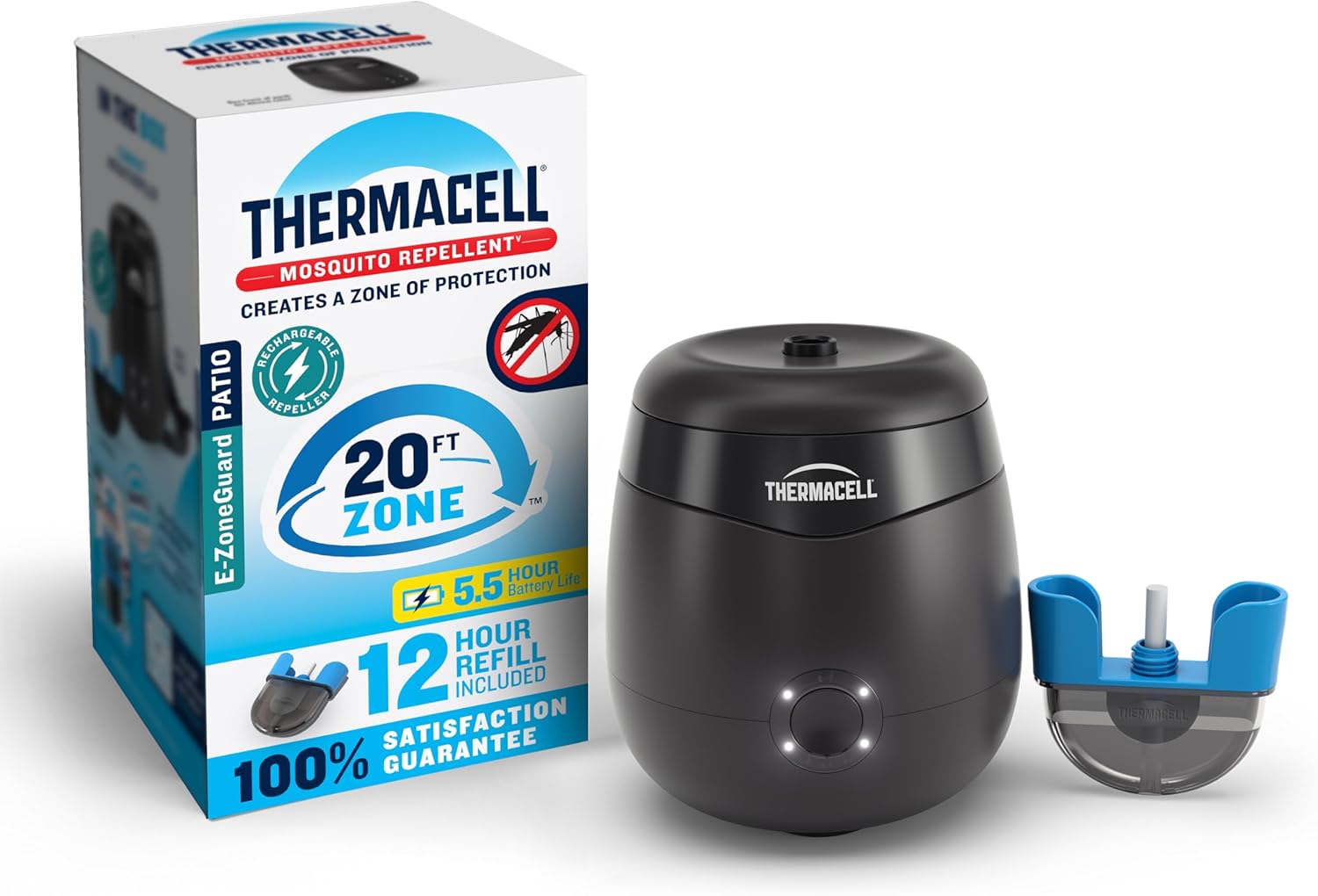
Use effective repellents: Apply insect repellents containing DEET, Picaridin, IR3535, or Oil of Lemon Eucalyptus (OLE) to exposed skin.
Dress protectively: Wear loose-fitting, long-sleeved shirts and long pants when outdoors, especially in known outbreak areas.
Mosquito-proof your home: Ensure that window and door screens are intact and free of holes. Use air conditioning when available.
Eliminate breeding grounds: Once a week, empty, scrub, turn over, cover, or throw out items that hold water, such as tires, buckets, planters, toys, pools, birdbaths, and trash containers.
As climate zones shift and global travel remains highly accessible, dengue is a disease that requires widespread awareness. By understanding how to prevent mosquito bites and recognizing the early signs of infection, you can keep yourself and your community safe.
Sources
Centers for Disease Control and Prevention (CDC)
World Health Organization (WHO)

LuckeLadybug
Noticias
Navigating the Cultural and Coastal Wonders of Los Angeles


