




Master Your Morning Extraction: How Modern Coffee Brewers Shape Your Perfect Cup

The quest for the ultimate morning cup often begins and ends with the equipment sitting on your kitchen counter. Understanding how different coffee brewers extract flavor can transform a bitter daily routine into a precise craft.
Every brewing method relies on thermal dynamics, extraction time, and water distribution to unlock compounds locked inside roasted beans. When water meets coffee grounds, soluble flavors dissolve at different rates, making temperature and contact time vital variables. According to the National Coffee Association, water temperature between 195°F and 205°F is essential for optimal extraction during brewing.
Different devices alter the extraction physics, creating distinct flavor profiles in your mug. Pour-over cones emphasize bright clarity, while immersion systems yield a heavy, full-bodied cup.
Understanding Extraction Mechanics
Water acts as a solvent, pulling oils, acids, and sugars from the cellular structure of the bean. If water passes through too quickly, the resulting beverage tastes sour and underdeveloped. Conversely, over-extraction yields astringent, bitter flavors that mask the bean's origin characteristics.
Modern specialty coffee research highlights several critical factors for consistent extraction:
Water temperature stability throughout the entire brewing cycle.
Uniform particle size distribution from your grinder.
Proper saturation ratio between dry grounds and liquid volume.
Comparing Popular Brewing Technologies
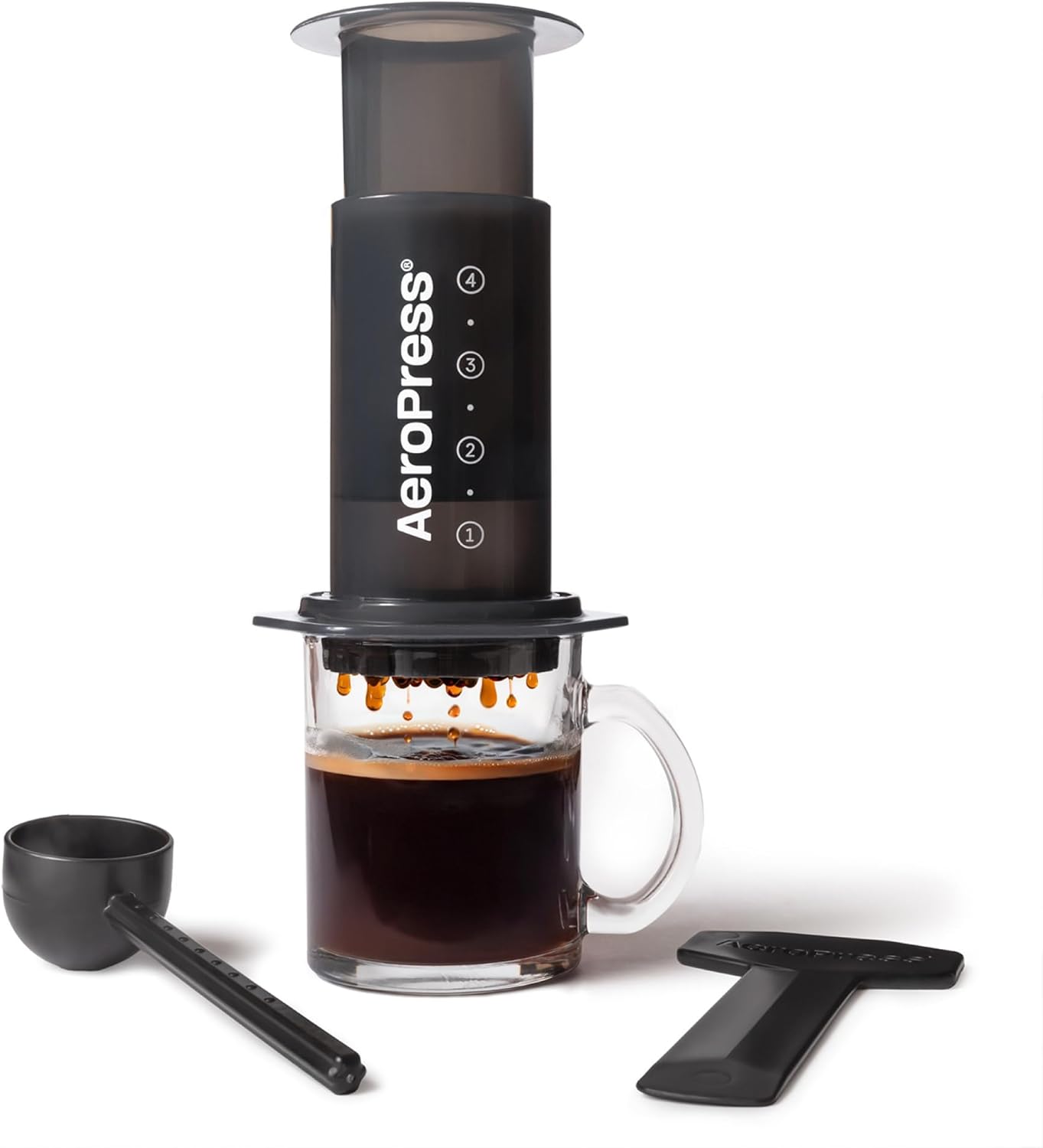
Choosing the right device depends entirely on your flavor preferences and morning routine. Pour-over systems require manual pouring control, giving you absolute mastery over extraction time and turbulence. Automatic drip machines offer consistency and convenience, utilizing preset spray heads to mimic manual technique.
Immersion brewers like French presses steep grounds completely before filtration, resulting in heavy body and rich mouthfeel. Meanwhile, vacuum pots use vapor pressure and suction to produce a remarkably clean yet intensely aromatic cup.
Real-World Case Study: Specialty Cafes Versus Home Kitchens
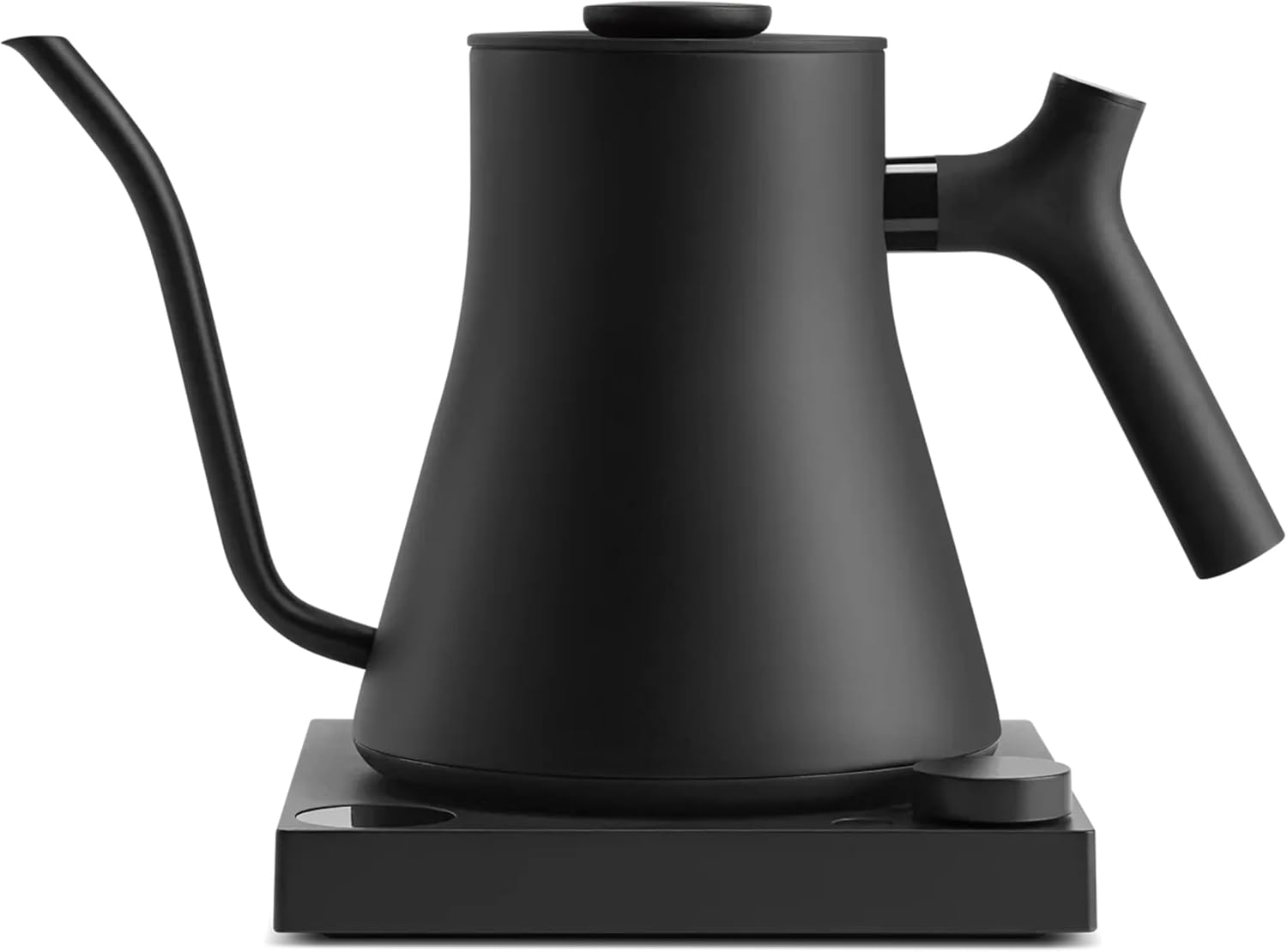
Commercial coffee shops achieve exceptional consistency through advanced thermal control and precise water-weight ratios. Home enthusiasts can replicate these professional standards by investing in digital scales and temperature-controlled kettles. A local cafe study in Seattle demonstrated that stabilizing water temperature reduced extraction variance by nearly fifteen percent across daily shifts.
Applying these precise measurement habits at home bridges the gap between casual routine and artisan quality. Small adjustments to grind size and water weight yield massive improvements in flavor clarity.
Optimizing Your Daily Routine
Mastering your daily brew requires systematic record-keeping and minor iterative adjustments. Track your coffee-to-water ratios, extraction times, and tasting notes to dial in your preferred profile. As noted by the Specialty Coffee Association, standardization is the bedrock of repeatable culinary excellence.
Treat your morning ritual as an evolving experiment rather than a mundane chore. Focus on one variable at a time, such as grind size or water temperature, to see how it alters the final cup.
Sources
National Coffee Association
Specialty Coffee Association
Edit directly or with Gemini
Click anywhere to type and edit directly, or select text to prompt Gemini for changes.
LuckeLadybug
Noticias
The Rapid Rise of Ethan Salas: What Makes the Young Catcher a Historic Baseball Phenom


