

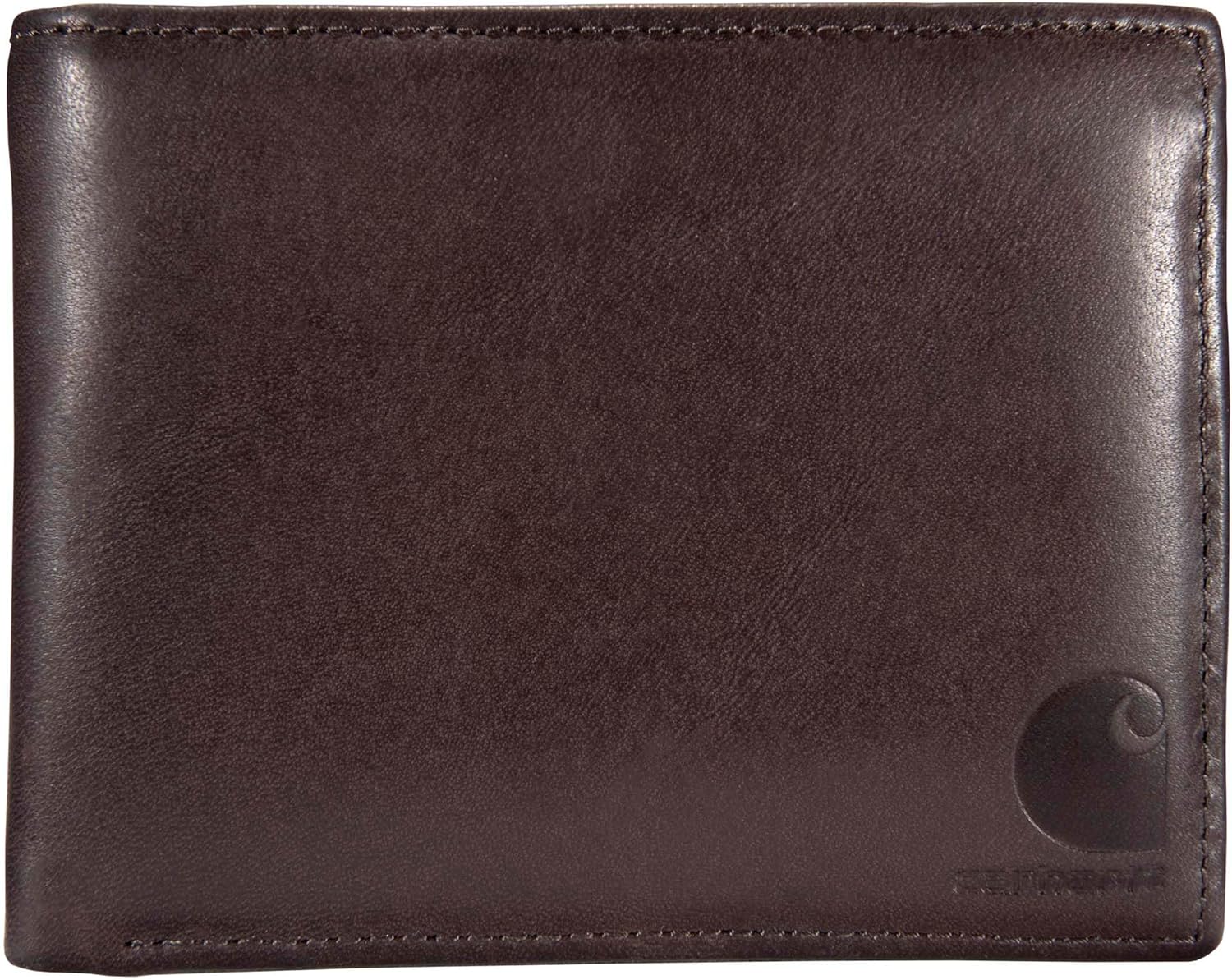


Navigating Everyday Carry: How Modern Consumers Choose and Maintain Wallets

Wallets
This article explores Wallets, including its background, practical context, and real-world significance.
Selecting the right daily accessory for cards, cash, and identification requires balancing physical comfort, material durability, and changing security requirements. Overstuffed billfolds frequently contribute to lower back strain when carried in rear trouser pockets, prompting a widespread shift toward minimalist layouts, structured cardholders, and compact accessories. Understanding the engineering, structural materials, and real-world utility of personal carry items ensures a more ergonomic and secure daily routine.
Material Durability and Construction Standards
The longevity of a daily carry accessory depends heavily on its core fabrication. Full-grain and top-grain leathers remain popular for their ability to develop a unique patina over time while handling environmental stress. Conversely, modern technical options incorporate carbon fiber, aircraft-grade aluminum, or high-performance textiles like Tyvek to minimize weight.
Bull Guard
+ 1
Full-Grain Leather: Retains the natural outer layer of hide, offering maximum tensile strength and resistance to moisture.
Polyurethane (PU) and Synthetic Blends: Frequently utilized in compact specialty designs, such as the Kawaii Cute Small PU Leather Wallet and Coin Purse for Women, which provides a smooth, uniform texture while maintaining an easily manageable lightweight footprint for coins and folded notes.
Anodized Metals: Rigid card cases utilize spring-loaded mechanisms or elastic bands to secure cards tightly within an ultra-thin profile, preventing contents from warping or slipping out during transit.
Ergonomics and Health Implications
Carrying bulky storage items in a back pocket introduces spinal misalignment due to uneven seating pressure. Physical therapists and ergonomics researchers note that transitioning to a slim profile or shifting storage to a front pocket alleviates chronic pressure on the sciatic nerve.
The Front-Pocket Shift: Slimmer accessories encourage users to audit their daily carry, eliminating redundant loyalty cards, expired identification, and unnecessary paper receipts.
Weight Distribution: Distributing coins, keys, and cards across specialized compact compartments—such as pairing a dedicated card sleeve with a small zippered coin pouch—prevents localized bulging and premature wear on clothing seams.
Security Considerations: Evaluating Modern Protections
Consumer protection agencies and independent testing organizations have evaluated various claims regarding wireless data skimming and passive signal protection. While contactless payment cards rely on secure Near Field Communication (NFC) protocols that require close proximity for transactions, consumers often look for physical safeguards to protect sensitive data on passport cards and high-frequency transit passes.
nfc tag
Passive Signal Interruption: Metallic linings and carbon-fiber plates create a localized Faraday effect to obstruct unauthorized wireless scanning.
Physical Closure Security: Snaps, magnetic clasps, and secure zippers prevent accidental spills, ensuring that loose items like coins, memory cards, or emergency keys remain enclosed during travel.
Evaluating personal requirements—such as daily card capacity, pocket placement, and preferred closure mechanisms—transforms an everyday carry item from a simple utility into an optimized tool for personal organization and comfort.
Sources
Consumer Reports Digital Wallet Evaluations
Consumer Reports
Wirecutter Wallet Guide & Testing Methodology
LuckeLadybug
Noticias
Analyzing the Tactical Dynamics of Lecce vs Roma in Serie A


