




How to Choose Lingerie for Better Sleep: The Science of Nightwear Fabrics, Fit, and Elegance

Finding bedtime garments that balance personal style with true physical comfort often feels like an impossible trade-off. Choosing thoughtful evening wear can transform your nightly rest by supporting the body's natural temperature regulation and eliminating sleep disruptions.
Why Evening Garment Design Impacts Thermal Comfort
During sleep, your body naturally lowers its core temperature to initiate and maintain deep sleep cycles. According to research highlighted by the Sleep Foundation, proper thermal regulation during the night reduces frequent awakenings and improves sleep efficiency. When garments trap excess heat or moisture, they disrupt these crucial biological cycles.
Heavy, restrictive sleepwear often leads to night sweats and restricted movement. By contrast, open-necked silhouettes and lightweight textiles allow continuous airflow across skin surfaces. Prioritizing fluid shapes ensures your body stays cool without sacrificing coverage or visual charm.
The Anatomy of an Ideal Chemise Nightgown
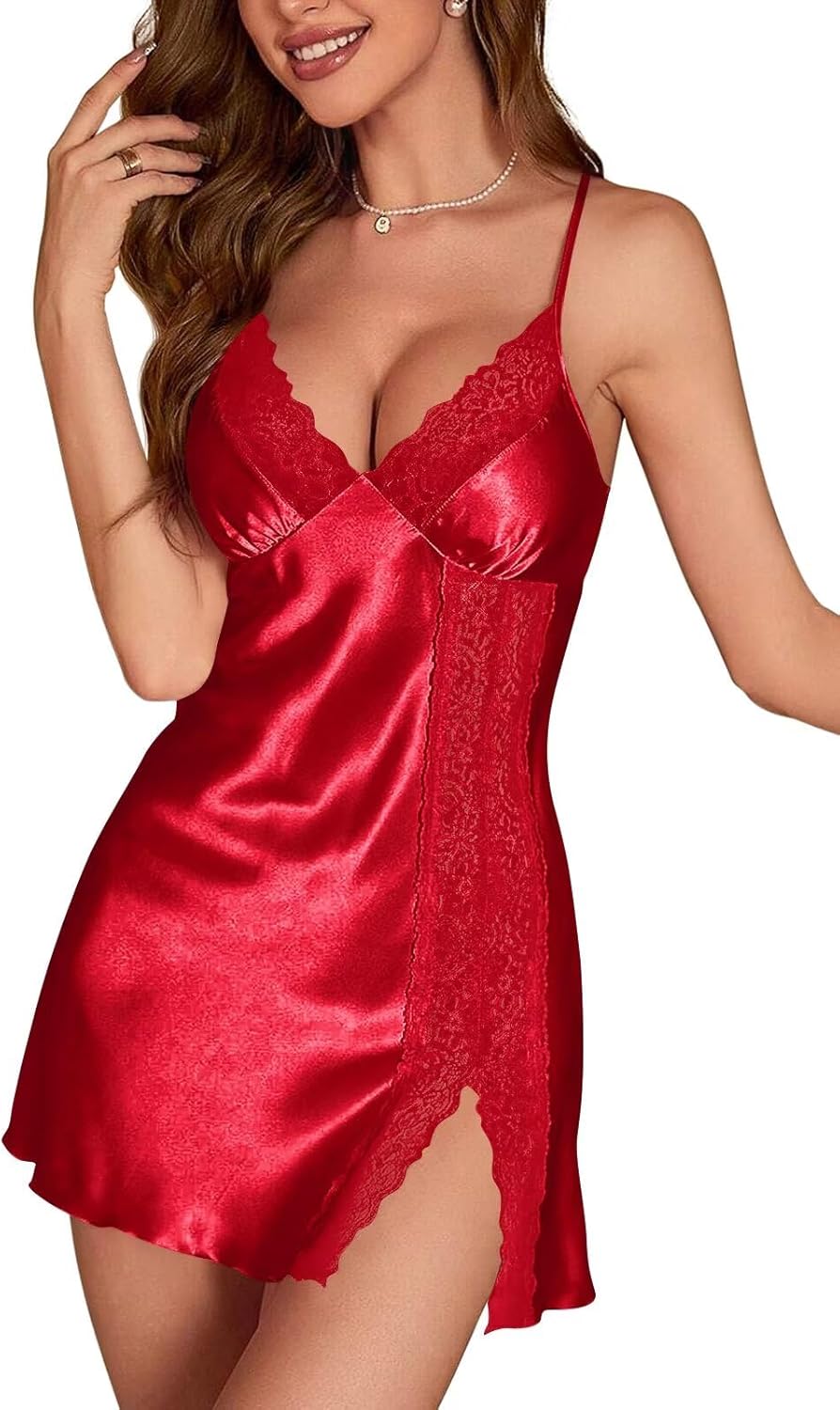
A well-constructed nightpiece balances aesthetic details with practical functional design. For example, a lace trim V - neck chemise nightgown with side split combines visual sophistication with unrestricted physical mobility. The deep neckline prevents heat accumulation around the chest, while side slits eliminate fabric binding across the legs as you move.
To appreciate how structural elements influence nighttime wear, consider these key features:
V-Neckline Construction: Enhances heat dissipation around sensitive chest skin while framing the neck naturally.
Side Split Hemline: Allows completely free leg movement during sleep position changes without pulling or bunching.
Delicate Lace Detailing: Adds tactile interest and timeless allure along delicate necklines and borders.
Real-World Example: Overcoming Sleep Disturbance Through Design
Consider the experience of Elena, a 34-year-old remote consultant who struggled with restless sleep during warm seasons. She frequently woke up bound by twisted pajama pants and heavy cotton tops that retained trapped heat.
After transitioning to a soft, breathable lace-trimmed chemise featuring a deep V-neck and a high side split, her nighttime disruptions dropped significantly. The unrestricted hemline allowed effortless turning throughout the night, while the open neckline supported natural body cooling. Her daily sleep tracking showed longer periods of uninterrupted deep rest simply by altering garment ergonomics.
Choosing Dermatologist-Approved Fabrics and Styles
Your skin remains in direct contact with sleep fabrics for seven to eight hours every night. Dermatological experts at Cleveland Clinic Health Essentials note that gentle, smooth fabrics reduce skin friction, preventing chafing and irritation. Avoiding heavy elastic bands or coarse hardware ensures undisturbed micro-circulation while resting.
When selecting garments for your nightly Lingerie collection, keep these principles in mind:
Select Breathable Blends: Prioritize modal, silk, or lightweight combed knits that wick moisture effectively.
Inspect Seam Integrity: Ensure inner stitching around lace trimming is flat and smooth to avoid skin friction.
Verify Movement Freedom: Opt for side splits or fluid draping that moves with your body during active REM cycles.
Key Takeaways for Elevating Your Evening Collection
Elevating your nightly wardrobe does not require choosing between elegance and physical ease. When curated with care, high-quality Lingerie works as both functional sleepwear and an empowering expression of self-care. Invest in versatile pieces that celebrate personal confidence while supporting your body's natural sleep hygiene.
Sources
Sleep Foundation
Cleveland Clinic Health Essentials
LuckeLadybug
Noticias
Navigating Career Longevity and Personal Growth: Lessons from Henry Winkler


