

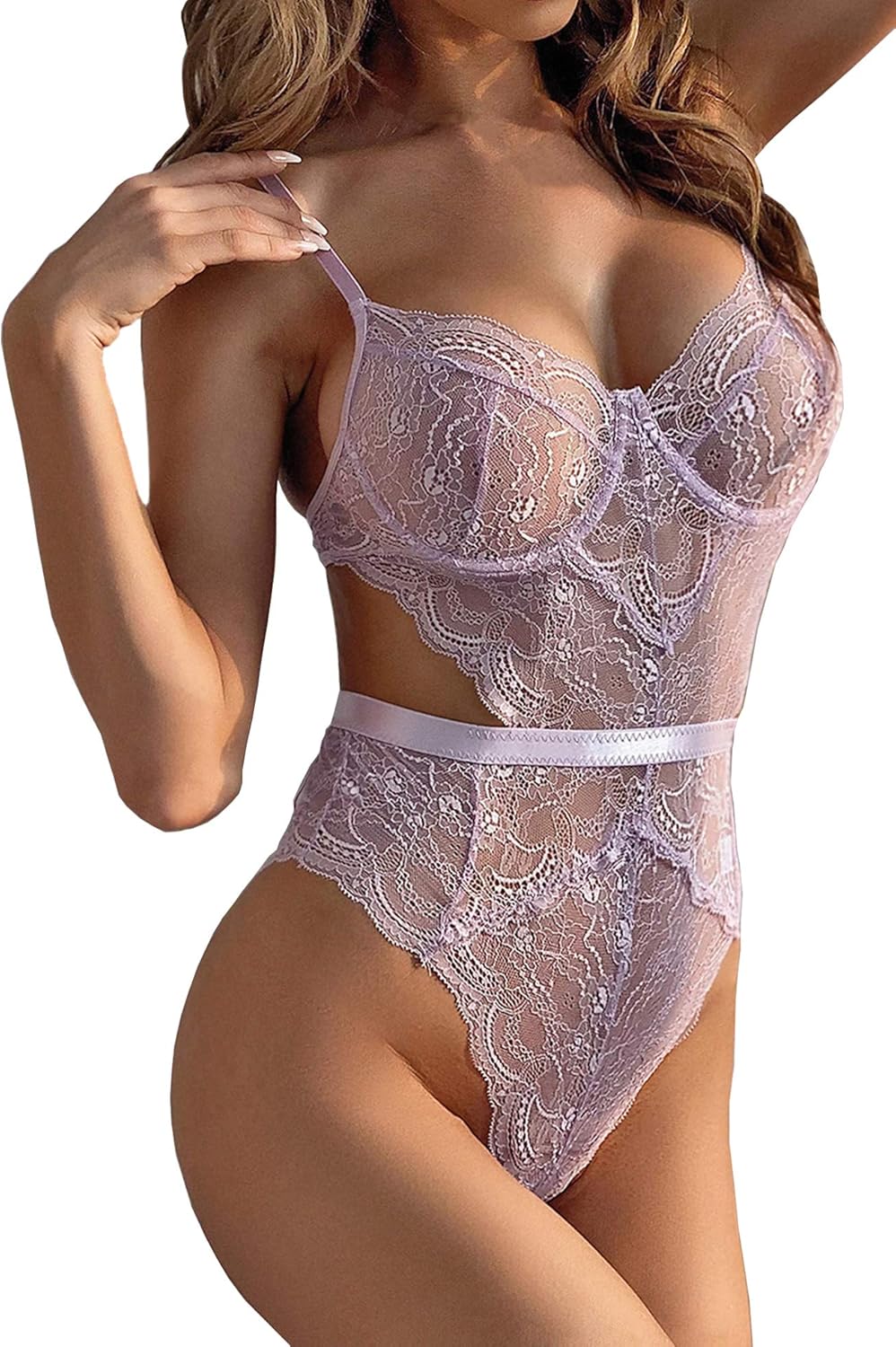


Decoding Lingerie: How Design Details Shape Comfort and Silhouette

Finding garments that balance intricate artistry with personal comfort transforms how innerwear feels against your skin. Understanding the architecture of modern intimate apparel empowers you to choose pieces that support both aesthetic preferences and physical ease.
The Anatomy of Intimate Design
Garment construction relies on specific structural choices that dictate both look and feel. Deconstructing these elements helps clarify why certain cuts behave differently during wear.
Silhouettes and Cuts: Deep necklines, such as a deep V design seen in styles like the Womens Deep V Sheer Lingerie, elongate the torso and alter the visual proportions of a garment.
Textiles and Fabrics: Sheer netting, lace, and stretch meshes offer varying degrees of breathability and tactile contrast.
Decorative Hardware: Bows, hollow-out cutouts, and perspective panels add visual depth without altering the core structural fit.
Fabric Selection and Skin Health
Material choice dictates skin compatibility, moisture management, and overall durability. Natural fibers and advanced synthetics each serve distinct functional purposes in apparel engineering.
Breathability: Lightweight meshes allow for continuous airflow, reducing heat retention during extended wear.
Elasticity: Elastane blends provide necessary tension retention, ensuring the garment moves dynamically with the body.
Sensitivity: Soft-edge trims prevent chafing against sensitive areas, prioritizing comfort alongside visual appeal.
Evaluating Construction Quality
Examining stitching density and seam placement reveals the longevity of a delicate garment. High-grade intimate wear utilizes reinforced stress points to maintain structural integrity through regular cycles of use and gentle laundering. Proper care instructions, typically found on manufacturer labels, safeguard delicate threads and preserve fabric elasticity over time.
Sources
Vogue Fashion Encyclopedia
LuckeLadybug
Noticias
Navigating the Evolution of AI Efficiency with DeepSeek V4.1 Flash


