



Crossbodys: Navigating Daily Posture and Movement: The Intersection of Ergonomic Accessories and Functional Attire

Maintaining structural alignment during daily movement requires a thoughtful approach to both personal accessories and apparel. Whether transitioning between active environments, running routine errands, or practicing dynamic movement arts, the gear chosen directly influences physical comfort and posture. Evaluating how everyday items interact with the musculoskeletal system helps prevent long-term strain, supporting a balanced and injury-free lifestyle.
The Biomechanics of Load Distribution
Carrying personal items throughout the day places physical demands on the spine, shoulders, and core musculature. Traditional shoulder bags and heavy totes frequently force the body into asymmetrical compensation patterns, causing the trapezius muscles to over-activate on one side.
PMC - NIH
+ 1
To minimize spinal stress, many individuals opt for well-designed Crossbodys. These accessories distribute weight more diagonally across the torso compared to standard single-shoulder purses, helping maintain a more neutral center of gravity when adjusted properly.
PMC - NIH
+ 1
Strap Placement: Position the strap snugly across the center of the chest rather than slipping off the outer shoulder.
Load Management: Keep the total weight minimal to prevent the lower back from arching backward to compensate for the front or side pull.
Alternating Sides: Periodically switching the side of the body carrying the load reduces repetitive strain on localized muscle groups.
PMC - NIH
For deeper insights into musculoskeletal health and the impact of weight distribution, review resources provided by organizations like the American Chiropractic Association.
The Role of Functional Form-Fitting Apparel
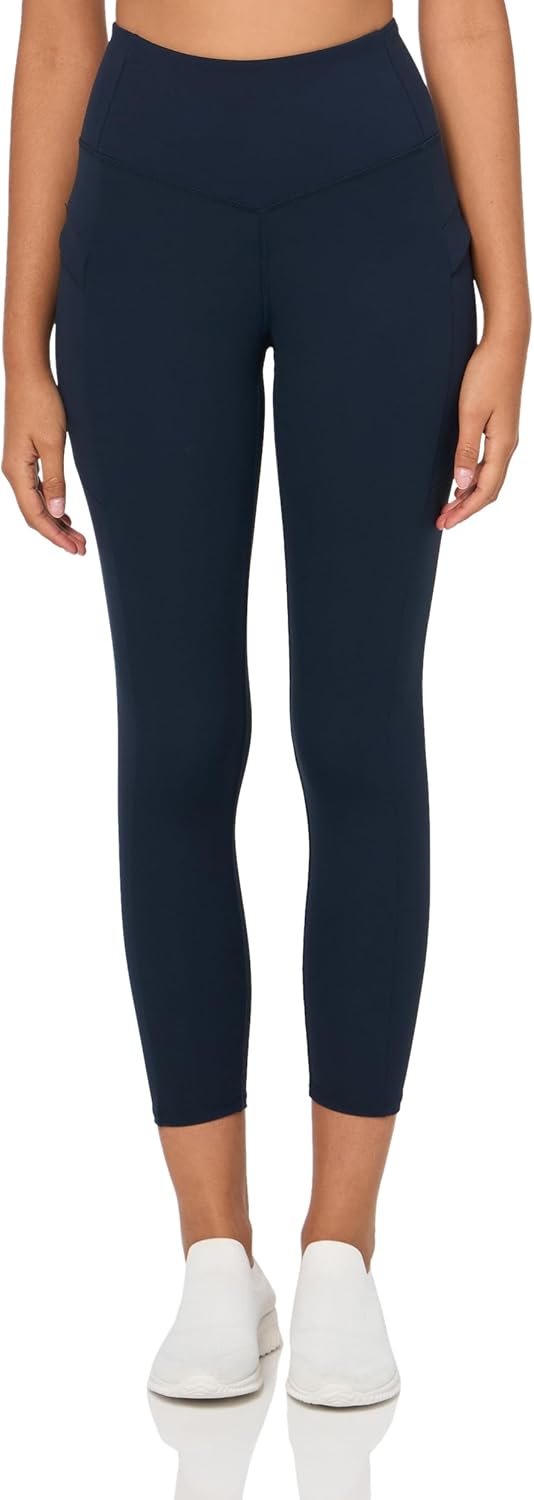
Just as accessory placement affects posture, the clothing worn during physical movement dictates flexibility, muscle engagement, and comfort. In disciplines that demand total freedom of movement—such as contemporary dance, ballet, or intensive conditioning—apparel acts as a second skin.
dancewearfashion.com
Consider the design framework behind specialized garments like a traditional ballet dance leotard. Typically crafted in versatile palettes spanning classic neutrals and expressive tones (such as pink, black, jade, and gray), these pieces are engineered to hug the body closely. This close fit serves a distinct ergonomic purpose:
Dancewear Centre
Visual Feedback: Instructors and practitioners can observe alignment in real-time, checking spine neutrality, pelvic tilt, and shoulder placement.
Friction Reduction: Seamless or streamlined cuts eliminate excess fabric bunching, reducing skin irritation during repetitive stretching and leaping.
Unrestricted Range of Motion: High-stretch textiles accommodate extreme extension without pulling or shifting out of place.
dancewearfashion.com
Additional guidance on physical alignment and athletic conditioning can be found through the International Association for Dance Medicine & Science.
Creating a Balanced Daily Routine
Integrating ergonomic principles into daily life involves evaluating both what you carry and what you wear. By pairing balanced carrying habits with form-fitting, supportive attire, the body experiences less mechanical stress and better overall alignment. Prioritizing these intentional choices fosters greater endurance, comfort, and physical longevity.
Sources
American Chiropractic Association
International Association for Dance Medicine & Science
LuckeLadybug
Noticias
Why Mindful Living and Modern Wellness Habits Start in La and Beyond


