



Chef's knife: Mastering Culinary Steel: How Hand-Forged Blades Transform Precision Cooking

The secret to effortless meal preparation isn't just advanced culinary skill, but understanding how specialized metallurgy transforms raw ingredients into a fine dining experience. Whether you are breaking down poultry or slicing delicate proteins, choosing the right edge changes the entire kitchen workflow.
The Anatomy of Forged Full-Tang Blades
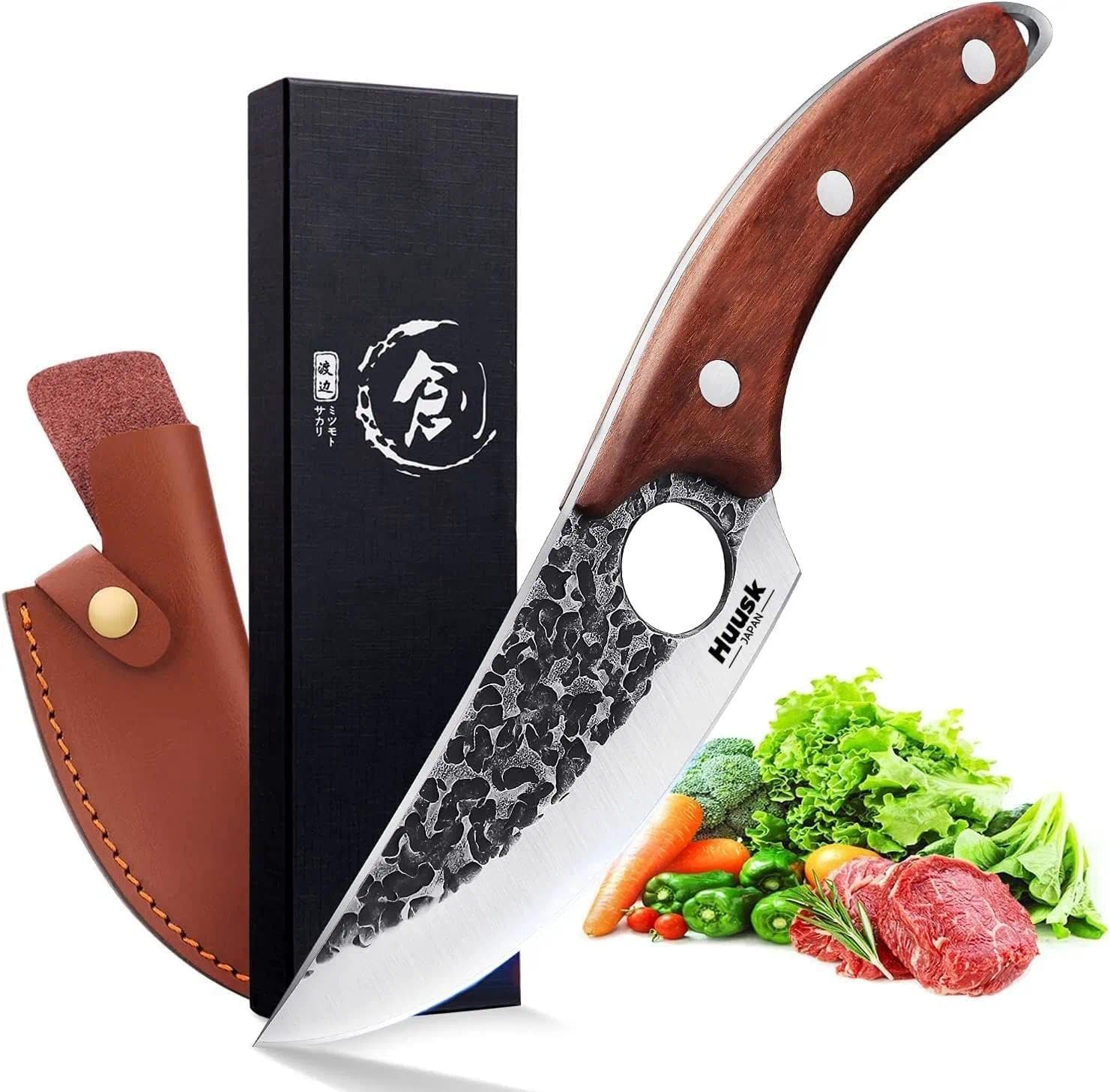
Hand-forged blades offer exceptional durability because the steel is heated and hammered into shape, aligning the crystalline structure for maximum resilience. Full-tang construction means the metal extends continuously from the tip of the blade to the end of the handle, ensuring balanced weight distribution. This structural integrity prevents wobbling during heavy-duty tasks like butchering or cleaving dense connective tissue.
- Superior Balance: Full-tang designs provide a natural pivot point near the bolster, reducing hand fatigue during extended prep sessions.
- Edge Retention: Hand-forged carbon steel or high-alloy stainless steel holds a razor-sharp edge significantly longer than stamped alternatives.
- Robust Safety: A continuous steel spine ensures the blade will not snap under high-pressure cutting forces.
Choosing the Right Tool for Precision Tasks
While a versatile chef's knife handles eighty percent of general kitchen prep, specialized tasks require purpose-built geometry. For instance, a hand-forged boning knife or butcher cleaver features a curved, narrow profile designed to navigate tight joints and slice cleanly along bone structures. Matching the blade profile to the specific task minimizes waste and protects your primary cutting edges from unnecessary wear.
- Boning and Slicing: Narrow, flexible or semi-rigid tips maneuver smoothly around cartilage and skin.
- Cleaving and Butchering: Heavier, thicker spines deliver localized momentum for splitting dense meat and poultry joints.
- General Prep: Broader bellies allow for a rocking motion on cutting boards for herbs and vegetables.
Proper Maintenance and Sharpening Rituals
Maintaining a hand-forged kitchen tool requires consistent care to preserve both the edge geometry and the metal's finish. Hand washing immediately after use prevents corrosive acids from pitting the high-carbon steel surface. Regular honing on a ceramic rod realigns microscopic burrs, while periodic whetstone sharpening restores the factory-level cutting angle.
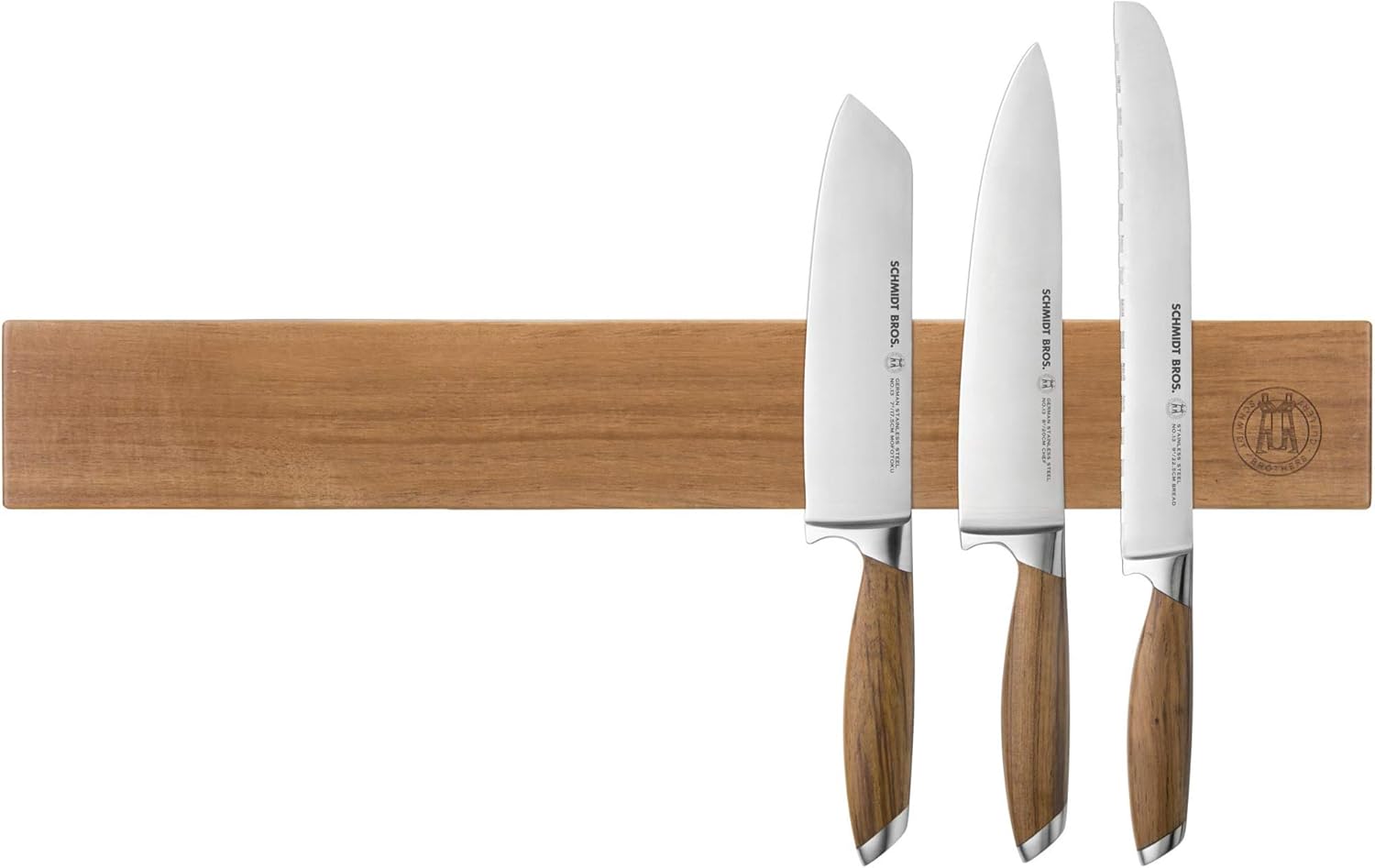
According to culinary experts at Serious Eats, proper knife maintenance dramatically extends the lifespan and cutting efficiency of forged culinary tools. Storing your blades on a magnetic strip or in a protective sheath prevents edge-on-edge collisions that cause dulling and chipping.
Practical Real-World Application
Consider a professional barbecue pitmaster or home cook breaking down a whole subprimal cut of meat. Utilizing a specialized hand-forged boning and cleaver tool allows precise separation of muscle groups without tearing the delicate protein fibers. By pairing this specialized utility with a reliable chef's knife for vegetable prep, the entire culinary process becomes faster and safer.
Conclusion
Investing in quality hand-forged cutlery elevates both your kitchen efficiency and your appreciation for traditional metallurgy. By understanding how full-tang construction and specialized blade geometries function, you can approach any culinary challenge with confidence.
Sources
"""
print(blog_text)
Code outputBLOG_TITLE: Mastering Culinary Steel: How Hand-Forged Blades Transform Precision Cooking
BLOG_CONTENT:
The secret to effortless meal preparation isn't just advanced culinary skill, but understanding how specialized metallurgy transforms raw ingredients into a fine dining experience. Whether you are breaking down poultry or slicing delicate proteins, choosing the right edge changes the entire kitchen workflow.
The Anatomy of Forged Full-Tang Blades
Hand-forged blades offer exceptional durability because the steel is heated and hammered into shape, aligning the crystalline structure for maximum resilience. Full-tang construction means the metal extends continuously from the tip of the blade to the end of the handle, ensuring balanced weight distribution. This structural integrity prevents wobbling during heavy-duty tasks like butchering or cleaving dense connective tissue.
- Superior Balance: Full-tang designs provide a natural pivot point near the bolster, reducing hand fatigue during extended prep sessions.
- Edge Retention: Hand-forged carbon steel or high-alloy stainless steel holds a razor-sharp edge significantly longer than stamped alternatives.
- Robust Safety: A continuous steel spine ensures the blade will not snap under high-pressure cutting forces.
Choosing the Right Tool for Precision Tasks
While a versatile chef's knife handles eighty percent of general kitchen prep, specialized tasks require purpose-built geometry. For instance, a hand-forged boning knife or butcher cleaver features a curved, narrow profile designed to navigate tight joints and slice cleanly along bone structures. Matching the blade profile to the specific task minimizes waste and protects your primary cutting edges from unnecessary wear.
- Boning and Slicing: Narrow, flexible or semi-rigid tips maneuver smoothly around cartilage and skin.
- Cleaving and Butchering: Heavier, thicker spines deliver localized momentum for splitting dense meat and poultry joints.
- General Prep: Broader bellies allow for a rocking motion on cutting boards for herbs and vegetables.
Proper Maintenance and Sharpening Rituals
Maintaining a hand-forged kitchen tool requires consistent care to preserve both the edge geometry and the metal's finish. Hand washing immediately after use prevents corrosive acids from pitting the high-carbon steel surface. Regular honing on a ceramic rod realigns microscopic burrs, while periodic whetstone sharpening restores the factory-level cutting angle.
According to culinary experts at Serious Eats, proper knife maintenance dramatically extends the lifespan and cutting efficiency of forged culinary tools. Storing your blades on a magnetic strip or in a protective sheath prevents edge-on-edge collisions that cause dulling and chipping.
Practical Real-World Application
Consider a professional barbecue pitmaster or home cook breaking down a whole subprimal cut of meat. Utilizing a specialized hand-forged boning and cleaver tool allows precise separation of muscle groups without tearing the delicate protein fibers. By pairing this specialized utility with a reliable chef's knife for vegetable prep, the entire culinary process becomes faster and safer.
Conclusion
Investing in quality hand-forged cutlery elevates both your kitchen efficiency and your appreciation for traditional metallurgy. By understanding how full-tang construction and specialized blade geometries function, you can approach any culinary challenge with confidence.
Sources
LuckeLadybug
Noticias
Navigating Estate Administration: A Step-by-Step Practical Guide for Families


