




The Modern Soccer Ecosystem: How Data, Inclusivity, and Grassroots Growth are Transforming the Game

Soccer is currently experiencing a historic global transformation. Driven by major international tournaments, technological advancements, and accessible pathways for young athletes, participation and viewership are breaking historic records. From youth academies to professional leagues, the landscape of the sport is evolving into a more data-driven, inclusive, and community-centered model.
Sports & Fitness Industry Association
+ 1
Understanding these structural shifts provides valuable insight into how soccer is played, analyzed, and integrated into modern sports culture today.
Sports & Fitness Industry Association
The Grassroots Boom and Lowered Barriers to Entry
Unlike sports that require substantial gear investments, soccer continues to lead as one of the world's most accessible team sports. This fundamental accessibility makes it a primary engine for athletic engagement among youth and adult communities alike.
Sport Calgary
According to a report by SFIA, participation in outdoor soccer in the United States surged to over 16.8 million participants in 2025—a 15.8% year-over-year increase—complemented by steady growth in indoor variants. Simultaneously, data published by Canada Soccer highlights that soccer has solidified its rank as the #1 participation sport for Canadian youth, with median annual costs remaining significantly more affordable than traditional ice sports.
Sport Calgary
Low Economic Overhead: Minimal mandatory equipment (cleats, shin guards, and a soccer ball) reduces financial friction for families.
Flexible Modalities: The expansion of futsal, 5-a-side, and small-sided games allows year-round play across diverse urban and suburban spaces.
Multicultural Appeal: High global engagement fosters natural community integration across varied demographics.
Advanced Analytics and Tactical Evolution
At the elite level, the integration of advanced tracking technology and predictive modeling has fundamentally altered match strategy and player recruitment. Club analytics departments no longer rely solely on basic match statistics like goals or pass completion percentages.
Expected Goals (xG) and Expected Assists (xA): Measures the probability of a shot or pass resulting in a goal based on spatial context, defender proximity, and body positioning.
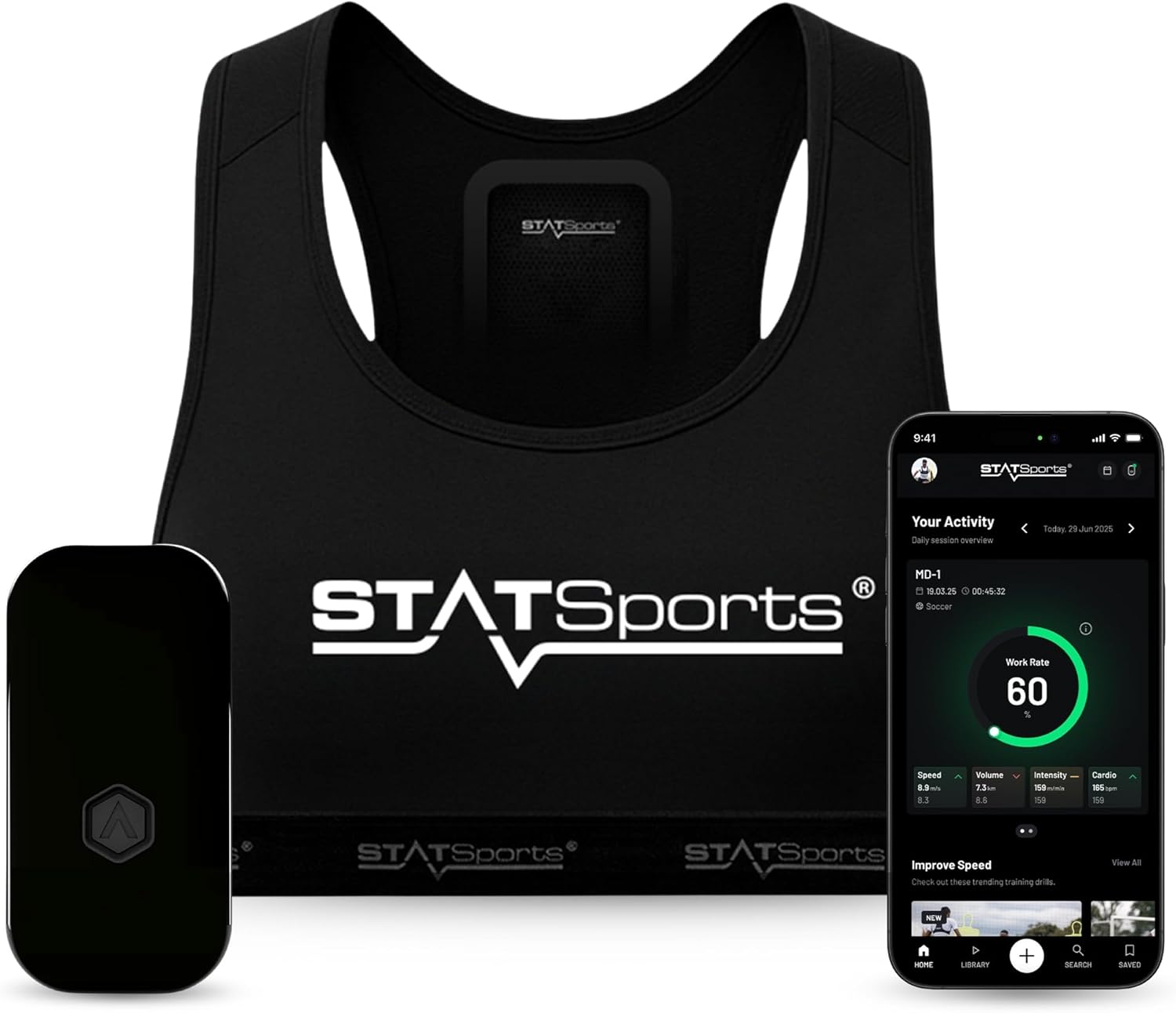
Positional Tracking & Wearables: GPS units monitor physical output, high-intensity sprints, and workload to optimize match conditioning and reduce soft-tissue injury risks.
Pressing Dynamics & PPDA: Metrics such as Passes Allowed Per Defensive Action (PPDA) evaluate a team's defensive intensity higher up the pitch.
This data-driven approach allows tactical developments—such as inverted fullbacks, high-pressing structures, and positional fluidity—to be implemented with scientific precision.
The Rapid Expansion of Women's Soccer
The professionalization and commercial backing of women's soccer have triggered unparalleled growth across both global fanbases and domestic grassroot participation. Major competitions routinely set attendance and viewership records, encouraging sustained investment from domestic sports organizations.
SponsorPulse
Initiatives launched by international governing bodies like FIFA continue to mandate structural developments in women's technical programs, coach licensing, and academy pipelines worldwide. As pathways from youth development to elite domestic leagues become increasingly structured, player retention rates among female athletes have reached all-time highs.
Case Study: Small-Sided Games in Youth Development
For decades, youth soccer development relied heavily on full 11v11 match formats from early childhood. However, sports science and player development models transitioned to small-sided games (4v4, 7v7, and 9v9 formats) for younger age brackets.
Increased Ball Touches: Research indicates that players in small-sided formats achieve up to 300% more individual ball touches per match compared to standard 11v11 play.
Accelerated Decision-Making: Smaller pitch sizes reduce time-on-ball, forcing players to develop rapid spatial awareness and dynamic scanning techniques.
Enhanced Engagement: Higher goal scoring, frequent 1v1 situations, and active involvement keep young athletes engaged longer, significantly boosting long-term sport retention.
Calgary Foothills Soccer Club
National associations globally now enforce standardized small-sided pitch dimensions as the default curriculum for grassroots development.
Sources
SFIA - Soccer Participation Data & Trends
Sports & Fitness Industry Association
Canada Soccer - Youth Participation Metrics
Sport Calgary
FIFA Website

LuckeLadybug
Noticias
The Impact of Character Evolution: Looking Back at Kelli Giddish and Her Television Legacy


