




The Cold Hard Truth: The Chemistry, History, and Culinary Art of Ice Cream

Ice cream is universally adored, yet few consumers stop to consider the complex material science resting atop a waffle cone. At a microscopic level, ice cream represents one of the most intricate matrixes in food science—a simultaneous emulsion, foam, and suspension. Mastering this balance of physics and flavor transforms a simple sweet treat into a masterclass in food engineering.
The Three States of Matter in a Single Scoop
From a physical chemistry perspective, ice cream is a colloidal structure where three distinct phases coexist in a delicate equilibrium:
American Chemical Society
Ice Crystals (Solid Suspension): Water molecules bind together into microscopic crystals during the churning process. Keeping these crystals under 50 micrometers in size is essential; anything larger registers on the human tongue as grainy or icy.
Smithsonian Magazine
Fat Globules (Emulsion): Milk fat provides the rich, coating sensation in the mouth. Emulsifiers (such as lecithin from egg yolks or mono- and diglycerides) allow fat droplets to suspend evenly within liquid serum instead of separating into oil layers.
Smithsonian Magazine
Air Bubbles (Foam): Known in commercial production as "overrun," air whipped into the mixture provides lightness and scoopability. Without air, frozen cream turns into a rock-hard block of dairy ice.
American Chemical Society
+ 1
Historical Origins: From Presidential Bowls to Modern Soft Serve
Long before modern refrigeration stabilized dairy fats, icy desserts carried immense prestige due to the labor required to harvest and store natural ice.
Colonial Sophistication: American historical records reveal that Founding Father George Washington was so passionate about ice cream that he purchased specialized ice cream pots, tin molds, and serving spoons to serve guests at his presidential home.
Smithsonian Magazine
The Evolution of Soft Serve: In the mid-20th century, inventors realized that serving ice cream immediately after initial churning—before deep freezing—yielded a distinct texture. The process whips air directly into the liquid mix while keeping the temperature higher than standard hard-scoop varieties.
Smithsonian Magazine
As detailed in research published by Smithsonian Magazine, soft serve relies on a higher air content (overrun) and higher serving temperatures to deliver its signature velvety mouthfeel.
Smithsonian Magazine
Case Study: Thermal Dynamics and Melt Resistance
A central challenge in food science is extending meltdown stability without adding synthetic chemicals. When ice cream melts, the liquid serum leaks out while air pockets collapse.
American Chemical Society
To solve this, researchers at the University of Edinburgh studied Bacillus subtilis, a bacterium that produces a natural protein called Bacterial Surface Layer A (BslA). BslA acts as a biological raincoat: it binds to fat droplets, air bubbles, and water droplets simultaneously.
Smithsonian Magazine
According to reports from Smithsonian Magazine, incorporating this protein slows down the melting rate dramatically while allowing manufacturers to reduce overall fat content without sacrificing texture.
Home Gelato vs. Industrial Scoop: Key Differences
Understanding the structural mechanics helps explain why different styles of frozen desserts taste and feel so different on the palate:
American Hard-Scoop: Typically contains 10–14% milk fat and up to 50% air overrun, yielding a fluffy texture served at very low temperatures.
Smithsonian Magazine
Italian Gelato: Features a lower fat content (around 4–8%), significantly less air incorporation, and is served a few degrees warmer, intensifying flavor release on the tongue.
Philly-Style: Skips egg yolks entirely, relying solely on heavy cream, milk, sugar, and flavorings for a clean, intense dairy flavor.
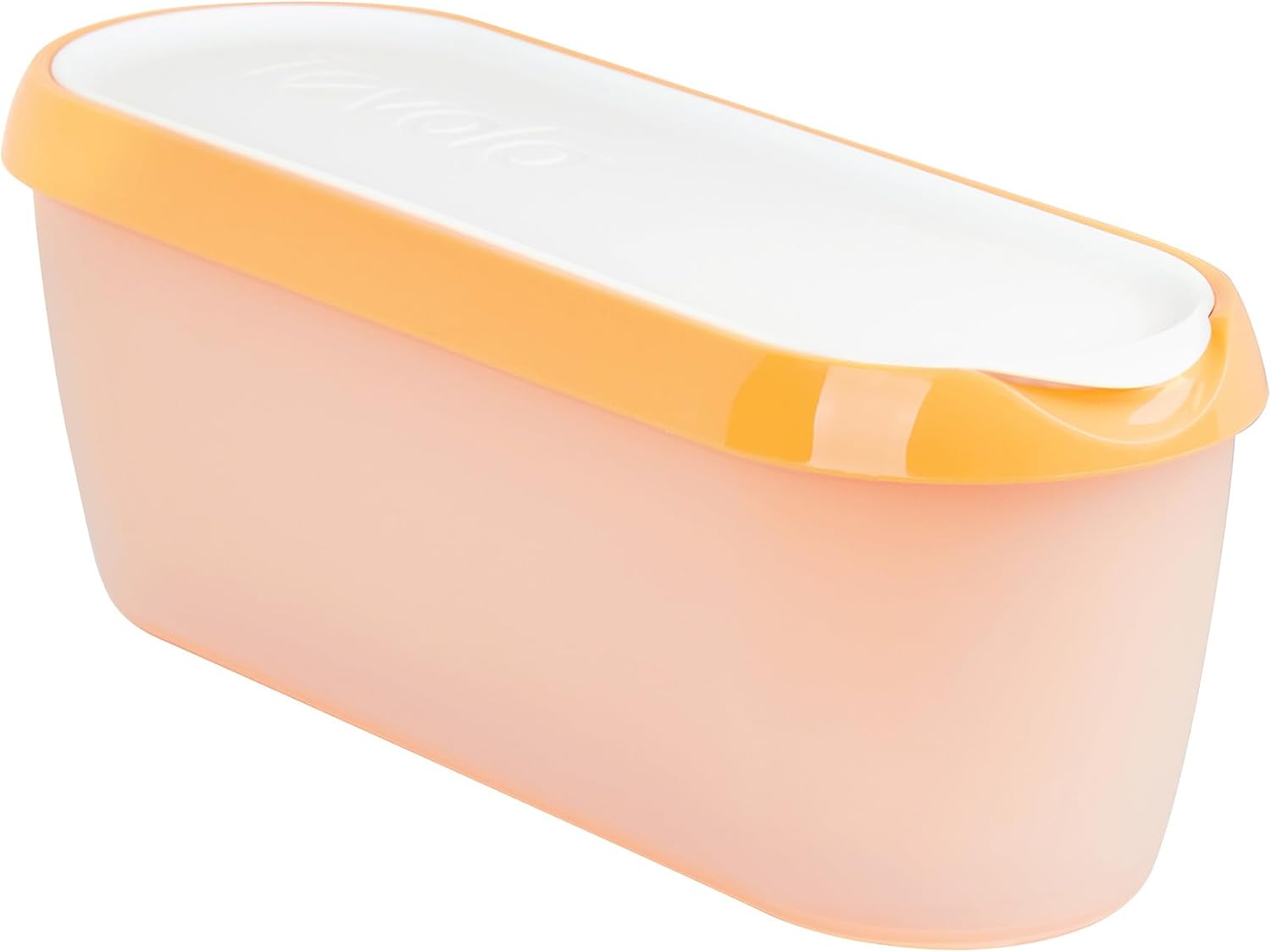
How to Prevent Freezer Burn at Home
When stored improper, ice cream undergoes "recrystallization." Temperature fluctuations cause small ice crystals to melt slightly and aggregate into large, crunchy ice chunks when re-frozen.
To preserve texture:
Store containers in the deepest part of the freezer rather than on the door.
Press a piece of parchment paper or plastic wrap directly onto the surface of the exposed cream before closing the lid to minimize air exposure.
Maintain a stable freezer temperature at or below 0°F (-18°C).
Sources
Smithsonian Magazine
Smithsonian Magazine
Smithsonian Magazine
Smithsonian Magazine
Smithsonian Magazine
LuckeLadybug
Noticias
Analyzing the Strategic Implications of Trump Iran Policy Shifts and Regional Dynamics


