





Navigating Postpartum Recovery: Physical Healing, Mental Health, and What Every New Parent Needs to Know

The postpartum period—often referred to as the "fourth trimester"—is a profound journey of physical transformation, hormonal shifts, and emotional recalibration. While much of the focus during pregnancy centers on delivery preparation, the weeks and months following childbirth require equal attention, care, and informed guidance.
Understanding what to expect during postpartum recovery empowers new parents to navigate this transition safely and confidently.
Understanding Physical Recovery and Healing
Physical recovery after childbirth is a multi-week process, whether delivery occurred vaginally or via Cesarean section. Immediately after delivery, the uterus begins contracting back to its pre-pregnancy size, a process known as involution that causes temporary abdominal cramping ("afterpains").
Key physical aspects of recovery include:
Lochia (Postpartum Bleeding): Vaginal discharge consisting of blood, tissue, and mucus continues for 4 to 6 weeks, gradually changing from bright red to pinkish-brown and eventually yellow-white.
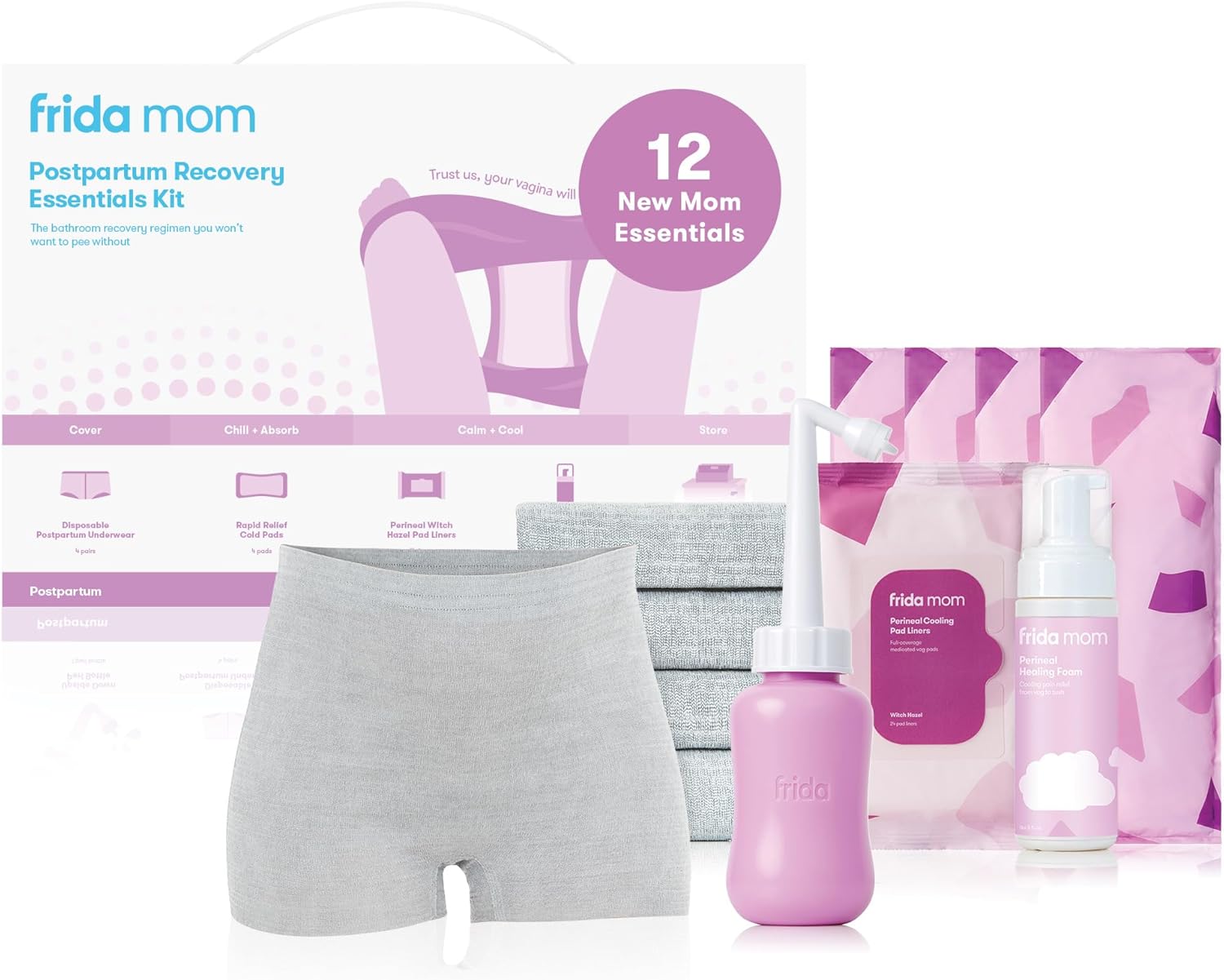
Perineal Care or Surgical Healing: For vaginal births involving tearing or an episiotomy, warm water sitz baths and cold compresses reduce swelling and pain. For C-section deliveries, monitoring the surgical incision for signs of proper wound closure and avoiding heavy lifting are vital.
MyHealth Alberta - Government of Alberta
Pelvic Floor Strengthening: Pregnancy and birth put strain on the pelvic floor muscles. Gentle pelvic floor exercises (Kegels), guided by a physical therapist when necessary, assist in preventing long-term urinary incontinence or organ prolapse.
Case Study: Managing Physical Healing Realistically
Sarah, a first-time mother who underwent an unplanned C-section, anticipated resuming light housekeeping within two weeks. However, persistent incisional soreness and fatigue signaled that her body needed extended rest. By incorporating structured rest periods, utilizing supportive abdominal binding upon her care provider's advice, and prioritizing daily walks rather than strenuous activity, Sarah successfully reduced wound strain and regained strength over six weeks.
Differentiating "Baby Blues" from Postpartum Depression
Hormonal fluctuations after birth are drastic; estrogen and progesterone levels drop rapidly within hours of delivery. Up to 80% of new mothers experience the "baby blues," characterized by mild mood swings, sudden tearfulness, anxiety, and fatigue that peak around day 4 or 5 and resolve within two weeks.
Cleveland Clinic Journal of medicine
+ 1
When mood disturbances persist past two weeks, increase in severity, or interfere with daily functioning, clinical evaluation for Postpartum Depression (PPD) or Postpartum Anxiety (PPA) is essential.
Merck Manuals
Common indicators of postpartum mental health conditions include:
Persistent feelings of sadness, guilt, worthlessness, or overwhelm.
Merck Manuals
Inability to sleep even when the infant is resting comfortably.
Lippincott
Intrusive, persistent thoughts or severe anxieties regarding the infant's safety.
Loss of interest in daily activities or difficulty bonding with the baby.
Merck Manuals
The American College of Obstetricians and Gynecologists (ACOG) recommends standardized screening for perinatal depression and anxiety using validated assessment tools during postpartum clinical visits.
Lippincott
Case Study: Early Intervention for Perinatal Anxiety
Elena experienced severe insomnia and intrusive worry four weeks after her baby's birth. She initially assumed this was normal parental exhaustion, but her pediatrician noticed signs of heightened anxiety during a routine infant checkup. Following a screening using the Edinburgh Postnatal Depression Scale (EPDS), Elena was connected with a maternal mental health specialist. Through cognitive behavioral therapy (CBT) and regular support groups, her symptoms significantly improved within two months.
Red Flag Symptoms: When to Seek Immediate Medical Care
While discomfort is typical during recovery, certain symptoms require urgent medical evaluation to prevent life-threatening complications such as postpartum hemorrhage, preeclampsia, or infections.
MyHealth Alberta - Government of Alberta
Seek emergency care or contact a medical provider immediately if you experience:
Excessive Bleeding: Soaking through more than one heavy pad per hour for two consecutive hours, or passing blood clots larger than a golf ball.
Signs of Infection: Fever over 100.4°F (38°C), foul-smelling discharge, or increasing redness, warmth, or pus at an incision site.
MyHealth Alberta - Government of Alberta
Preeclampsia Symptoms: Severe headache, sudden visual disturbances (blurry vision or seeing spots), or sudden swelling in the face and hands.
MyHealth Alberta - Government of Alberta
Cardiovascular & Clotting Signs: Shortness of breath, severe chest pain, or localized swelling and redness in one calf.
MyHealth Alberta - Government of Alberta
Crisis Mental Health Signs: Thoughts of self-harm, harming the infant, or experiencing halluncinations.
MyHealth Alberta - Government of Alberta
Practical Strategies for Fourth-Trimester Wellness
Establish a Support System: Delegate meal preparation, cleaning, and laundry to family members, partner, or community networks so primary caregivers can rest.
Prioritize Restorative Nutrition and Hydration: Eating nutrient-dense foods rich in fiber, protein, and healthy fats supports tissue repair and energy levels, while adequate water intake prevents constipation and supports lactation.
Canada.ca
Attend Comprehensive Follow-up Care: Schedule routine postpartum checks with a midwife or obstetrician rather than waiting for a single 6-week visit.
Sources
American College of Obstetricians and Gynecologists (ACOG)
Lippincott
Centers for Disease Control and Prevention (CDC) - Postpartum Care
Public Health Agency of Canada - Postpartum Health Guide
Canada.ca

LuckeLadybug
Noticias
Mastering the Serve: What We Can Learn From Hubert Hurkacz


