


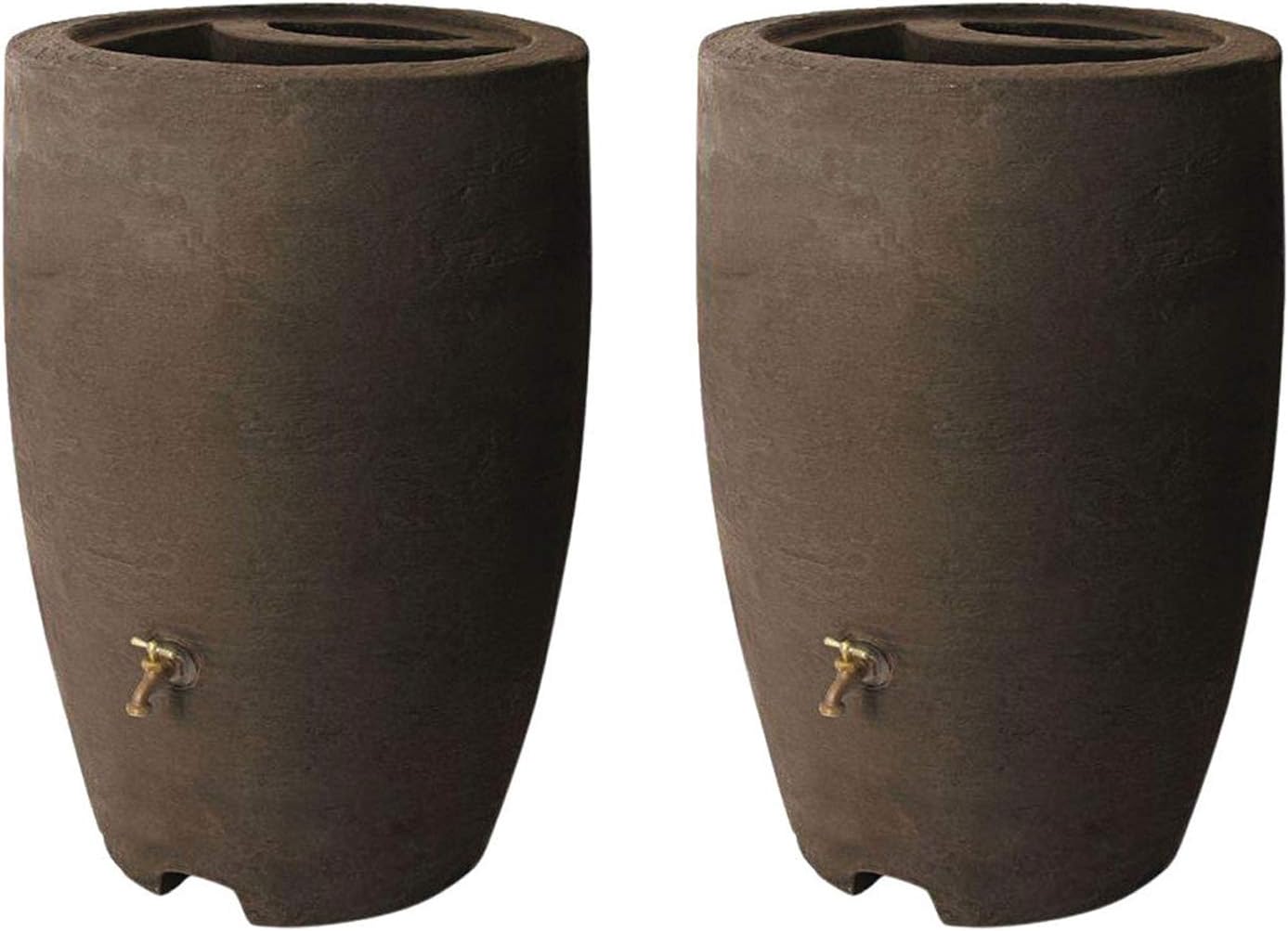


Harnessing Lluvia: How Rainwater Harvesting Is Transforming Urban Water Security

</strong></p>
<p>Water climate crises across urban centers worldwide have pushed traditional municipal supply grids to their limits. In response, a global movement is turning to <em>lluvia</em>—the Spanish word for rain—as a decentralised, highly reliable solution to seasonal drought and infrastructure strain. Rather than allowing torrential downpours to escape as stormwater runoff, cities and households are deploying modern rainwater harvesting systems to capture, filter, and store rain where it falls.</p>
<p>Understanding how rainwater capturing works—and how communities are scaling it—provides actionable insights for homeowners, urban planners, and environmental advocates seeking long-term resilience.</p>
<h2>Understanding the Basics of Rain Catchment Technology</h2>
<p>Modern rainwater collection systems extend far beyond a basic barrel beneath a downspout. A comprehensive catchment setup converts standard residential or commercial rooftops into self-sustaining water collection networks using multi-stage filtration and managed intake dynamics:</p>
<ul>
<li><strong>Rooftop Catchment Surfaces:</strong> Clean, non-toxic roofing materials collect high volumes of precipitation during storm events without absorbing excess chemical contaminants.</li>
<li><strong>First-Flush Diverters:</strong> Known in Latin American implementations as a <em>Tlaloque</em>, these mechanical valves automatically isolate and discard the initial flow of water (typically the first millimeter of rainfall), which carries up to 75% of surface particulate matter and atmospheric dust.</li>
<li><strong>Sedimentation & Calmed Inlets:</strong> Stored water enters storage cisterns through engineered inlets designed to prevent turbulence, allowing fine sediments to settle naturally at the tank floor.</li>
<li><strong>Secondary & Sub-Micron Filtration:</strong> Water drawn from floating intakes just below the surface passes through carbon or particulate filters. When paired with final disinfection (such as UV or gravity filtration), harvested rain achieves potable quality for daily household use.</li>
</ul>
<h2>Case Study: Cosecha de Lluvia in Mexico City</h2>
<p>One of the world's largest deployments of residential rain catchment is the flagship initiative, <a href="https://use.metropolis.org/case-studies/rainwater-harvesting-program">Cosecha de Lluvia</a>, launched by local municipal authorities in Mexico City. Facing severe over-extraction of underground aquifers and frequent municipal water rationing, the program targeted vulnerable urban districts with household-level capture systems.</p>
<div class="callout-box">
<h3>Key Impact Metrics from Metropolitan Deployment</h3>
<p>Between 2019 and late 2023, the initiative successfully installed over 62,700 decentralized harvesting systems across water-stressed neighborhoods. Independent program evaluations revealed that participating households gained up to 5 to 8 months of complete water autonomy each year during the wet season, while significantly reducing time spent managing alternative water deliveries.</p>
</div>
<p>According to field data published by non-profit partners such as <a href="https://islaurbana.org/en/lluvia-para-todos/">Isla Urbana</a>, these installations drastically lower energy consumption associated with pumping water across steep topographies, providing a scalable model for climate adaptation across Latin America and arid regions worldwide.</p>
<h2>Key Benefits of Capturing Rainwater at Home</h2>
<p>For residential property owners and localized communities, integrating a rain collection strategy offers distinct environmental and operational benefits:</p>
<ol>
<li><strong>Decreased Aquifer Strain:</strong> Direct precipitation capture minimizes the volume of groundwater pulled from over-exploited local aquifers, allowing natural water tables time to recharge.</li>
<li><strong>Reduced Flood Risk & Runoff:</strong> Capturing high-velocity rain during peak storm events mitigates local urban flooding, lowering municipal sewer overflow risks and urban soil erosion.</li>
<li><strong>Lower Energy & Carbon Footprint:</strong> Treating and pumping water across vast regional grids consumes significant electrical energy. On-site rainwater storage relies largely on gravity or minimal solar-powered pumping.</li>
<li><strong>Enhanced Disaster Resilience:</strong> In times of municipal supply disruptions or prolonged drought periods, clean stored water acts as a vital buffer for sanitation, gardens, and general home use.</li>
</ol>
<h2>Best Practices for Implementing a Home System</h2>
<p>To ensure long-term functionality and water safety, proper system design and maintenance are essential:</p>
<ul>
<li><strong>Calculate Catchment Capacity:</strong> Determine total potential yield using local rainfall data (1 millimeter of rain on 1 square meter of roof yields roughly 0.95 liters of usable water).</li>
<li><strong>Regular Filter Maintenance:</strong> Inspect primary leaf screens monthly and clear first-flush diverter chambers after heavy storm cycles to preserve water quality.</li>
<li><strong>Ensure Dark, Opaque Storage:</strong> Use food-grade, UV-resistant tanks installed out of direct sunlight to suppress algae growth and preserve stored liquid clarity.</li>
</ul>
<h2>Sources</h2>
<p class="sources-list">
- <a href="https://use.metropolis.org/case-studies/rainwater-harvesting-program">Cosecha de Lluvia Program Case Study</a><br>
- <a href="https://islaurbana.org/en/lluvia-para-todos/">Isla Urbana - Rainwater Harvesting Impact in Mexico</a>
</p>
</body>
</html>
"""
with open("lluvia_article.html", "w") as f:
f.write(html_content)
weasyprint.HTML("lluvia_article.html").write_pdf("lluvia_article.pdf")
print("PDF created successfully: lluvia_article.pdf")
Code outputPDF created successfully: lluvia_article.pdf

LuckeLadybug
Noticias
Navigating the History and Evolution of the October 12 Holiday


