
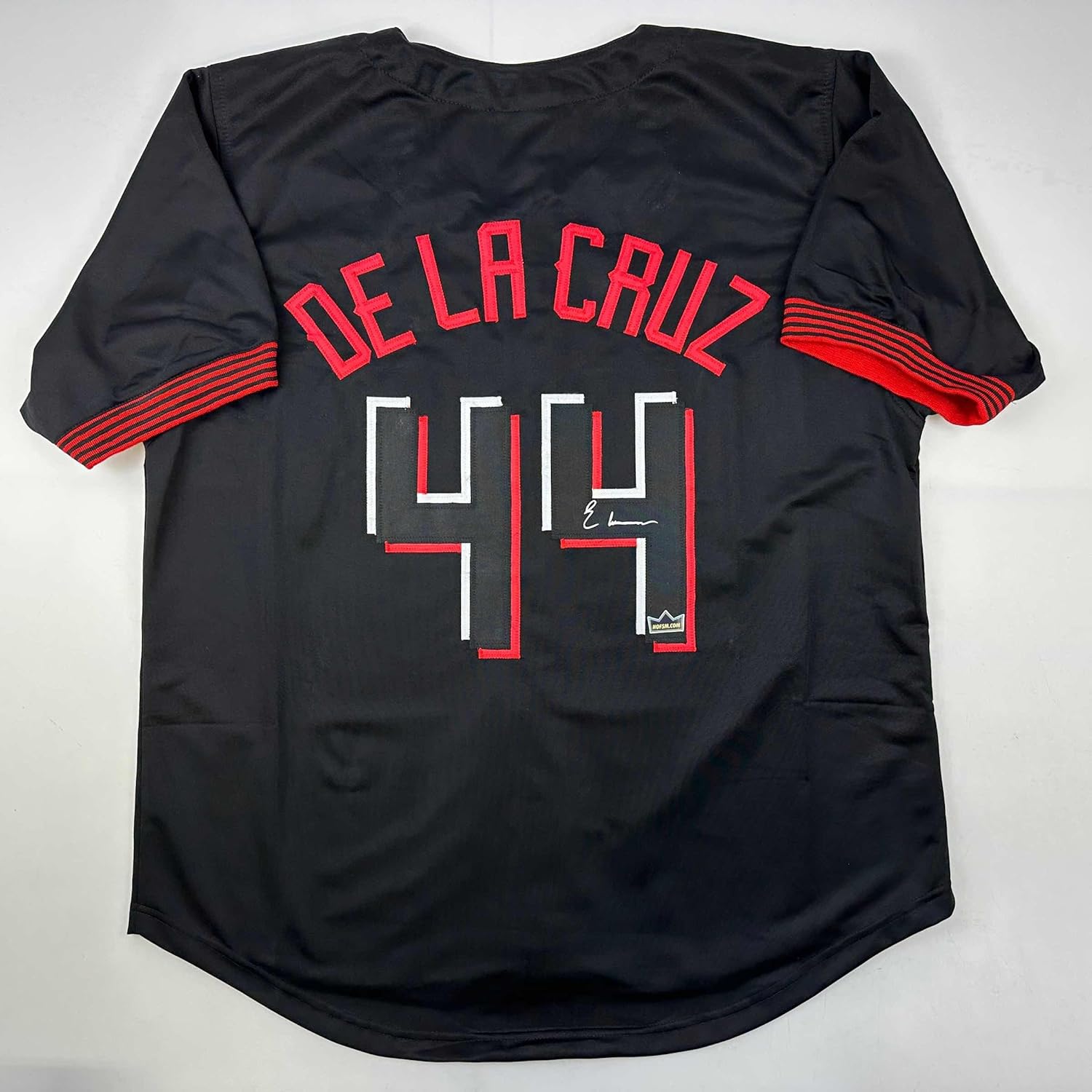



Decoding Elly De La Cruz: How Advanced Metrics Reveal the Anatomy of Baseball's Most Dynamic Superstar

Since making his Major League Baseball debut, Cincinnati Reds shortstop Elly De La Cruz has captured the sports world's attention with an rare blend of raw speed, elite exit velocity, and dynamic arm strength. Beyond the viral highlight-reel plays, advanced baseball analytics provide a clearer picture of how De La Cruz generates his production and where his ongoing development is reshaping modern shortstop evaluation.
Baseball-Reference.com
The Three Pillars of De La Cruz's Dynamic Skill Set
Standing 6-foot-5 with exceptional athletic tools, De La Cruz produces physical metrics that rank at the top tier of Major League Baseball. According to tracking data from MLB Statcast, his profile is built on three core physical traits:
Top-Tier Sprint Speed: De La Cruz consistently ranks near the top of MLB in sprint speed, averaging over 30 feet per second. This speed translates into elite baserunning range, allowing him to turn singles into doubles and aggressively pressure opposing defenses.
Maximum Exit Velocity: Driven by leverage and rotational power, De La Cruz generates elite exit velocity readings, regularly exceeding 115 mph on hit balls.
Elite Infield Arm Strength: Defensively, De La Cruz possesses one of the strongest throwing arms among middle infielders, routinely recording throws across the diamond in excess of 95 mph.
Real-World Case Study: Baserunning Impact on Game Strategy
The impact of elite athletic tools on game outcomes is best demonstrated by De La Cruz's aggressive baserunning strategy. In a key matchup, after drawing a walk, De La Cruz proceeded to steal second base, third base, and home plate all within the same plate appearance.
This sequence illustrates how top-tier speed alters defensive positioning:
Pitcher Distraction: Pitchers shorten their delivery times and increase pickoff attempts, which often leads to mislocated pitches for following batters.
Infield Creep: Middle infielders are forced to play closer to the bags to hold him on base, widening the hit zones in the infield gaps.
Catcher Pressure: Catchers are forced to rush throw-downs, increasing the likelihood of throwing errors and extra bases taken.
Quantitative Overview: Career Progression
Data compiled by Baseball-Reference highlights De La Cruz's offensive volume and run-production metrics across his Major League career:
Metric Description / Career Trend
Speed & Stolen Bases Recorded 67 stolen bases in 2024 and maintained strong efficiency across subsequent campaigns.
Power Production Surpassed 20 home runs in back-to-back full seasons (2024–2025) while accumulating double-digit triples.
Plate Discipline Showing steady progression in walk rate (BB%), balancing high strikeout totals with improved pitch selection.
Modern Shortstop Evolution and Future Outlook
Historically, shortstops were valued primarily for defensive range and ball handling. The modern era, exemplified by players like De La Cruz, demands primary run producers who can swing momentum offensively while maintaining premium defensive positions.
As De La Cruz continues to refine his contact consistency against offspeed pitches and optimize his launch angles, his combination of power and speed remains a modern benchmark for impact talent in Major League Baseball.
Sources
MLB Statcast / Baseball Savant
Baseball-Reference
MLB.com Player Profiles
LuckeLadybug
Noticias
Mastering the Serve: What We Can Learn From Hubert Hurkacz


