

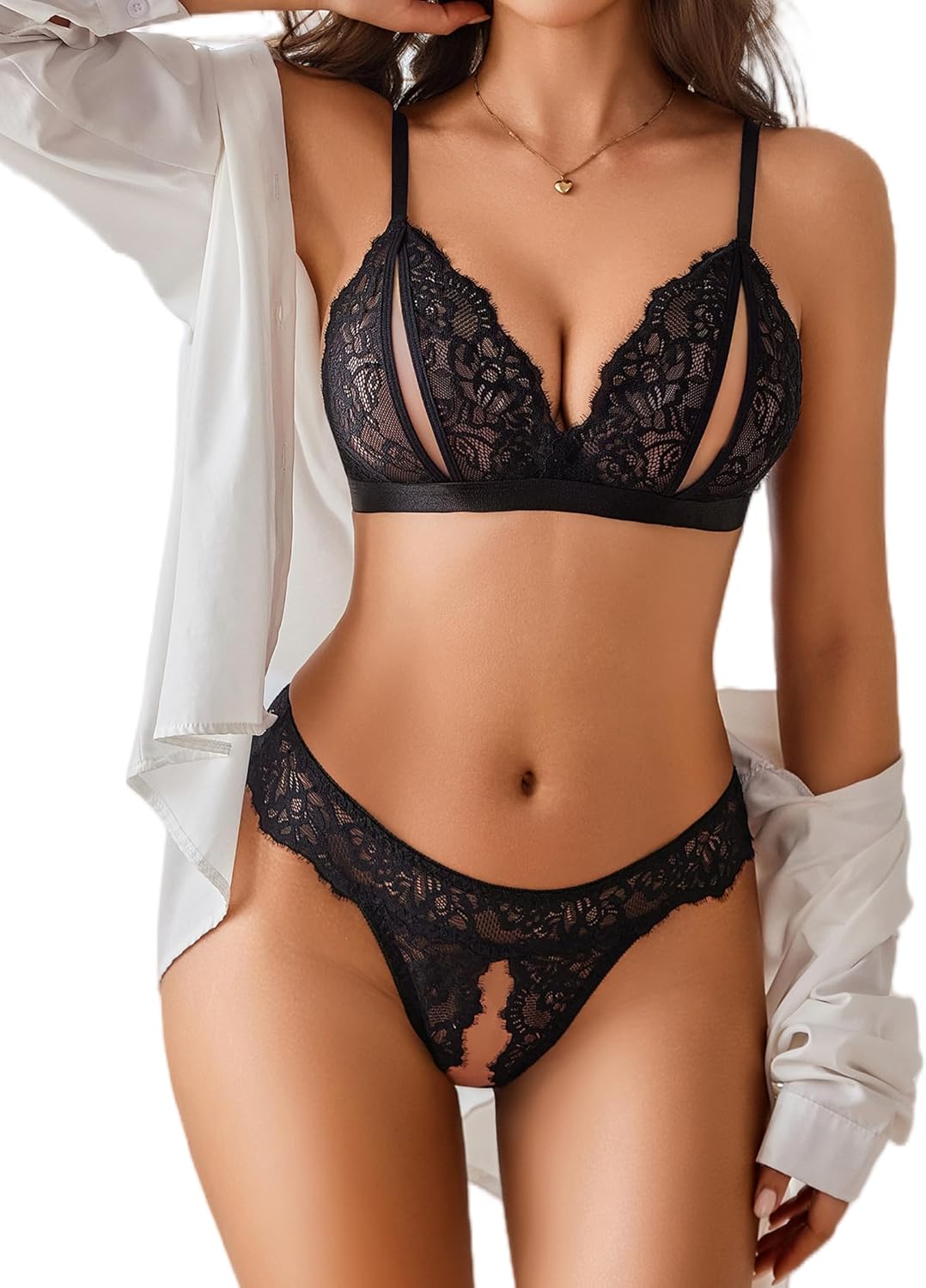


Womens Lingerie: How to Choose Lace Bra and Panty Sets for Comfort, Fit, and Everyday Confidence

A lace set can look beautiful on the hanger, but the qualities that determine whether you will actually enjoy wearing it are fit, fabric feel, construction, and thoughtful care. When choosing Womens Lingerie, learning to evaluate those details can help you find pieces that feel as good as they look.
Start With Fit, Not the Size on the Label
Bra sizing is a useful starting point rather than a guarantee of identical fit across every style. Cup shape, band construction, fabric stretch, and individual body proportions can change how two bras marked with the same size actually feel.
A well-fitting bra should generally have a secure band, comfortably contained breast tissue, and cups that lie smoothly without obvious spilling or large gaps. The straps should contribute to stability without needing to dig into the shoulders.
For panties, comfort is similarly important. Look for a waistband and leg openings that remain comfortably in place without excessive pressure, bunching, or constant adjustment.
The UK's National Health Service notes that breast size and shape can change over time and that a properly fitting bra can improve comfort. NHS
Understand What Lace Changes
Lace is primarily a structural and decorative textile choice, and different lace constructions can behave very differently. Some are soft and highly flexible, while others are firmer, more textured, or less forgiving against sensitive skin.
Before choosing a lace bra and panty set, consider:
Texture: Run your fingers across areas likely to contact the skin for extended periods.
Stretch: Flexible lace may accommodate movement differently from rigid lace.
Seams: Examine where seams, elastic, and decorative edges meet the body.
Lining: A lined section can feel substantially different from exposed lace.
Hardware: Check clasps, adjusters, rings, and other components for smooth finishing.
Fiber content matters as well. The U.S. Federal Trade Commission explains that textile labels provide fiber-content information, which can help consumers understand what a garment is made from. Federal Trade Commission
A Practical Example: A Lace Bra and Panty Set
Consider a Womens Lace Bra and Panty Lingerie Set built with knit construction, lace styling, thin molded cups, a solid pattern, and a back-closure bra. Those details provide useful clues about what a wearer should evaluate before deciding whether the design suits her needs.
Thin molded cups can provide shaping without the bulk associated with heavily padded construction. A back closure, meanwhile, makes band fit especially important because the bra's stability depends substantially on how securely the band sits around the torso.
The coordinated panties deserve an independent fit check rather than simply assuming that the correct bra size means the accompanying bottom will fit equally well. Bodies rarely follow a perfectly standardized top-to-bottom proportion.
This is an important consideration with matching lingerie sets: visual coordination is convenient, but the two pieces still need to work independently for your body.
Check the Bra in Three Areas
When trying on a bra, assess the band, cups, and straps separately.
Band: It should feel secure enough to provide support without being painfully restrictive.
Cups: Look for smooth containment rather than significant overflow, compression, or empty space.
Straps: Adjust them so they remain comfortably positioned without excessive pressure.
Move around after making these adjustments. Raise your arms, sit down, bend gently, and walk for a moment because a bra that seems fine while standing still may shift during normal movement.
If the band rides noticeably upward, the cups shift substantially, or you immediately want to remove the bra because of pressure or irritation, reconsider the fit rather than assuming discomfort is inevitable.
Do Not Overlook Panty Fit
A matching bottom can be attractive but still be the wrong cut for your body. Rise, waistband elasticity, leg openings, coverage, and fabric stretch all influence comfort.
Pay particular attention to how the garment feels while sitting. Waistbands or decorative edges that seem comfortable while standing can create pressure once your hips and abdomen change position.
Also consider the intended duration of wear. A decorative piece selected for occasional use may have different comfort priorities from underwear you expect to wear throughout a full day.
Think About Skin Contact
Lingerie remains in prolonged, close contact with the body, so comfort involves more than appearance. Friction, trapped moisture, tight elastic, rough seams, and individual sensitivity can all affect the experience of wearing a garment.
The American Academy of Dermatology advises choosing clothing carefully when dealing with sensitive or irritated skin and discusses how factors such as fabric and friction can contribute to irritation. American Academy of Dermatology
If a new piece repeatedly causes itching, redness, chafing, or persistent discomfort, stop wearing it until you can determine the cause. Beautiful detailing is not a reason to tolerate ongoing skin irritation.
Read the Care Label Before Washing
Delicate lingerie can contain several materials and components in one small garment: lace, elastic, molded cups, hooks, decorative trim, and lining. That combination makes the manufacturer's care instructions particularly important.
The FTC explains that manufacturers and importers covered by the Care Labeling Rule must provide instructions for the regular care of textile apparel. Federal Trade Commission
Before washing a lace set:
Read its specific care label.
Fasten hooks when appropriate so they are less likely to catch delicate fabric.
Avoid assuming every lace garment can tolerate the same washing method.
Reshape molded cups carefully rather than crushing or sharply folding them.
Make sure the garment is fully dry before storing it.
Following the actual garment instructions is more reliable than applying a universal lingerie-washing rule.
Build a Small Fit Checklist
A quick evaluation can make lingerie selection much easier. Before deciding that a set works for you, ask:
Does the bra remain comfortably positioned when I move?
Do the cups fit without substantial gaps or overflow?
Does the band feel secure without painful pressure?
Can the straps be adjusted comfortably?
Do the panties stay in place while walking and sitting?
Are lace edges or seams irritating my skin?
Do I understand the garment's fiber composition and care requirements?
Would I comfortably wear this piece for its intended length of time?
A "no" does not necessarily mean the entire style is unsuitable. Sometimes changing the size, cup construction, rise, or lace texture solves the problem.
Comfort and Appearance Should Work Together
One wearer might prioritize a smooth silhouette beneath clothing, while another might prefer decorative lace for special occasions. Someone else may want a versatile coordinated set that balances both purposes.
For example, a thin molded lace bra may appeal to a wearer who prefers a lighter profile, while someone seeking greater coverage or a different support structure may prefer another cup construction. Neither choice is inherently better; the useful question is whether the garment matches the wearer's body and intended use.
This approach makes Womens Lingerie easier to evaluate because it shifts attention away from appearance alone and toward the combination of fit, construction, comfort, and purpose.
The Takeaway
Choose lace lingerie by examining each piece as clothing you will actually wear, not simply as a coordinated design. Check the bra band and cups, evaluate the panties separately, pay attention to lace texture and seams, and follow the garment's care label.
A thoughtfully chosen lace bra and panty set should complement your preferences while remaining comfortable enough for its intended use. That combination is a much more useful measure of a successful choice than size labels or appearance alone.
Sources
Federal Trade Commission — Textile Fiber Labeling Guidance
Federal Trade Commission — Care Labeling Rule
American Academy of Dermatology — Contact Dermatitis
NHS — Breast Pain and Bra Fit Guidance
LuckeLadybug
Noticias
How to Plan a Seamless Trip to Your Final Destination Without Travel Friction


