



Womens Lingerie Fit Guide: How to Choose Seamless G-Strings for Comfort, Fit, and Everyday Wear

The smallest details in underwear—rise, seams, fabric, and fit—can make the difference between a pair you forget you are wearing and one you spend all day adjusting. When choosing Womens Lingerie, understanding how these features interact with your body and clothing is more useful than choosing a style by appearance alone.
Why Seamless G-Strings Feel Different
A G-string uses minimal rear coverage, while a seamless construction aims to reduce prominent edges and stitching. Together, these features can make the style useful beneath fitted dresses, skirts, leggings, and lightweight trousers where conventional underwear lines may be more noticeable.
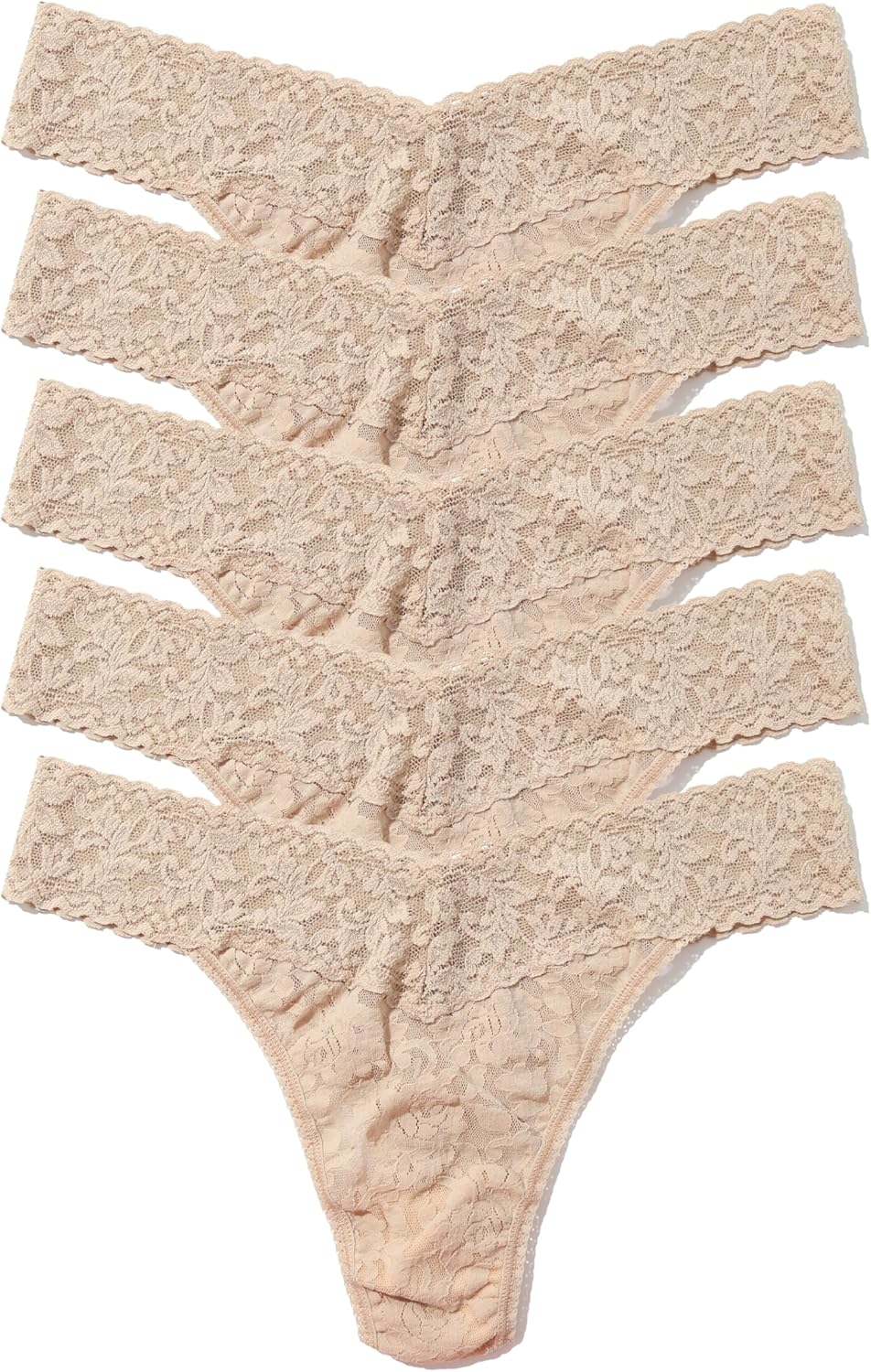
The Womens Seamless Low Rise G-String Panties provide a useful example. Their low-rise silhouette, streamlined construction, and 85% nylon/15% spandex composition illustrate three characteristics worth evaluating separately: where the waistband sits, how much coverage the garment provides, and how the fabric behaves against the body.
"Seamless" should not automatically be interpreted as "more comfortable." Comfort ultimately depends on fit, movement, fabric, moisture, and individual skin sensitivity.
Start With the Rise
Low-rise underwear sits lower on the torso than mid- or high-rise styles. That can pair naturally with low-waisted trousers, skirts, or shorts because less fabric extends above the garment's waistband.
Consider your clothing and your body rather than treating one rise as universally superior:
Low rise: Useful with lower-waisted clothing and for people who dislike fabric extending toward the natural waist.
Mid rise: A versatile option with many everyday bottoms.
High rise: Provides more torso coverage and can coordinate better with high-waisted garments.
A low-rise G-string can look nearly invisible beneath the right outfit, but a waistband that is too tight can still dig into the skin. If the waistband repeatedly rolls, pinches, or needs repositioning, the fit deserves another look.
Pay Attention to Fabric Composition
Nylon-spandex blends are common in close-fitting garments because nylon can create a smooth, lightweight textile while spandex contributes stretch. In the featured example, the stated composition is 85% nylon and 15% spandex.
That combination should not be confused with cotton, however. For people who experience recurrent vulvar or vaginal irritation, breathability may deserve greater priority; Cleveland Clinic notes that cotton is generally preferable for regular wear and suggests looser, breathable underwear for people prone to recurring vulvar or vaginal problems. Cleveland Clinic
This does not mean synthetic underwear is automatically problematic. It means the best material can change according to the situation, duration of wear, activity level, climate, and personal sensitivity.
Fit Matters More Than the Size Printed on the Label
Underwear sizing is not perfectly standardized, so choosing your usual letter size without checking measurements can produce inconsistent results. When a size chart is available, compare your measurements with that specific chart rather than assuming every medium or large fits alike.
Once the underwear is on, use a practical fit test:
Walk, sit, bend, and climb a few stairs.
Check whether the waistband remains reasonably stable.
Notice any persistent digging, rubbing, or bunching.
Make sure the garment stretches with you rather than feeling sharply restrictive.
Reassess after extended wear, because a pair that feels comfortable for five minutes may behave differently after several hours.
Friction deserves particular attention around sensitive areas. Cleveland Clinic explains that friction causes chafing and that moisture can make it worse, while seams and clothing fit can also influence irritation. Cleveland Clinic
When Seamless Construction Is Especially Useful
Imagine wearing a lightweight, body-skimming dress to an event. Traditional briefs with thicker leg openings might create visible outlines, while a smooth G-string construction reduces the amount of material underneath the dress.
Now change the situation to a long, hot day involving considerable walking. Sweat, prolonged wear, and repetitive movement become more important considerations than creating an invisible silhouette.
That distinction is useful: the underwear that works best beneath an outfit is not necessarily the underwear that works best for every activity.
For workouts or especially sweaty conditions, moisture management becomes particularly important. Cleveland Clinic notes that wet clothing and moisture can contribute to friction and chafing, so changing out of damp garments promptly is a sensible practice. Cleveland Clinic
What If You Prefer Thongs or G-Strings Regularly?
You do not need to assume that thong-style underwear is inherently unhealthy. Cleveland Clinic cites research indicating that thong use itself has not been shown to increase the risk of yeast infections, bacterial vaginosis, or urinary tract infections. Cleveland Clinic
Personal experience still matters. Someone who comfortably wears a seamless G-string beneath fitted office clothing all day has a different practical requirement from someone who notices irritation after several hours or regularly experiences vulvar problems.
In the latter situation, experimenting with looser coverage and more breathable materials may be worthwhile. Persistent or recurring symptoms should be discussed with an appropriate healthcare professional rather than attributed automatically to underwear style.
Sensitive Skin Changes the Equation
Sometimes discomfort is not simply a sizing problem. Clothing fabrics, dyes, detergents, and other substances that contact the skin can contribute to contact dermatitis or irritation.
The American Academy of Dermatology notes that fabrics and clothing dyes can trigger contact dermatitis in some people and recommends washing new clothing before wearing it. American Academy of Dermatology
For people with particularly reactive skin, the AAD also recommends strategies such as loose-fitting cotton clothing and fragrance- and dye-free laundry detergent in the context of eczema management. American Academy of Dermatology
If a new pair consistently produces itching, burning, tenderness, or a rash, stop wearing it and consider what changed. Persistent, severe, blistering, or recurring skin problems warrant professional evaluation.
Build a Lingerie Drawer Around Situations
Instead of searching for one underwear style that does everything, think of your lingerie drawer as a small wardrobe with different tools.
A practical mix might include:
Seamless G-strings or thongs for minimizing visible lines.
Everyday briefs or similar styles when additional coverage is preferred.
Breathable cotton options for extended or relaxed wear.
Underwear suited to exercise and moisture management.
Different rises that coordinate with low-, mid-, and high-waisted clothing.
This approach also makes personal preferences easier to identify. After several wears, you may discover that you prefer low-rise seamless underwear with fitted evening clothing but choose fuller, breathable styles for long days or warmer weather.
Care Can Affect Comfort Too
Follow the garment's actual care instructions rather than assuming every nylon-spandex item can tolerate the same washing and drying routine. Elastic fibers and delicate constructions can respond differently to heat and laundering.
For skin-sensitive wearers, detergent deserves attention as well. The American Academy of Dermatology advises that clothing and laundry products can be relevant when investigating irritation and recommends washing new garments before their first wear. American Academy of Dermatology
Good underwear care is therefore about more than preserving appearance. Clean garments, appropriate laundering, and prompt changes after heavy sweating can all contribute to a more comfortable routine.
The Takeaway
A seamless low-rise G-string can be a practical addition to a Womens Lingerie collection when minimal coverage and reduced visible lines are the goal. The most useful decision comes from evaluating rise, fabric, fit, activity, moisture, and skin sensitivity together rather than choosing solely by silhouette.
Start with the outfit and activity you are dressing for, check the garment's measurements and composition, and then pay attention to how your body responds after several hours of real wear. Comfort is ultimately the most valuable fit test.
Sources
American Academy of Dermatology
American Academy of Dermatology — Contact Dermatitis Tips
American Academy of Dermatology — Eczema and Clothing
Cleveland Clinic — How Underwear Impacts Vaginal Health
Cleveland Clinic — Chafing Prevention
Cleveland Clinic — Chafing Causes, Treatment & Prevention
LuckeLadybug
Noticias
How to Plan a Seamless Trip to Your Final Destination Without Travel Friction


