

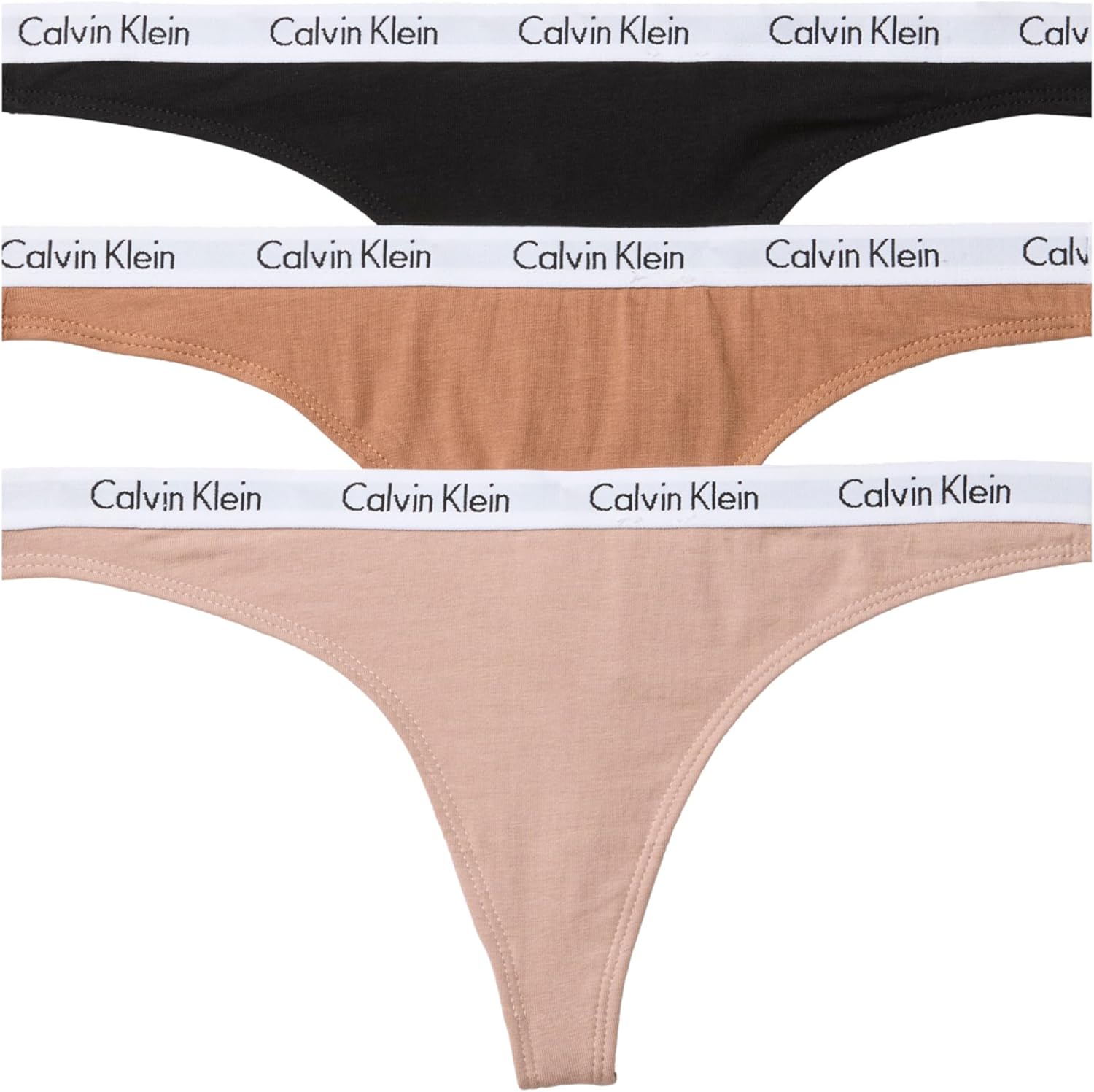


Womens Lingerie Fit Guide: How to Choose Low-Rise, Sheer, and Minimal Underwear for Comfort

Choosing underwear is about more than finding a silhouette you like. The right combination of rise, fabric, construction, and fit can make Womens Lingerie feel comfortable enough for everyday movement while helping you avoid unnecessary pressure, bunching, and friction.
Start With Fit, Not the Size on the Label
Underwear should stay in place without digging into your waist, hips, or groin. Because sizing and stretch can vary between garments, the way a pair fits your body is more useful than relying on the size name alone.
A comfortable fit generally means:
The waistband rests against your body without leaving pronounced pressure marks.
Leg openings do not pinch or continually ride upward.
The garment stays reasonably stable when you walk, sit, and bend.
Fabric does not bunch excessively under clothing.
Seams and edges do not repeatedly rub sensitive areas.
If you constantly need to reposition your underwear, consider trying a different size, rise, cut, or fabric rather than assuming discomfort is unavoidable.
Understanding Low-Rise G-String Construction
A low-rise G-string combines two distinct design choices. "Low-rise" describes where the waistband sits, while "G-string" describes the minimal amount of rear coverage.
A product such as Womens Sheer Knit Low Rise G-String Panties illustrates this combination clearly: a low-rise waist is paired with a minimal G-string silhouette and a knit composition of 90% nylon and 10% spandex.
That construction can be useful when someone wants minimal coverage beneath clothing. The nylon-spandex blend also indicates that stretch is an important part of the garment's fit, although the fiber composition alone cannot tell you exactly how tight or soft a particular pair will feel.
When a Low Rise Makes Sense
Low-rise underwear typically works most naturally with garments that sit lower on the hips. It can also appeal to people who dislike having an underwear waistband extending toward the natural waist.
Consider the relationship between underwear and your outer clothing:
Low-rise jeans or trousers: A lower underwear waistband can remain less visible above the garment.
Body-skimming dresses and skirts: Minimal underwear construction may reduce the amount of fabric underneath the outfit.
Relaxed clothing: Coverage may matter more than invisibility, making briefs or another fuller style worth considering.
Active days: Stability becomes especially important, so test whether a minimal cut stays comfortable during movement rather than judging it only while standing.
Your proportions matter as well. A rise that sits comfortably on one person can land directly on a sensitive pressure point for someone else.
Sheer and Synthetic Fabrics Require a Little More Thought
Nylon and spandex are widely useful in close-fitting garments because they can create lightweight, stretchy constructions. For underwear, however, comfort also depends on breathability, moisture, garment fit, and the material that actually contacts the vulvar area.
The American College of Obstetricians and Gynecologists (ACOG) recommends avoiding tight-fitting underwear and advises underwear with a cotton panel as part of general vulvovaginal care. ACOG also recommends avoiding potentially irritating products such as scented sprays, douches, and perfumed products around the vulva. American College of Obstetricians and Gynecologists
That distinction is useful when evaluating sheer underwear. A lightweight appearance or stretchy synthetic composition does not automatically make a garment the best choice for every person or every situation.
Are G-Strings and Thongs Unhealthy?
The answer is more nuanced than a blanket yes or no.
Cleveland Clinic notes that thongs are not necessarily harmful and cites evidence indicating that thong use itself has not been shown to increase the risk of yeast infections, bacterial vaginosis, or urinary tract infections. However, people who experience recurring vaginal or vulvar problems may benefit from looser, more breathable underwear. Cleveland Clinic
Comfort is therefore an important personal signal. Someone who wears minimal underwear without irritation has a different practical situation from someone who repeatedly experiences rubbing, itching, or soreness.
A Simple Real-World Fit Test
Imagine someone choosing sheer low-rise G-string underwear to wear beneath a fitted evening dress. While standing in front of a mirror, the underwear looks smooth and virtually disappears beneath the outfit.
After sitting for 20 minutes, however, the waistband begins digging into the hips. That is useful information: the visual result works, but the fit does not.
A better test would involve wearing the underwear at home long enough to sit, walk, climb stairs, and bend normally. If a slightly larger size or a different cut stays comfortably positioned while producing a similar appearance beneath the dress, it is the better functional choice.
Match the Underwear to the Day Ahead
Instead of expecting one underwear style to handle every situation equally well, think about what you will actually be doing.
For a short evening out beneath close-fitting clothing, a minimal low-rise style may suit your priorities. For a long travel day, vigorous exercise, hot weather, or a day when your skin is already sensitive, a looser and more breathable option may feel better.
Moisture matters too. ACOG advises changing out of wet clothing promptly after swimming or exercise and recommends cotton underwear as one way to promote airflow. American College of Obstetricians and Gynecologists
Pay Attention to Irritation Rather Than Trying to Tolerate It
Persistent itching, burning, soreness, or pain should not simply be treated as the price of wearing a particular underwear style. Clothing can contribute to irritation through tightness, friction, trapped moisture, irritating dyes, detergents, or other factors.
For people experiencing vulvar discomfort, ACOG recommends measures including avoiding tight-fitting clothing and underwear and choosing cotton underwear. American College of Obstetricians and Gynecologists
Persistent or unexplained symptoms deserve medical evaluation rather than repeated experimentation with hygiene products or self-treatment.
Care Habits Matter Too
Even well-fitting underwear can become less comfortable when combined with irritating laundry or personal-care products.
Useful habits include:
Change into clean underwear regularly, particularly after heavy sweating.
Follow the garment's care instructions.
Make sure detergent is thoroughly rinsed from underwear.
Avoid heavily fragranced products if you notice they irritate your skin.
Change promptly out of damp swimwear or workout clothing.
Avoid using fragranced sprays, deodorants, or douches to compensate for normal body odor.
Gentle care is particularly important for anyone already experiencing vulvar sensitivity. NHS guidance likewise recommends loose-fitting cotton underwear and avoiding potentially irritating scented products when managing vulval discomfort. NHS
Build a Lingerie Drawer Around Situations, Not Just Styles
The most useful lingerie collection does not necessarily contain dozens of designs. It contains enough variety to match different clothing, activities, and comfort needs.
A practical rotation might include breathable everyday underwear, minimal options for fitted clothing, fuller-coverage styles for days when comfort is the priority, and a few sheer or decorative pieces chosen primarily for their aesthetic.
For low-rise sheer G-strings specifically, evaluate three things before making them part of your regular rotation: whether the rise sits comfortably, whether the minimal back remains comfortable during movement, and whether the fabric works well for your skin.
The best next step is simple: assess underwear while moving through real life, not just while looking in the mirror. A flattering silhouette is valuable, but a style that also remains comfortable after several hours is the one that has truly earned its place in your wardrobe.
Sources
American College of Obstetricians and Gynecologists — Vulvovaginal Health
American College of Obstetricians and Gynecologists — Disorders of the Vulva
American College of Obstetricians and Gynecologists — Vaginal Infection Prevention
Cleveland Clinic — How Underwear Impacts Vaginal Health
LuckeLadybug
Noticias
How to Plan a Seamless Trip to Your Final Destination Without Travel Friction


