


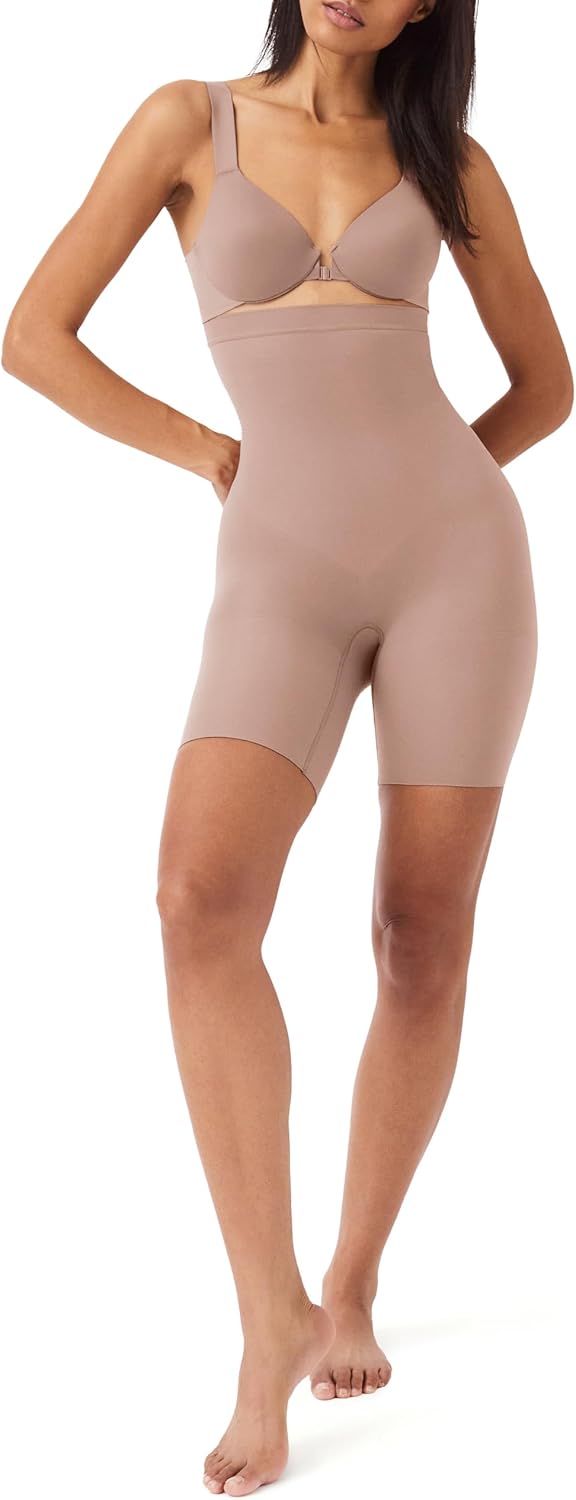


Womens Lingerie and Everyday Layers: How to Build a Comfortable, Polished Wardrobe

Womens Lingerie is often treated as a separate part of the wardrobe, but what you wear over it can make just as much difference to comfort, fit, and confidence. A well-chosen blouse, such as a floral-print long-sleeve style, shows how thoughtful layering can carry an outfit from the first layer through a polished everyday look.
Start With the Relationship Between Lingerie and Clothing
The best foundation garments work with the clothing above them rather than competing with it. Neckline, sleeve length, fabric weight, opacity, and overall fit can all influence which undergarments feel most comfortable beneath a particular outfit.
For a long-sleeve floral blouse, the goal is usually a smooth foundation that lets the printed outer layer remain the visual focus. This approach is especially useful for office, casual, and transitional-season outfits where comfort needs to last for several hours.
Consider three questions before getting dressed:
Does the undergarment sit smoothly beneath the blouse?
Are straps, seams, or edges appearing where you do not want them?
Can you move, sit, reach, and bend comfortably without continually adjusting either layer?
A combination that passes all three tests is usually more useful than one chosen solely for appearance.
Use the Blouse as Your Guide
A floral-print long-sleeve blouse provides a practical example because it combines several wardrobe considerations at once: pattern, coverage, layering, and a relatively polished silhouette.
With a printed blouse, a simple foundation often works particularly well. Elaborate surface details beneath a lightweight top can sometimes create visible texture, while smoother pieces tend to preserve the blouse's intended line.
The blouse's neckline matters too. Before committing to an outfit, check the front, sides, and back in normal standing and seated positions rather than judging the combination from the front of a mirror alone.
Fit Matters More Than the Size Printed on the Label
Two garments carrying the same nominal size can fit very differently. Cut, stretch, fabric construction, and individual proportions all affect the result, so the label should be treated as a starting point rather than a guarantee.
For lingerie, pay particular attention to:
Bands that remain secure without painfully digging into the skin.
Straps that stay in place without carrying excessive pressure.
Cups or panels that lie smoothly rather than creating obvious gaps or compression.
Leg openings and waistbands that allow normal movement.
Seams that remain comfortable after sitting for an extended period.
Then test the outer garment over the foundation. A blouse that fits well by itself may behave differently when layered, particularly around the bust, shoulders, armholes, and button or opening areas.
A Simple Real-World Layering Test
Imagine someone choosing an outfit for a full day that includes commuting, desk work, lunch, and an informal evening appointment. She selects a floral long-sleeve blouse because its pattern supplies enough visual detail that the rest of the outfit can remain relatively simple.
Instead of judging the lingerie and blouse separately, she tests them together. She sits at a desk, raises her arms, reaches forward, and puts on any jacket or cardigan she expects to wear.
That brief test can reveal problems that are easy to miss while standing still: a strap that slips, a band that becomes uncomfortable while seated, or a blouse that pulls when reaching forward. Changing one layer before leaving home can make the entire outfit easier to wear.
Pay Attention to Fiber and Care Information
Garment labels contain genuinely useful information. The U.S. Federal Trade Commission explains that most covered textile products carry fiber-content information, while its Care Labeling Rule requires covered clothing to provide regular care instructions. Federal Trade Commission
Check the label rather than assuming that two visually similar garments should be washed identically. Decorative elements, different fibers, construction methods, and dyes can affect appropriate care.
A sensible routine is:
Read the fiber and care labels before the first wash.
Follow the stated washing, drying, and ironing directions.
Fasten hooks or other closures when appropriate to reduce snagging.
Separate delicate pieces when their care instructions call for gentler handling.
Make sure garments are completely dry before storing them.
The FTC notes that care instructions are intended to provide a regular cleaning procedure that can be followed without substantially harming the garment. Federal Trade Commission Care Labeling Rule
Consider Your Skin as Well as Your Outfit
Comfort is not purely a matter of fit. Dyes, fabrics, metals, laundry products, and other substances that contact the skin can sometimes contribute to irritation or contact dermatitis.
The American Academy of Dermatology advises that clothing materials and dyes can be potential triggers and recommends washing new clothing before wearing it when contact dermatitis is a concern. American Academy of Dermatology
That advice can be especially relevant to lingerie because these garments spend long periods directly against the skin. If you repeatedly develop itching, redness, blistering, or another persistent reaction, stop using the suspected item and consider seeking advice from a dermatologist rather than repeatedly exposing the area.
Build Outfits From the Inside Out
One of the easiest ways to make Womens Lingerie more functional is to stop choosing it in isolation. Think of the foundation garment, blouse, trousers or skirt, and optional outer layer as one clothing system.
For example, a floral long-sleeve blouse already provides a strong visual element. Pairing it with a relatively unobtrusive foundation can keep the silhouette clean, while simple trousers, a skirt, or another understated bottom prevents competing details from overwhelming the print.
For colder weather, add warmth primarily through removable outer layers rather than assuming the lingerie itself must do all the work. This gives you more flexibility as indoor and outdoor temperatures change.
Create a Small Foundation Wardrobe That Solves Real Problems
A useful lingerie drawer does not have to contain a different piece for every outfit. A smaller selection built around your actual wardrobe can often handle everyday needs more effectively.
Think in terms of functions: a smooth option for lighter tops, a comfortable everyday choice, something appropriate for lower or different necklines, and any specialized pieces genuinely required by the clothes you regularly wear.
Then look at your most frequently worn shirts, blouses, dresses, and knitwear. If a lingerie piece works comfortably beneath several of them, it is performing a valuable wardrobe role.
Make Comfort the Final Test
An outfit can look excellent for thirty seconds in front of a mirror and still become frustrating after three hours. The more useful test is whether you can largely forget about your clothing once you start your day.
For a floral long-sleeve blouse or any similar everyday top, choose lingerie that supports the intended silhouette without creating constant pressure, slipping, bunching, or adjustment. Follow the garment labels for care, and pay attention to any recurring skin irritation.
The practical next step is simple: choose three tops you wear frequently and test each with your current foundation garments while sitting, walking, reaching, and layering. The combinations that remain comfortable and smooth through that test are the ones worth building your everyday wardrobe around.
Sources
Federal Trade Commission — Apparel and Labeling
Federal Trade Commission — Care Labeling Rule
American Academy of Dermatology — Contact Dermatitis and Clothing
American Academy of Dermatology — Contact Dermatitis Management Tips
LuckeLadybug
Noticias
How to Plan a Seamless Trip to Your Final Destination Without Travel Friction


