



The Ultimate Guide to Finding the Perfect Leggings for Every Activity

Leggings have transcended their origins as simple gym attire to become a foundational piece in modern wardrobes. Whether you are holding a complex yoga pose, pounding the pavement during a morning run, or simply running errands, the right pair of leggings can drastically improve your comfort and performance. Understanding fabric technology, fit, and functionality is essential for building a versatile and reliable activewear collection.
The Evolution of Activewear Fabrics
The transition of athletic wear from bulky sweatpants to sleek, second-skin garments is rooted in textile innovation. Today's materials are engineered to offer a delicate balance of compression and breathability.
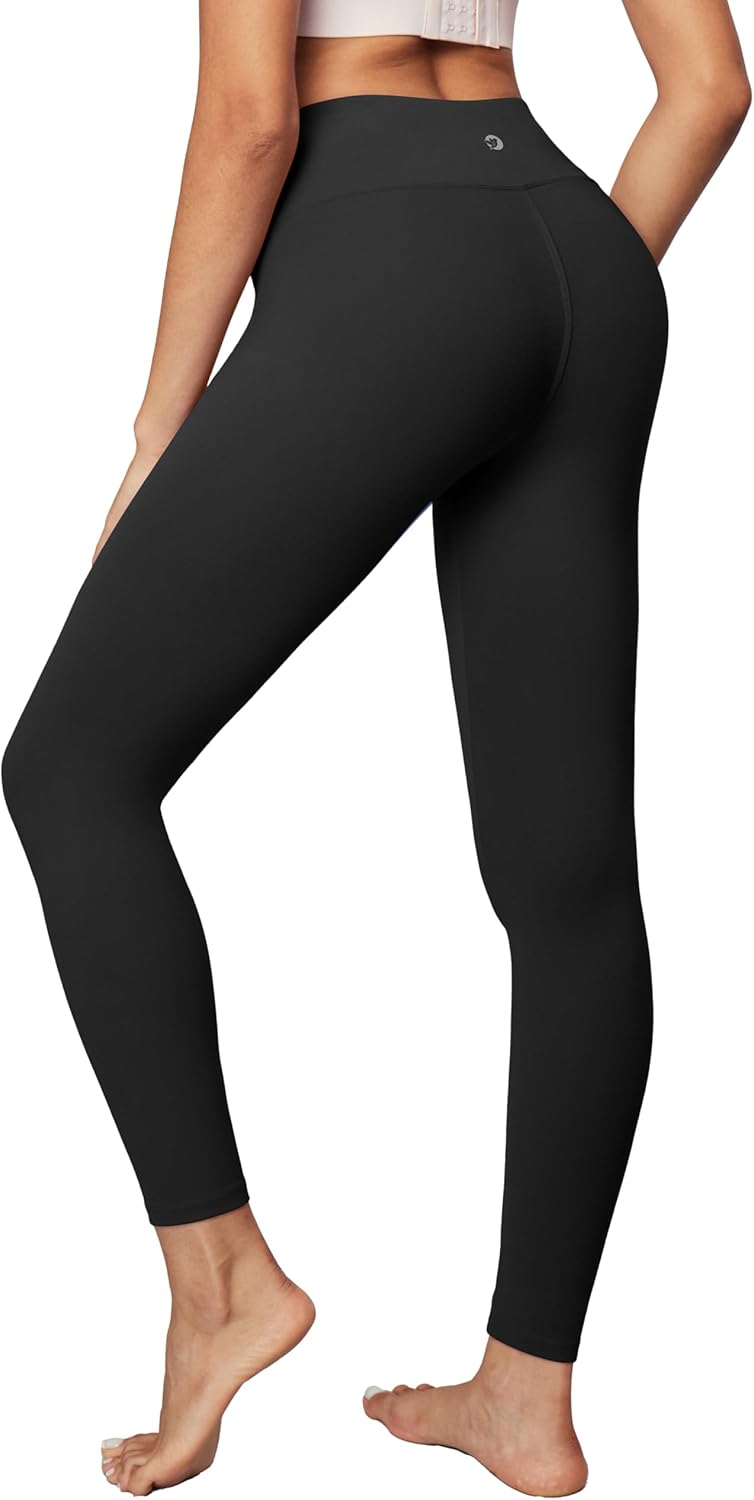
Modern fabric engineering has led to the development of specialized activewear, such as High Waist Naked Feeling Fitness Running Yoga Leggings. These garments are designed to mimic the natural stretch of the human body. The "naked feeling" trend relies on ultra-fine microfiber blends—typically a high percentage of nylon mixed with elastane or spandex. This combination provides a weightless sensation while still delivering enough opacity and structure to function as everyday wear.
Key Features to Look For
When evaluating activewear for intense physical activities, consider the following technical elements:
Four-Way Stretch: The fabric must stretch both crosswise and lengthwise to allow for deep squats and lunges without sagging or losing its shape.
Moisture-Wicking: Synthetic fibers like polyester and nylon pull sweat away from the skin to the garment's surface, where it can evaporate quickly, preventing chafing and regulating body temperature.
Gusseted Crotch: A diamond-shaped piece of fabric sewn into the crotch area reduces stress on the seams and enhances the range of motion, which is crucial for flexibility training and martial arts.
High-Waisted Design: A high waistband provides core support, prevents the fabric from rolling down during high-impact movements, and offers a flattering silhouette.
Real-World Case Study: The Transition from Studio to Street
Consider the daily routine of a hybrid athlete. A case study involving runners transitioning to low-impact recovery exercises—like Pilates or Hatha yoga—highlighted the need for adaptable clothing. Runners traditionally favor high-compression gear to stabilize muscles and reduce fatigue. However, highly compressive fabrics can feel restrictive during yoga, where deep diaphragmatic breathing and extreme flexibility are required.
By switching to "naked feeling" energy gym tights, these athletes found they could comfortably complete a 10-kilometer run and transition immediately into a 45-minute stretching routine without needing to change clothes. The high-waisted cut ensured the garment stayed in place during high-impact strides, while the lightweight, unrestrictive fabric accommodated maximum joint mobility.
Fabric Care and Maintenance
To extend the lifespan of your activewear and maintain that seamless stretch, proper laundering is essential. The elastane fibers that give garments their signature stretch are highly sensitive to heat and harsh chemicals.
Wash in Cold Water: Always use cold or lukewarm water to prevent the breakdown of elastic fibers.
Avoid Fabric Softeners: Softeners coat the fibers, which destroys their moisture-wicking capabilities and traps odors.
Air Dry: Never put stretch fabrics in the dryer. The high heat can melt the spandex, leading to sagging and loss of compression. Lay them flat on a drying rack instead.
The Future of Everyday Activewear
As the lines between athletic apparel and casual wear continue to blur, functionality remains paramount. By understanding the specific needs of your workout and lifestyle, you can choose garments that elevate your performance and keep you comfortable throughout the day. Investing in versatile, high-quality pieces ensures that you are always prepared, whether you are stepping into the gym or heading out for a casual afternoon.
Sources
American Council on Exercise
Textile Exchange
The New York Times - Fashion & Style
LuckeLadybug
Noticias
mcdonald's: Navigating Nutrition Facts: What Goes Into Everyday Menu Choices


