




The Ultimate Guide to Choosing the Perfect Sunglasses for Health and Style

When stepping out on a bright day, grabbing a pair of Sunglasses is often a reflex action driven by the need to see comfortably. However, these essential accessories serve a much more critical function than simply reducing glare or completing a stylish outfit. They are a frontline defense against long-term ocular damage. Understanding the science of eye protection, the nuances of lens technology, and the impact of frame materials can help consumers make informed decisions that benefit both their health and their daily comfort.
The Science of UV Protection
The primary medical purpose of eyewear is to protect the eyes from Ultraviolet (UV) radiation. Extended exposure to the sun's invisible UV rays can lead to several severe eye conditions.
UVA Rays: These rays can pass through the cornea and reach the lens and retina. Long-term exposure is linked to the development of certain types of cataracts and may play a role in macular degeneration.
UVB Rays: These rays are mostly absorbed by the cornea and lens but are responsible for photokeratitis (essentially a sunburn of the eye), which can cause temporary vision loss and intense pain.
To adequately protect the eyes, health professionals recommend eyewear that blocks 99% to 100% of both UVA and UVB rays. According to the American Academy of Ophthalmology, wearing broad-spectrum eye protection year-round, even on cloudy days, is critical for long-term vision health.
Frame Materials and Face Shapes
Beyond lenses, the construction of the frame significantly impacts durability, weight, and comfort. Manufacturers utilize various materials ranging from heavy-duty plastics and acetates to lightweight metals.
A notable trend in durable, everyday eyewear is the use of metal alloys. For instance, alloy oval sunglasses for men and women have emerged as a highly practical choice. The alloy construction provides a high strength-to-weight ratio, meaning the frames are resilient against bending and breaking while remaining light enough to prevent pressure headaches during extended wear.
Additionally, the oval shape is exceptionally versatile. Oval frames tend to soften sharp, angular facial features, making them a universally flattering, unisex option that blends structural durability with timeless aesthetics.
Lens Technologies: Enhancing Daily Life
While UV protection is non-negotiable, additional lens technologies can drastically alter how we interact with our environment.
Polarized Lenses
Polarization is a chemical treatment applied to lenses to filter out horizontal light waves.
Real-World Case Study: Consider long-distance truck drivers or avid boaters. When sunlight bounces off flat surfaces like a wet highway or a calm lake, it creates an intense, blinding glare. Traditional tinted lenses only darken this glare, but polarized lenses actively block the horizontal light waves. Studies and field reports from automotive safety experts frequently highlight that polarized lenses improve driver reaction times by eliminating temporary blindness caused by road glare.
Photochromic Lenses
Also known as transition lenses, these automatically darken in the presence of UV light and become clear indoors. They are highly useful for individuals who frequently move between indoor and outdoor environments, offering seamless visual comfort without the need to switch between different pairs of glasses.
Care and Maintenance
To ensure your eyewear remains effective and scratch-free, proper maintenance is essential:
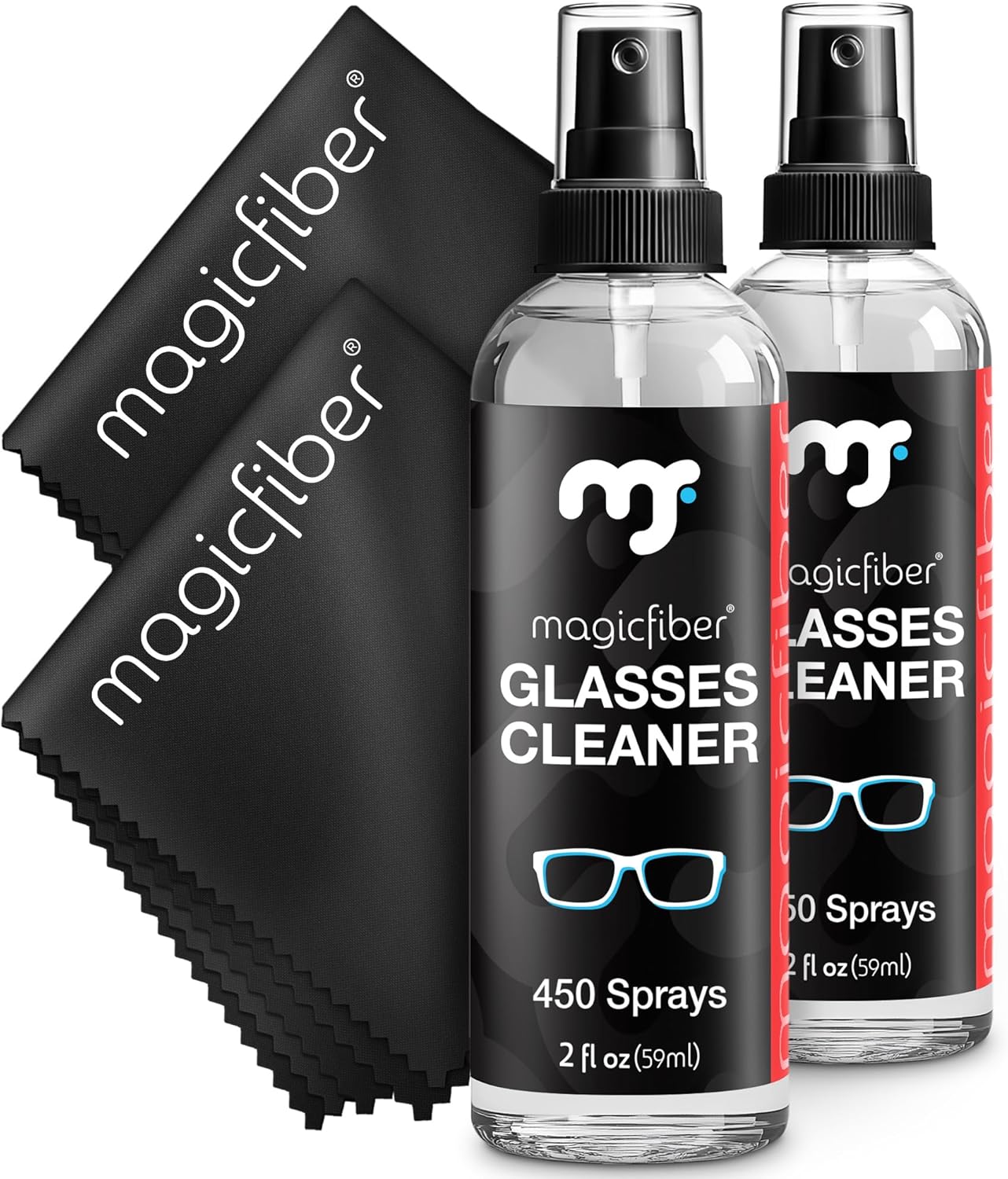
Use Microfiber: Always clean lenses with a dedicated microfiber cloth. Clothing materials like cotton or polyester can contain microscopic abrasive fibers that permanently scratch lens coatings.
Avoid Harsh Chemicals: Do not use household glass cleaners. The ammonia and bleach in these products can strip away polarization and anti-reflective coatings. Use dedicated optical sprays or mild dish soap with lukewarm water.
Proper Storage: When not on your face, glasses should always be kept in a hard-shell case to prevent structural warping of the frames.
Sources
American Academy of Ophthalmology
World Health Organization (WHO) - UV Radiation
The Skin Cancer Foundation - Sun Protection
LuckeLadybug
Noticias
Essential Earthquake Readiness: Practical Steps to Protect Your Home and Family


