
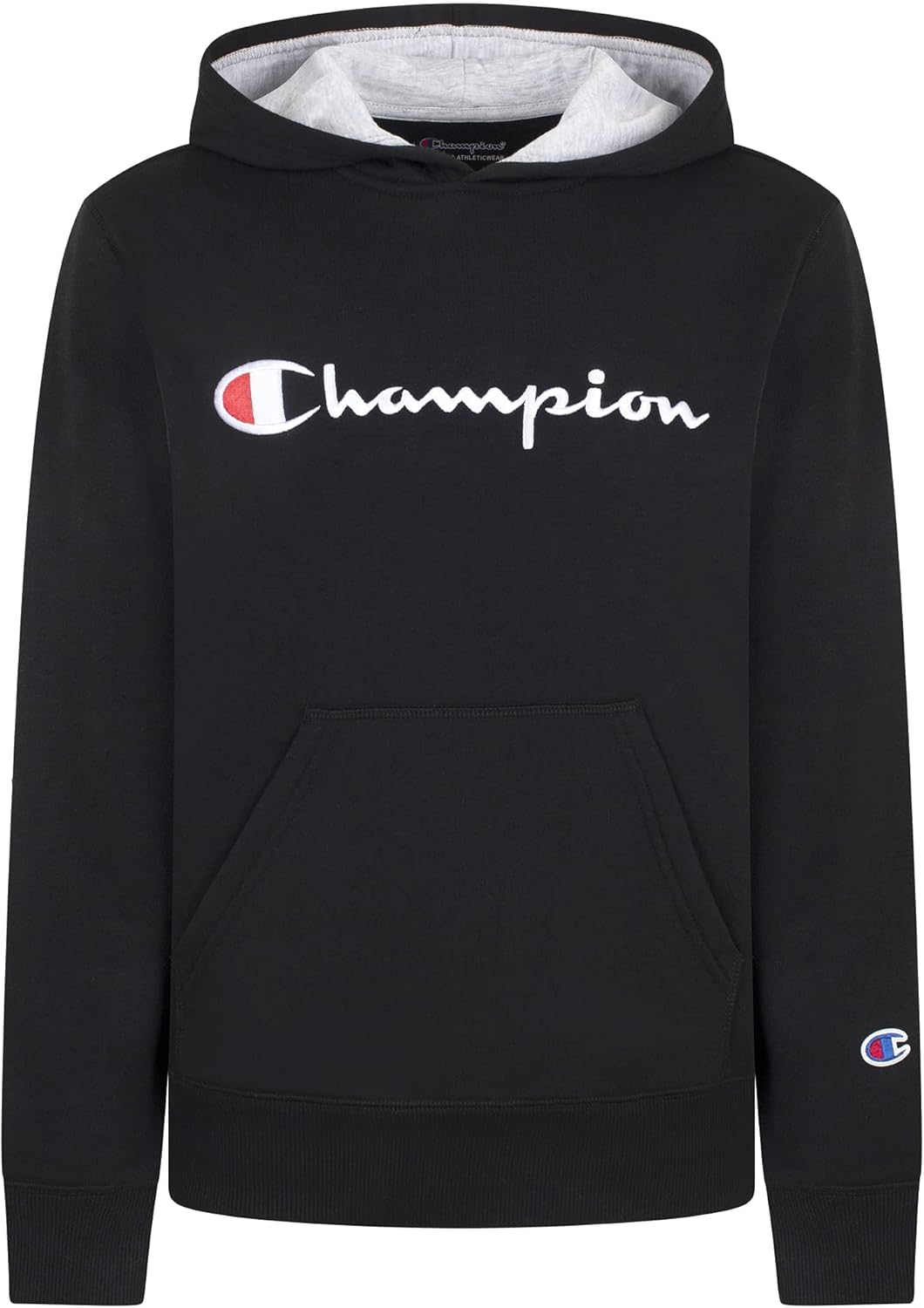
Products we think you may like.


The Ultimate Guide to Choosing Comfortable, Durable, and Stylish Hoodies for Children

When it comes to building a versatile, everyday wardrobe for children, few garments are as universally loved and practical as Hoodies. From chilly autumn mornings to breezy spring afternoons, these cozy layers provide the ideal balance of warmth, freedom of movement, and casual style. However, selecting the right garment involves looking beyond basic aesthetics to consider fabric composition, structural integrity, and daily wearability.
Understanding what makes a quality youth sweatshirt ensures that children remain comfortable, protected, and free to explore their environments without restriction.
The Evolution of Kids' Casual Outerwear
The humble hooded sweatshirt has transitioned from a specialized athletic garment into a staple of modern youth fashion. Today's apparel incorporates creative design elements—ranging from playful graphics to typographic prints—allowing kids to express their personalities through what they wear.
For instance, items like the Kids Floral Letter Print Cute Casual Pullover Hoodie demonstrate how contemporary casual wear blends artistic typography with botanical motifs, making functional clothing visually engaging for young wearers. Beyond aesthetics, the integration of structured hoods and soft fleece interiors offers practical microclimate regulation, shielding children from sudden drops in temperature during outdoor activities.
Fabric Science: Balancing Comfort and Durability
Children are notoriously hard on their clothing. Playground equipment, arts and crafts projects, and frequent laundering mean that garments must withstand rigorous physical stress. When evaluating fabrics for youth apparel, textile experts generally look at how different fibers perform under pressure:
RushOrderTees
Natural Fibers (Cotton): Highly breathable and exceptionally gentle against sensitive skin, reducing the risk of chafing or heat rashes.
Synthetic Fibers (Polyester): Offers superior tensile strength, wrinkle resistance, and moisture-wicking capabilities, ensuring the garment retains its shape after multiple wash cycles.
KidsBlanks
Blended Fabrics: Combining cotton and polyester creates a balanced textile that provides the soft feel of natural fibers alongside the long-lasting resilience of synthetics.
Macpacmart
According to safety and textile guidelines outlined by consumer product organizations, ensuring that dyes are non-toxic and fabrics meet local safety regulations is paramount for children's wear. Breathable cotton-rich blends or fleece linings help maintain optimal thermal comfort without causing overheating during high-energy play.
Real-World Case Study: Seasonal Transition Wardrobes
Consider a practical scenario involving a child transitioning from indoor classroom environments to outdoor recess during the unpredictable weather of spring or autumn. A standard long-sleeve t-shirt may not provide enough warmth against brisk winds, while a heavy winter coat can cause restriction and excessive sweating.
In this case study, a lightweight pullover sweatshirt serves as the ideal middle layer. The inclusion of a hood provides instantaneous, adjustable defense against sudden gusts of wind or light mist, while the relaxed fit allows for unrestricted arm movement during sports or climbing. Parents and caregivers often find that versatile layering pieces reduce the need for constant wardrobe changes throughout the day, streamlining daily routines.
Key Factors to Check Before Selecting Youth Apparel
To maximize both longevity and user satisfaction, keep the following considerations in mind:
Seam Construction: Look for reinforced stitching around high-stress areas like the shoulders, cuffs, and pocket attachments to prevent fraying.
Hardware and Accents: Ensure any drawstrings comply with safety standards (or opt for drawstring-free designs for younger children) to eliminate potential hazards.
Ease of Maintenance: Check textile care labels to ensure the garment can withstand machine washing and drying without shrinking or fading prematurely.
By prioritizing thoughtful design, safe materials, and functional versatility, everyday wardrobe choices can successfully combine practicality with modern youth fashion.
Sources
Children's Clothing Safety & Design Standards
Cotton vs Polyester for Kids Fabric Guide
How to Choose the Right Fabrics for Kids
LuckeLadybug
Noticias
Understanding Masoud Pezeshkian: The Heart Surgeon Shaping Iran’s Global Trajectory


