
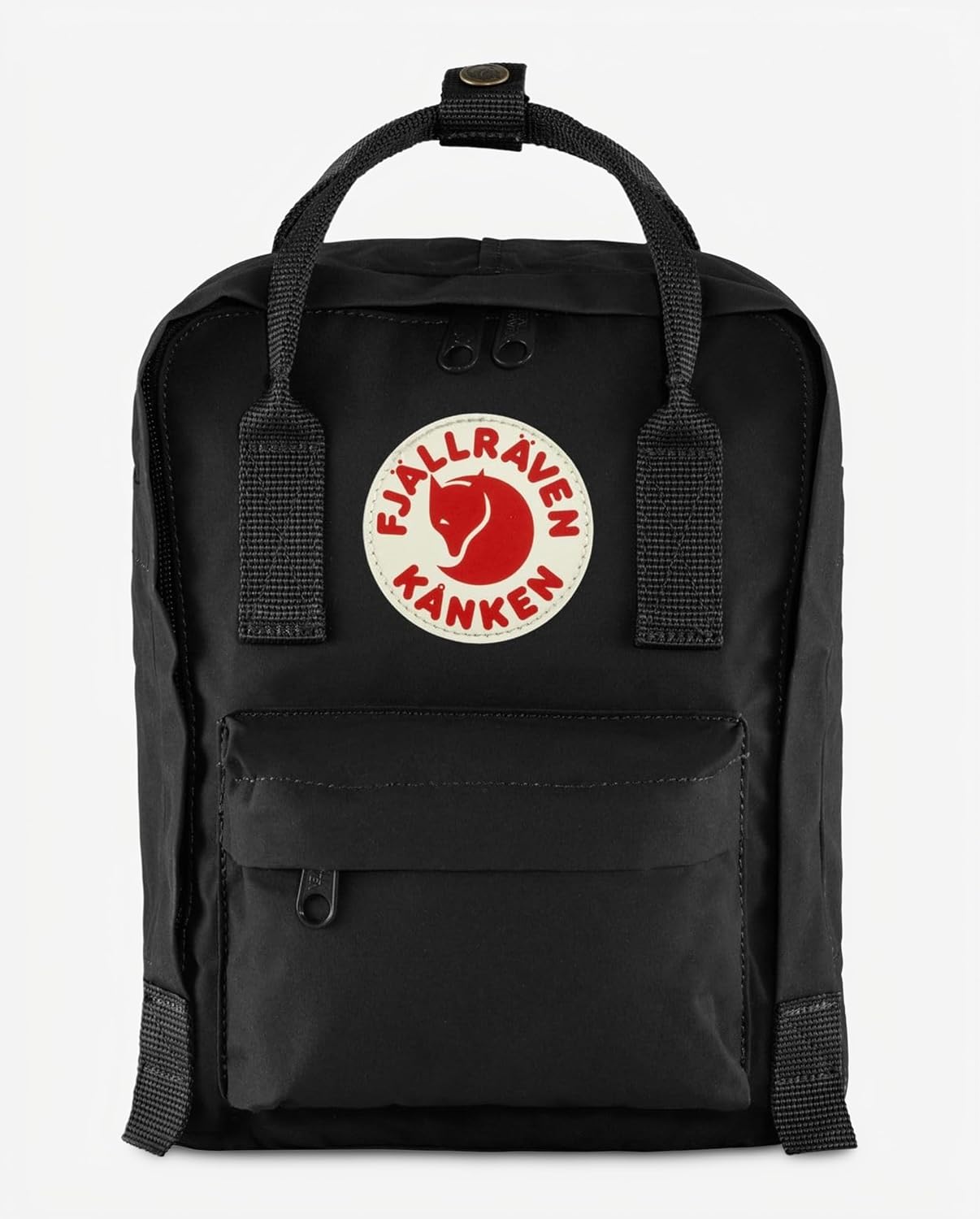
Products we think you may like.


The Ultimate Guide to Choosing and Wearing Backpacks for Family Adventures

Backpacks
This article explores Backpacks, including its background, practical context, and real-world significance.
Selecting the right gear for family travel transforms a chaotic journey into an organized, enjoyable experience. Whether navigating airport terminals, heading out on a weekend nature hike, or preparing for daily preschool routines, investing in ergonomic, durable, and thoughtfully designed carrying gear is essential. This guide explores the principles of proper load distribution, ergonomic health, material selection, and how matching parent-child travel solutions foster independence and excitement in young travelers.
The Importance of Ergonomics in Family Travel
When children and adults carry luggage, spinal alignment and weight distribution play critical roles in preventing fatigue and long-term discomfort. According to the American Chiropractic Association, a pack should never weigh more than 10 percent of a child's body weight. Exceeding this limit forces children to lean forward, straining their neck, shoulders, and lower back.
For growing bodies, proper fit is just as important as total weight. The top of the pack should sit about one to two inches below the shoulder blades, and the bottom should rest snugly in the curve of the lower back rather than sagging toward the hips. Adjustable, padded shoulder straps help distribute weight evenly across both shoulders, preventing asymmetrical muscle strain.
Material Selection: Durability Meets Comfort
Choosing the right fabric impacts both the longevity and the daily comfort of travel gear. Natural fibers like breathable cotton canvas offer softness and gentle contact against sensitive skin, making them ideal for younger children's daily use. Meanwhile, reinforced stitching and durable linings ensure that everyday wear and tear—from school corridors to rugged outdoor trails—does not compromise structural integrity.
When evaluating construction quality, look for features such as:
- Reinforced stress points at strap attachments
- Smooth, snag-free heavy-duty zippers suitable for small hands
- Breathable mesh backing panels that reduce heat buildup during extended wear
- Easy-to-clean interior linings that withstand spills and everyday messes
Fostering Independence with Matching Gear
Introducing children to their own travel gear builds a sense of personal responsibility and excitement for upcoming journeys. Coordinating accessories—such as the Parent and Child Kids Cotton Travel Backpack—allow families to share a cohesive aesthetic while giving children ownership over packing their personal items like favorite books, snacks, or comfort items.
Child-sized designs with lightweight cotton constructions ensure that toddlers and kindergarteners can comfortably carry their belongings without feeling overburdened. When children actively participate in carrying their own lightweight essentials, travel becomes a collaborative, engaging adventure rather than a chore.
Smart Packing Strategies for Parents and Children
Effective packing minimizes clutter and ensures quick access to essentials during transit. Organizing items logically prevents uneven weight shifts that can throw off balance.
- Heavy Items First: Place dense items like water bottles or extra layers closest to the back panel to keep the center of gravity stable.
- Compartment Utilization: Use external pockets for quick-access items such as tissues or small toys, leaving the main compartment for bulkier items.
- Involve the Child: Let young children choose one or two comfort items to pack themselves, fostering decision-making skills and emotional security away from home.
To learn more about child postural health and carrying safety guidelines, visit the American Academy of Pediatrics and the American Chiropractic Association.
Sources
LuckeLadybug
Noticias
Breaking Through: The Rise of Professional Tennis Standout yunchaokete bu


