
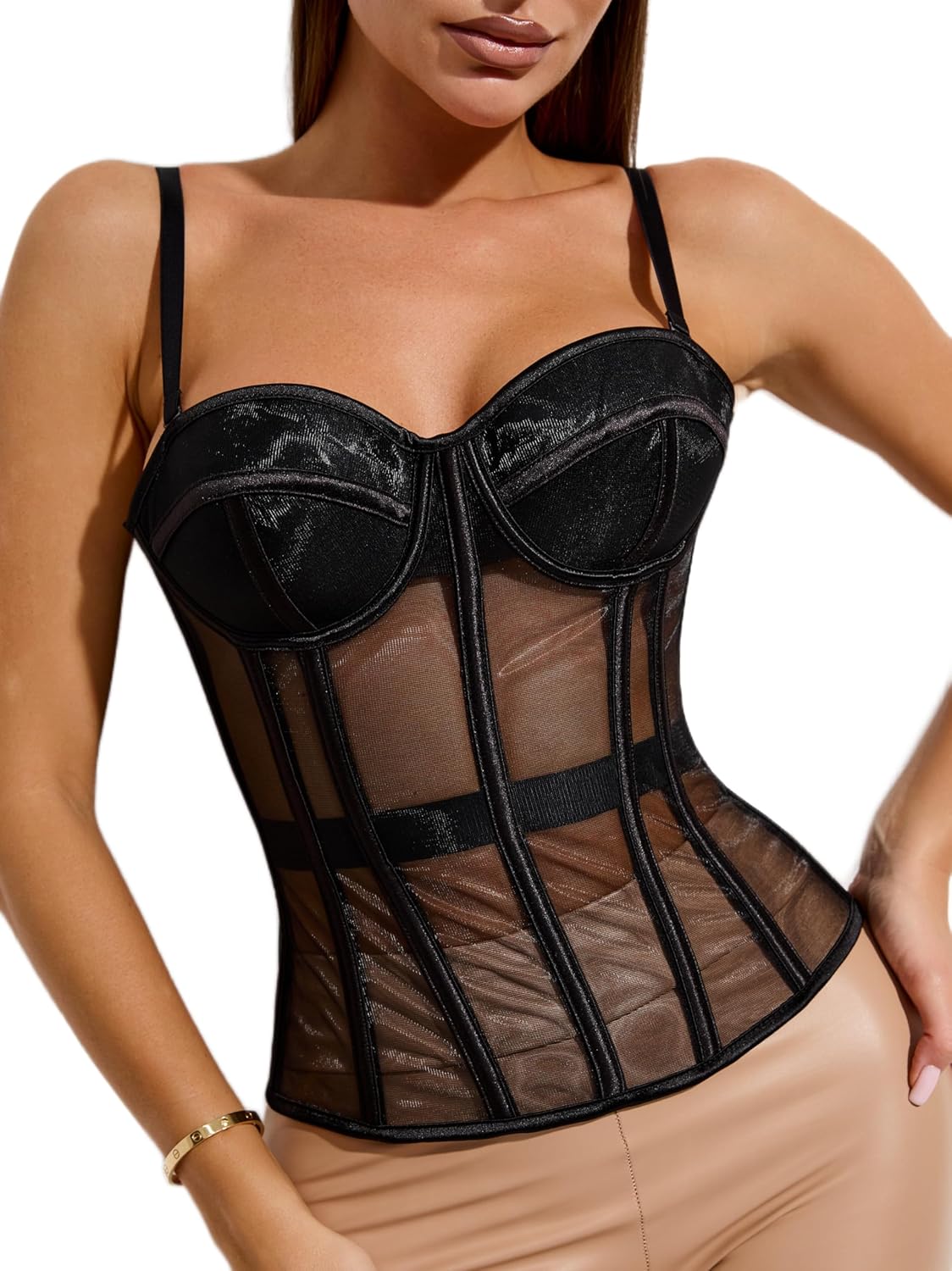


The Timeless Evolution and Artistry of Corsets in Modern Wardrobes

Few garments carry as much cultural baggage, historical intrigue, and sartorial staying power as corsets. Long misunderstood by popular culture as mere instruments of restriction, structured bodice-wear has continually reinvented itself over centuries. From the rigid whalebone stays of the Victorian era to contemporary styling expressions, these garments have transitioned from hidden foundational layers to celebrated statement pieces.
Explore the Archive
Understanding how structural design, fabric technology, and heritage craftsmanship intersect helps shed light on why these pieces remain a captivating staple in modern wardrobes.
Historical Foundations and Evolution
The lineage of structured torso garments spans hundreds of years, evolving alongside shifting societal ideals of the silhouette.
V&A
The Regency Era: Moving away from the heavily stiffened conical shapes of previous centuries, Regency-era stays focused on lifting and separating the bust rather than extreme waist compression.
Smithsonian Magazine
The Victorian and Edwardian Periods: This era introduced heavily boned silhouettes utilizing steel and busk fastenings. Contrary to common myths, historical research notes that everyday working and upper-class women wore these garments as standard undergarments—much like modern foundational wear—allowing them to move, work, and manage households.
Victoria and Albert Museum
+ 1
The Modern Revival: In contemporary contexts, rigid under-layers have given way to expressive outerwear, where craftsmanship and textile art take center stage.
According to historical clothing analyses maintained by cultural institutions like the Victoria and Albert Museum, underwear and structured garments have always served a dual purpose: providing physical support while reflecting the aesthetic values of their time.
Antiques And The Arts Weekly
Contemporary Design and Material Innovation
Modern variations of traditional bodice design emphasize flexibility, decorative artistry, and lightweight construction. Rather than relying solely on heavy steel components, contemporary pieces often incorporate soft satins, intricate floral laces, and front-zipper configurations that combine ease of wear with high visual texture.
A prime illustration of this blend of classic detailing and modern textile choice is the Women Floral Lace - Up Satin Overbust Corset Bustier Top. This specific configuration highlights several core design elements common in modern styling:
Overbust Architecture: Designed to cover and support the chest entirely, providing a complete structural bodice line.
Textured Contrast: Utilizing smooth, glossy satin juxtaposed with delicate floral lace overlays to create depth and visual contrast.
Adjustable Lacing and Fastening: Integrating traditional back lacing with modern front closures, balancing classic adjustability with functional convenience.
Styling and Integration Case Studies
To appreciate how structural bodices function in real-world styling, consider two distinct wardrobe applications:
The Layered Statement Look: Pairing a structured overbust satin and lace top over a crisp, oversized button-down shirt. This approach contrasts sharp tailoring with soft, defined lines, creating a balanced silhouette suitable for creative workspaces or urban excursions.
Evening and Formal Ensembles: Wearing an intricate lace-up bustier as a standalone centerpiece paired with high-waisted wide-leg trousers or a flowing maxi skirt. This highlights the waist organically while letting the textile details—such as floral embroidery and sheen—serve as the primary focal point.
Scholarly resources such as the Fashion History Timeline at FIT document how late 20th-century designers like Vivienne Westwood and Jean Paul Gaultier famously brought innerwear out into the open, transforming structural garments into high-fashion centerpieces. This legacy lives on in everyday styling choices today.
Fashion History Timeline - Fashion Institute of Technology
Caring for Structured Garments
Because structured tops often feature delicate textiles like satin, lace, and internal boning channels, proper maintenance is essential to preserve their longevity:
Storage: Always store flat or hung carefully to avoid warping the internal boning structure.
Cleaning: Spot clean when possible or hand wash gently in cold water to protect synthetic or delicate fibers. Avoid machine wringing, which can distort the framework.
By appreciating the rich history, technical construction, and versatile nature of corsets, wearers can better understand and style these enduring pieces with confidence and care.
Sources
Victoria and Albert Museum
Fashion History Timeline at FIT
LuckeLadybug
Noticias
Navigating Legal Fallouts: Understanding the High-Stakes Consequences Facing Diddy


