



The Anatomy of Durability: What Makes Cowhide Leather Handbags Last a Lifetime

Handbags
This article explores Handbags, including its background, practical context, and real-world significance.
Selecting a reliable everyday carry involves more than matching surface aesthetics to an outfit. Long-term satisfaction relies heavily on the structural integrity of the material, internal fiber density, and how well construction methods handle daily wear. When evaluating premium accessories, understanding the natural composition of cowhide leather offers practical insight into why certain pieces endure decades of heavy use while others degrade within seasons.
Understanding Leather Grades and Structural Resilience
The raw hide of a cow is naturally thick and dense, requiring careful splitting and processing before it can be transformed into fashion accessories. The tier of the hide used dictates the overall lifespan, tear resistance, and aging characteristics of the finished item.
Popov Leather
Full-Grain Cowhide: Retains the complete, uncorrected outer layer of the hide. Because the natural grain and tight collagen fibers remain intact, it provides exceptional tensile strength and naturally resists moisture. Over time, full-grain pieces develop a rich patina rather than showing structural breakdown.
Lalage Beaumont
+ 2
Top-Grain Cowhide: Undergoes light sanding or buffing on the surface to eliminate minor blemishes, followed by an artificial grain finish. This offers a uniform look and smooth texture, though it slightly reduces the density of the outer fiber layer.
Dooney & Bourke
+ 1
Split and Bonded Alternatives: Derived from the lower layers of the hide or compressed leather scraps mixed with synthetic binders. These lack the deep fibrous matrix of top or full-grain cuts and are prone to surface cracking or delamination under stress.
Popov Leather
+ 1
Real-World Performance: The Casual Cowhide Shoulder Crossbody
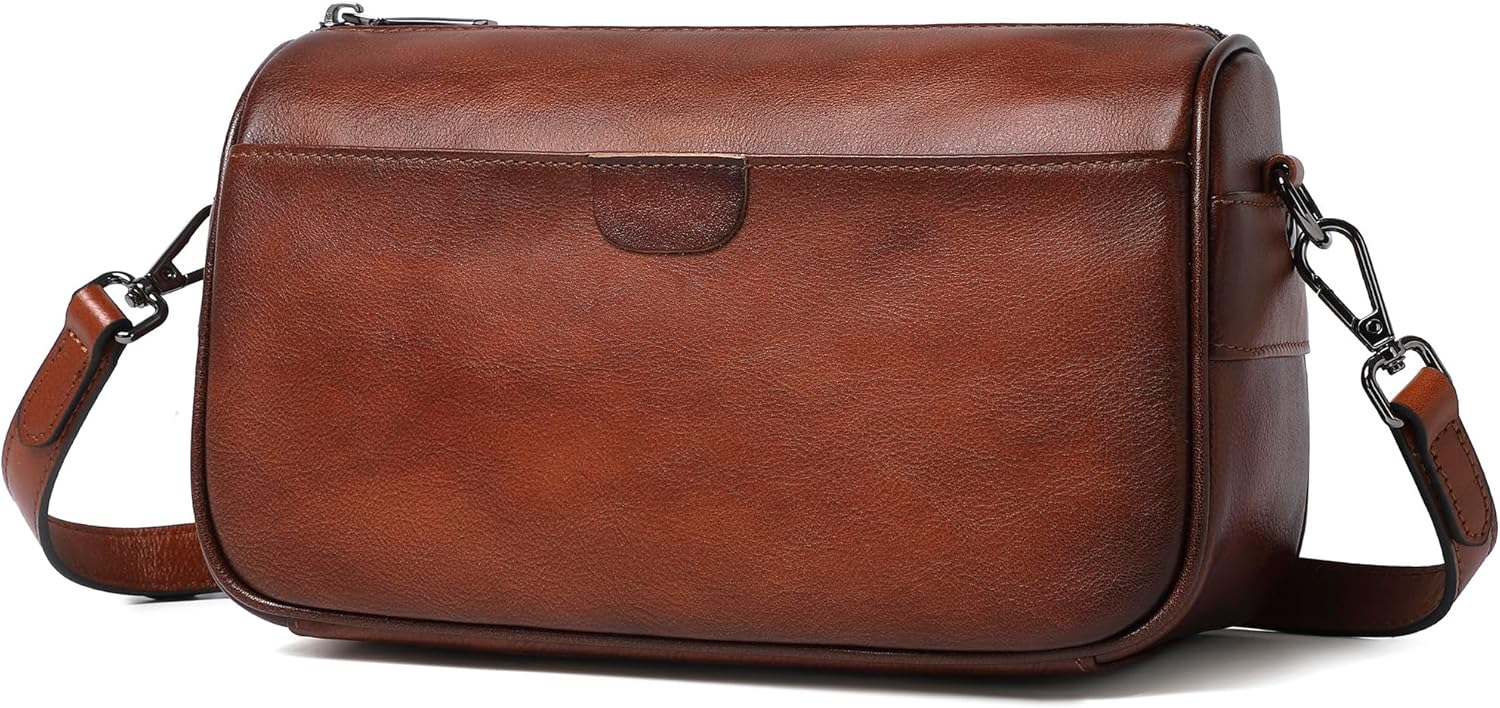
Consider the functional engineering behind a classic design like the Designer Cowhide Leather Casual Shoulder Crossbody Bag. Daily carry items subjected to shifting weights, constant friction against clothing, and variable weather conditions require more than superficial appeal.
When crafted from high-capacity cowhide leather, a structured crossbody distributes weight evenly across its primary panels and reinforced strap anchors. Cowhide naturally balances flexibility with rigidity, allowing the silhouette of a casual shoulder bag to relax with use without losing structural composure. The dense dermal fibers absorb natural skin oils and environmental elements slowly, ensuring that frequent contact points—such as strap adjustments and flap closures—gain character instead of weakening.
Best Practices for Longevity and Maintenance
Even the highest-grade leather requires minimal, consistent upkeep to prevent premature environmental decay. Implementing routine maintenance habits protects the natural investments made during manufacturing.
Moisture Management: If a leather bag encounters rain, gently blot excess moisture with a clean microfiber cloth and allow it to dry naturally at room temperature. Avoid artificial heat sources like radiators or hair dryers, which strip natural oils and cause brittleness.
Bagsrain
+ 1
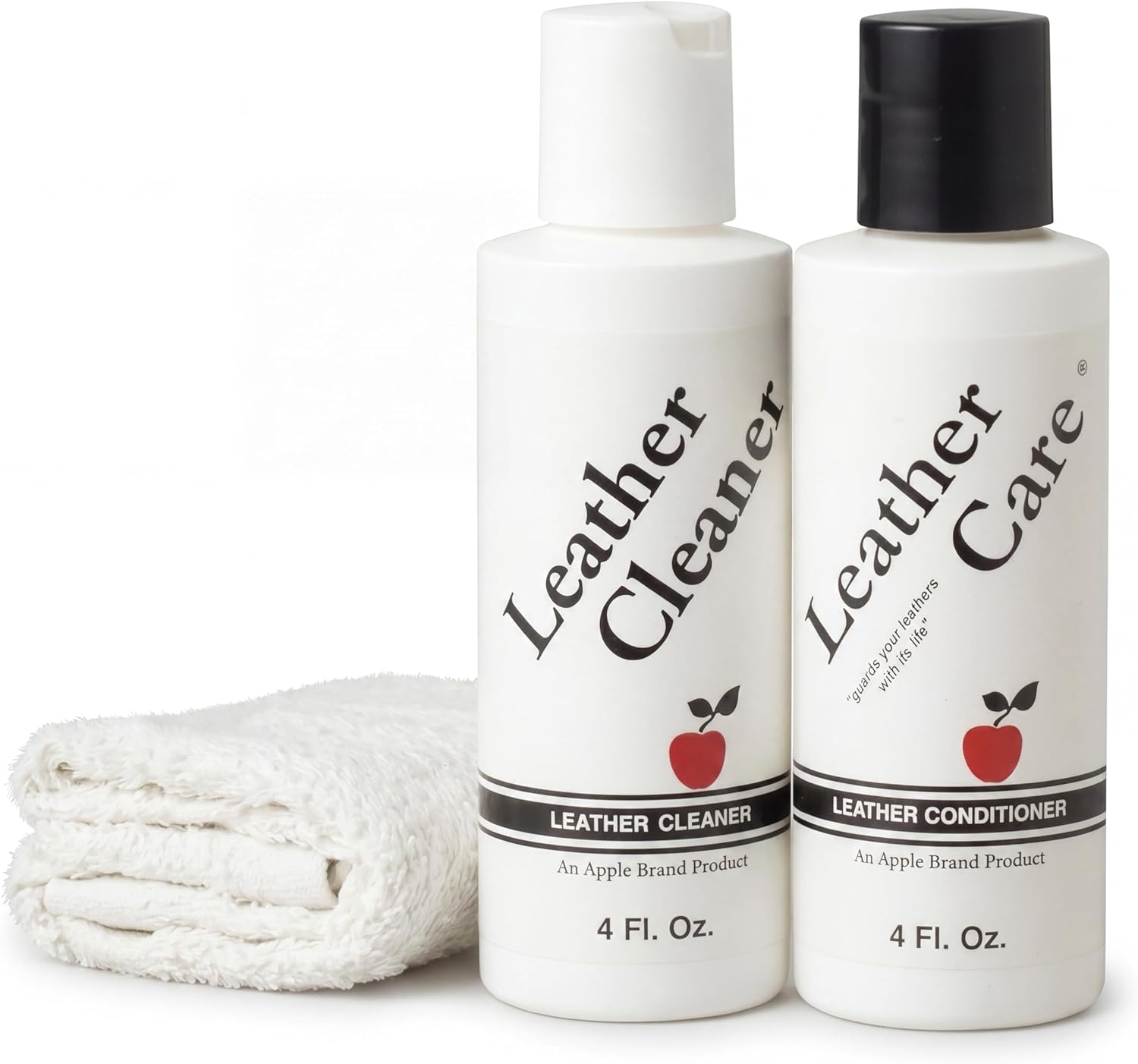
Periodic Conditioning: Apply a neutral leather cream or conditioner every few months to replenish lost moisture, maintain suppleness, and preserve tear resistance.
Tingit
Proper Off-Season Storage: When not in active rotation, stuff the interior with acid-free tissue paper to maintain structural volume, and store the piece inside a breathable cotton dust bag away from direct sunlight.
Tingit
Sources
Time Resistance Leather Guide
ca.timeresistance.com - Time Resistance
Lalage Beaumont Leather Durability Analysis
Dooney & Bourke Material Longevity Study
Dooney & Bourke
Tingit Sustainable Care Insights
Popov Leather Grades Breakdown
LuckeLadybug
Noticias
Essential Earthquake Readiness: Practical Steps to Protect Your Home and Family


