



Navigating Daily Ergonomics: How Smart Design and Crossbodys Influence Comfort and Posture

Choosing the right accessories and garments for daily routines goes far beyond visual appeal. How we carry items, structure our daily wear, and select supportive gear plays a fundamental role in overall musculoskeletal comfort. From managing daily loads to selecting activewear engineered for stability, understanding the principles of physical ergonomics helps prevent strain and promotes better alignment during movement.
Understanding Load Distribution and Body Alignment
Carrying daily essentials can heavily influence spinal alignment and muscle tension. Traditional single-shoulder bags often force the body to compensate by hiking one shoulder upward, leading to asymmetrical muscle activation in the upper trapezius and lower back.
Your Form Sux
To minimize postural stress, many health and ergonomic professionals recommend using designated Crossbodys designs. By wearing a strap diagonally across the torso, the weight is distributed more centrally across the body's frame compared to a standard handbag that pulls entirely on one joint.
Coastal Podiatry Associates
Key Factors for Ergonomic Carrying
Strap Adjustment: Ensure the strap length allows the bag to rest securely at hip level rather than pulling too high against the ribcage or hanging excessively low.
WOLFpak
Weight Minimization: Keep total carried weight well under recommended thresholds—typically no more to 10 to 15 percent of total body weight—to avoid shifting the natural center of gravity.
Ontario Chiropractic Association
Compartment Organization: Utilize internal pockets to prevent items from shifting and creating uneven pressure points.
clearbrookchiropractic.ca
Integrating Targeted Support in Active Routines
Ergonomics extends past accessories and applies directly to activewear choices, such as athletic apparel designed for running, yoga, or general fitness. When engaging in high-impact or repetitive movements, structural stability prevents unnecessary muscle fatigue and discomfort.
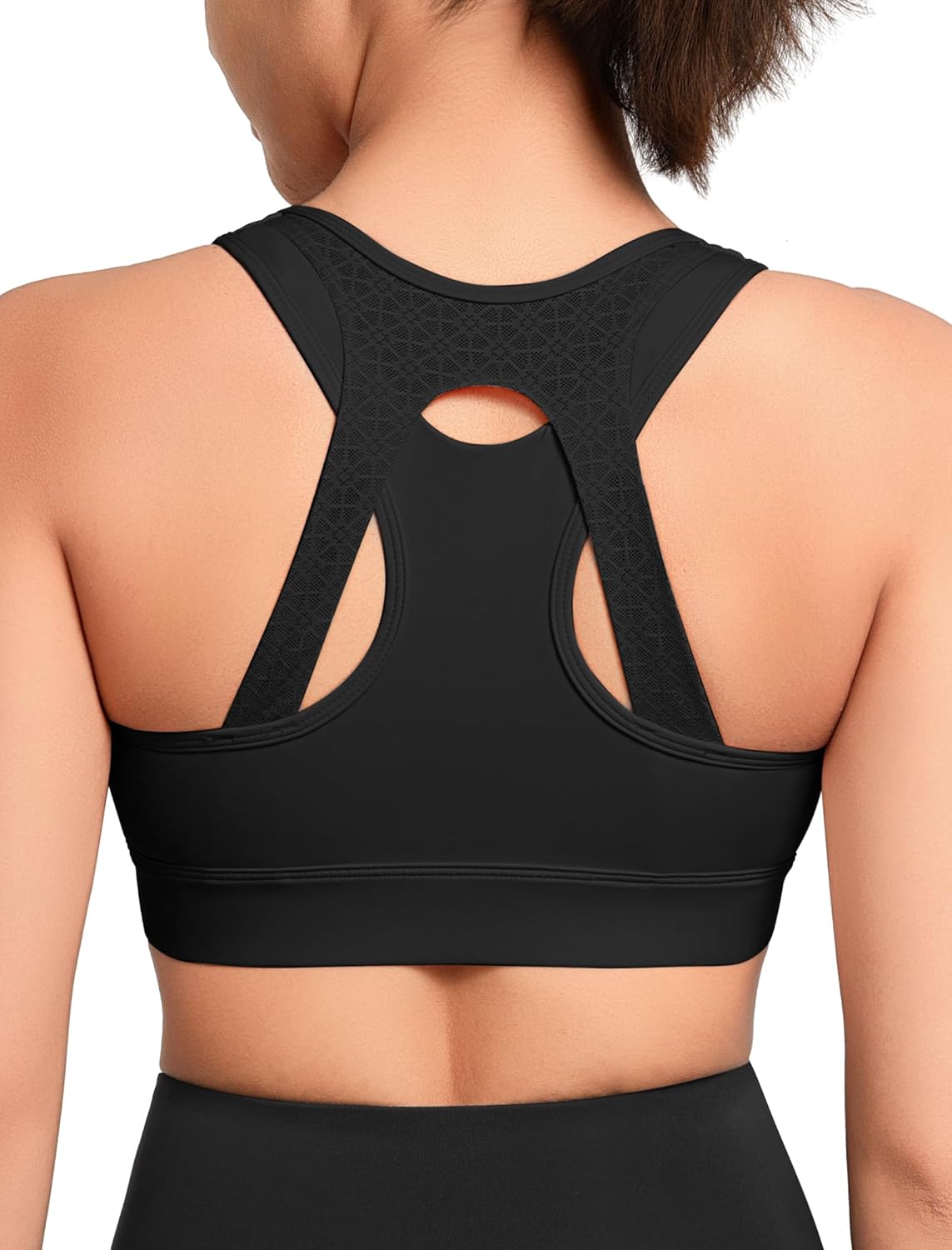
A practical example of targeted active support is found in specialized garments like the Cross Back Shock Resistant Gym and Yoga Sports Bra. Cross-back or crisscross strap configurations are intentionally engineered to distribute tension evenly across the shoulder blades, minimizing the localized digging that traditional straight-line straps often cause. This structural design offers enhanced shock resistance and a secure fit during dynamic physical activity, whether attending an outdoor yoga session or navigating a rigorous fitness routine.
Practical Steps for Daily Postural Health
Maintaining long-term physical comfort requires a combination of smart accessories, functional garments, and mindful physical habits.
Alternate Load Sides: If using asymmetric bags throughout the day, periodically switch sides to give muscle groups adequate rest.
Ontario Chiropractic Association
Select Supportive Apparel: Choose workout gear, such as supportive sports bras with cross-back architecture, to ensure movement freedom without undue friction or pressure.
Incorporate Movement Breaks: Take short intervals to stretch the neck, shoulders, and back, preventing continuous muscle contraction during long periods of standing or walking.
By focusing on anatomical alignment, weight management, and supportive clothing structures, individuals can seamlessly blend comfort into their everyday lifestyle.
Sources
Canadian Chiropractic Association
AliExpress Product Reference
National Center for Biotechnology Information PMC Study
LuckeLadybug
Noticias
Mastering the Mental and Technical Blueprint of Elite Goaltending Like Connor Hellebuyck


