
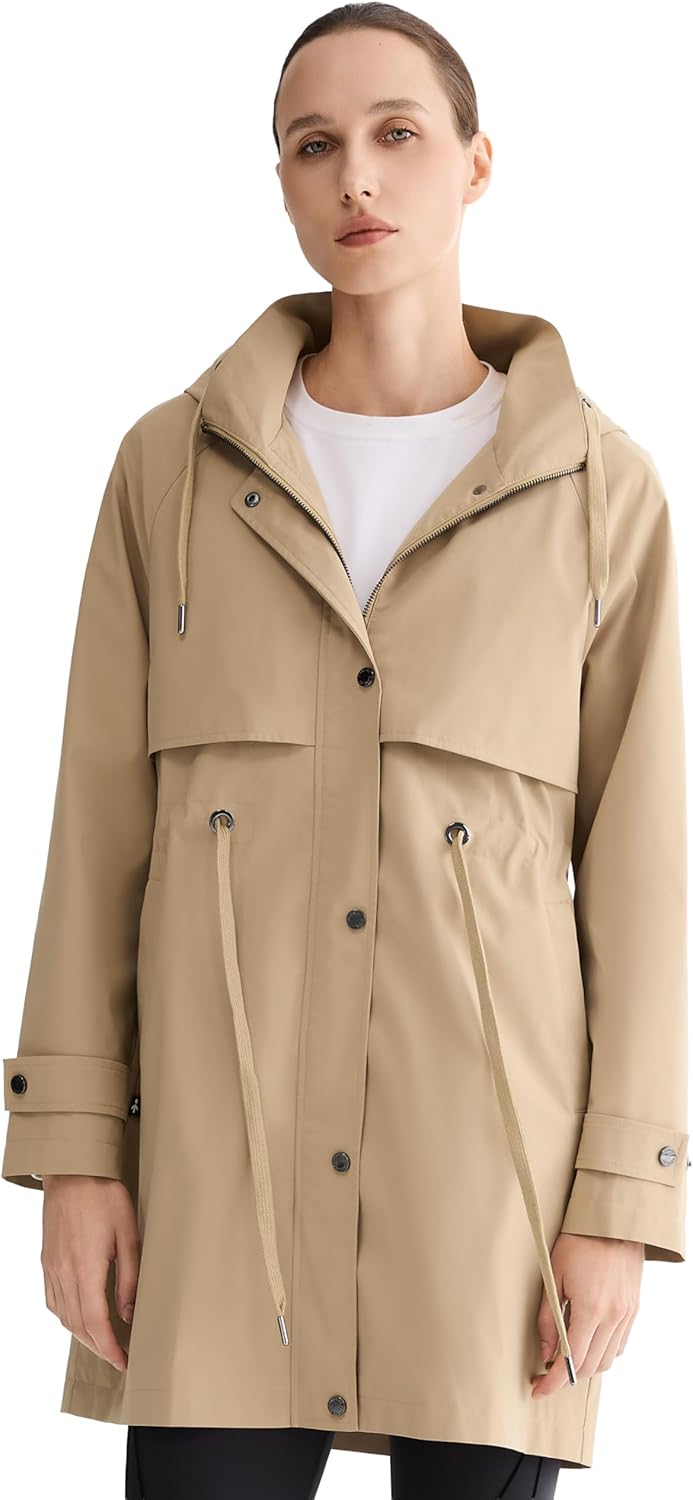
Products we think you may like.


Mastering Transition Weather: How to Style a Windbreaker Trench Coat for Modern Versatility

Navigating shoulder-season weather requires an outer layer that balances climate defense with effortless sophistication. Variable spring and autumn conditions often demand protection against sudden gusts without sacrificing a polished silhouette. Understanding how lightweight design features and refined tailoring intersect makes selecting the right transitional outerwear simple and intuitive.
The Evolution of the Modern Windbreaker
Traditional outerwear often forced a choice between technical weather resistance and tailored style. Modern designs combine protective features like dense weaves and drape-focused synthetic fibers with classic British tailoring details, creating an adaptable layer that functions across diverse settings.
Durable Fabric Weaves: Tightly woven fabrics deflect light breezes while remaining breathable during temperature shifts.
Fluid Drape Structure: Extended trench cuts provide coverage and full-motion comfort without bulk.
Defensive Closures: Adjustable lapels, secure belts, and storm flaps trap warmth during sudden temperature drops.
Real-World Versatility: Case Studies in Transitional Styling
To understand how a lightweight full-length layer performs, consider how it adapts across daily routines:
The Professional Commute: Pairing a long belt-cinched outer layer over a structured button-up protects tailored clothing from unpredictable wind while maintaining an authoritative professional appearance.
Weekend Casual Mobility: Worn open over a high-gauge knit sweater and straight-leg denim, the relaxed drape offers full mobility for urban walking while shielding against chilly breezes.
According to textile performance studies hosted by the National Center for Biotechnology Information, fabric density and structural length significantly reduce body heat loss caused by convection. Further design principles detailed by the Victoria and Albert Museum highlight how traditional British trench elements—such as storm collars and waist belts—were engineered specifically to optimize weather protection and functional comfort.
Key Selection Criteria for Transitional Outerwear
When selecting a multi-season jacket, focus on features that maximize utility and ease of care:
Sleeve and Collar Flexibility: Look for storm flaps and adaptable cuffs that can be cinched or relaxed based on wind conditions.
Length and Coverage: Mid-thigh to calf-length cuts offer the best shield against lower-body wind exposure.
Wrinkle Resistance: Synthetic or blended drapes ensure the garment stays crisp throughout long daily commutes.
Key Takeaway
Investing in a versatile Windbreaker trench coat bridges the gap between technical weather defense and timeless style. Choose a fluid, full-length silhouette in a neutral palette to effortlessly navigate unpredictable spring and autumn weather.
Sources
National Center for Biotechnology Information
Victoria and Albert Museum
LuckeLadybug
Noticias
Navigating the History and Evolution of the October 12 Holiday


