


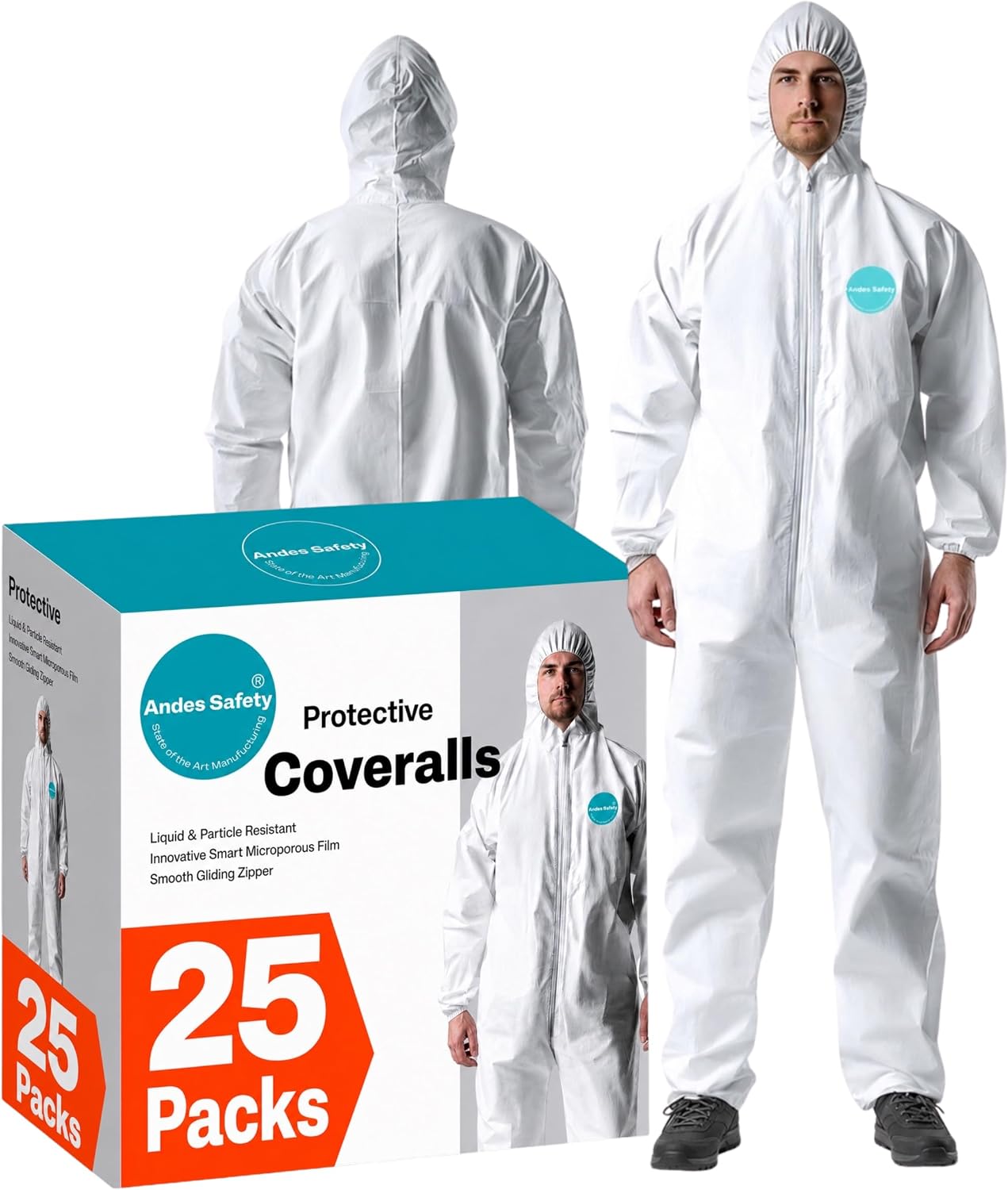

How Modern Overalls and Coveralls Protect You from Industrial Hazards

Whether you are tackling heavy industrial painting, automotive repairs, or deep residential maintenance, standard workwear often falls short against liquid penetration and airborne grime. Understanding the technical evolution of protective overalls helps you select the right barriers for tough, mess-prone jobs.
The Evolution of Full-Body Workwear
Workplace clothing has evolved far beyond traditional cotton denim garments designed purely for basic abrasion resistance. Modern overalls and full-body coveralls now integrate non-porous membranes, sealed seam construction, and hooded enclosures to block hazardous fine particles and oily fluids.
These advanced barrier textiles ensure that splashes, greases, and fine particulates remain on the garment surface rather than seeping into personal clothing. Selecting garments with built-in hoods and elasticized wrists ensures complete sealing around critical exposure points.
Essential Features for Liquid and Particulate Protection
When assessing protective outerwear for demanding work environments, several critical structural features determine performance:
Fluid Resistance: Hydrophobic coatings or laminated films prevent oil, grease, and water-based paints from soaking through.
Integrated Hoods and Elastic Cuffs: Enclosed hood structures shield neck and scalp areas, while gathered cuffs prevent debris from crawling inside sleeves.
Dust and Particle Barriers: Tightly woven or synthetic non-woven fabrics block fine airborne sawdust and spray mists.
Easy Maintenance: Durable splash-proof materials allow quick surface wiping during intensive project cycles.
Real-World Application: Automotive and Spray Paint Protection
Consider a typical automotive restoration workshop where technicians spend hours applying primers and polyurethane clear coats. Standard clothing quickly absorbs aerosolized chemical mists, leading to skin irritation and ruined garments underneath.
By deploying waterproof, hooded protective coveralls, technicians create an effective continuous shield against oily mists and airborne paint overspray. According to worker safety guidelines established by the Occupational Safety and Health Administration, proper protective clothing is essential for minimizing dermal chemical exposures in industrial settings.
Choosing the Right Barrier Protection for Your Project
Selecting the proper protective gear depends heavily on the specific hazards present in your workspace. For dry dust environments, breathable particle barriers are sufficient, whereas painting and chemical handling demand fully waterproof and oil-resistant synthetic shells.
For detailed standards on liquid barrier performance and occupational garment classification, consult testing metrics published by the National Institute for Occupational Safety and Health.
Key Takeaways for Workplace Safety
Investing in high-coverage protective apparel eliminates the risk of garment damage and skin contamination during messy heavy-duty tasks. Always check that your safety gear fits comfortably over internal layers while maintaining tight seals at the wrists, ankles, and face boundary.
Sources
Occupational Safety and Health Administration
National Institute for Occupational Safety and Health
LuckeLadybug
Noticias
Mastering the Serve: What We Can Learn From Hubert Hurkacz


