


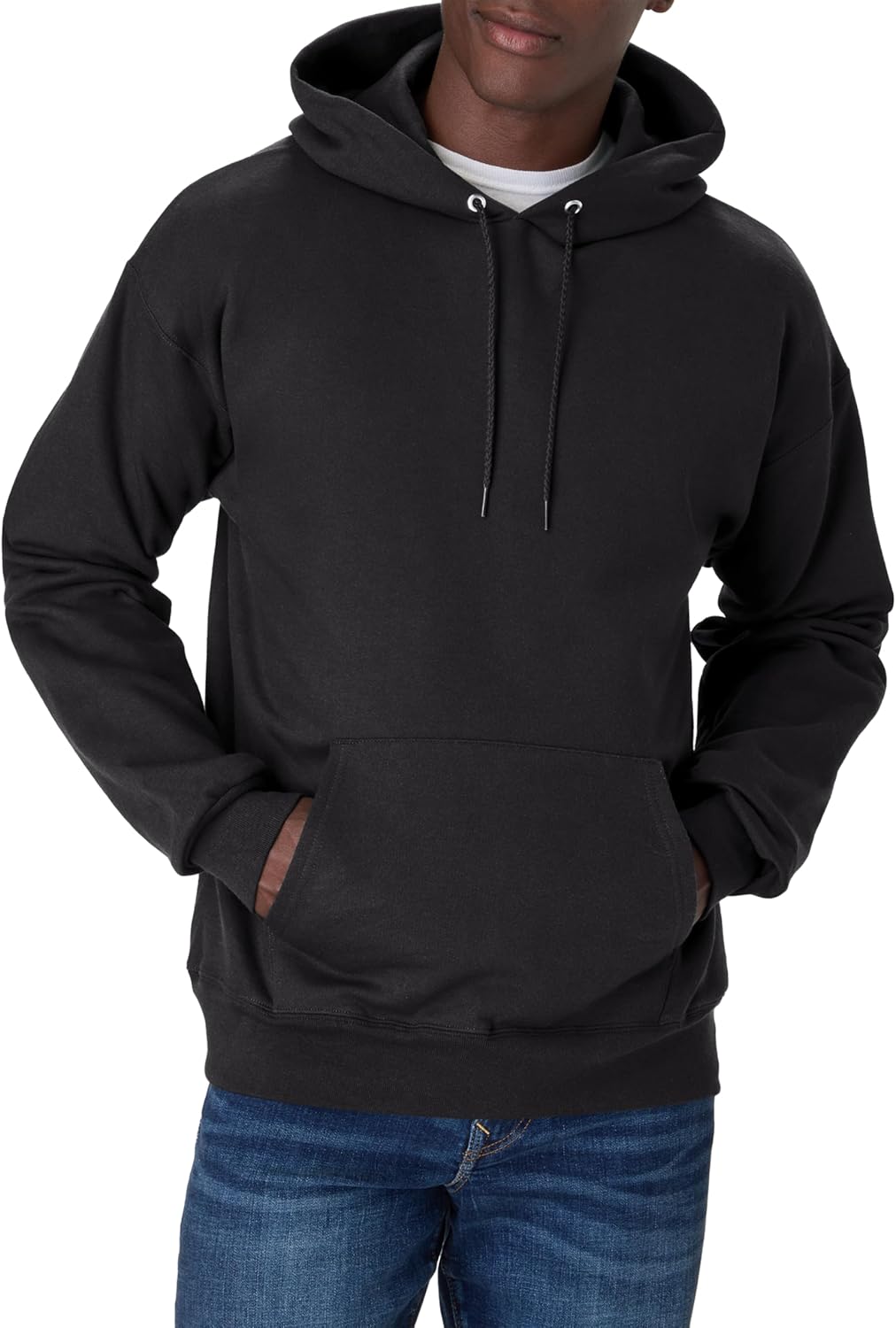


Decoding the Evolution of Modern Streetwear Through Iconic Hoodies

The evolution of modern casual attire is anchored by a single garment that transitioned from industrial utility to a cornerstone of global style. Few items possess the cultural versatility or enduring popularity of hoodies. Originally designed to protect laborers and athletes from harsh elements, this hooded staple has been repeatedly reinvented by subcultures, artists, and international style capitals. Understanding how these garments function within contemporary aesthetics reveals a fascinating intersection of comfort, heritage, and individual expression.
Adam Rhead
+ 2
The Roots of Utility and Subculture
The origins of the hooded sweatshirt trace back to the 1930s when utilitarian apparel manufacturers sought practical solutions for workers facing cold weather in warehouses and athletic fields. The attached hood provided immediate thermal insulation and protection without requiring a separate hat.
Adam Rhead
+ 1
Decades later, youth subcultures adopted the silhouette as a symbol of anonymity, autonomy, and quiet rebellion. Skateboarding communities, early hip-hop pioneers, and urban artists embraced the loose cut because it offered unrestricted movement and shielded the wearer from the elements. Over time, this functional workwear evolved into an essential canvas for graphic design and countercultural messaging.
Luca Faloni
+ 1
The Harajuku Phenomenon and Loose Silhouettes
As streetwear expanded globally, Tokyo’s Harajuku district emerged as an influential epicenter for experimental fashion, championing oversized proportions and eclectic layering. Designers and local youth movements rejected rigid tailoring in favor of relaxed, unstructured aesthetics that blended comfort with bold visual statements.
dr carolin becke
This philosophy heavily influences modern streetwear pieces like the 1977 Printed Loose Harajuku Hooded Pullover, which exemplifies the relaxed draping and graphic-driven focus typical of Tokyo's street style. Key characteristics of this design ethos include:
Relaxed Proportions: Dropped shoulders and generous body sizing create an effortless, unstructured silhouette that prioritizes ease of movement.
Graphic Integration: Thoughtfully placed typography or foundational dates—such as the symbolic 1977 prints—transform a simple cotton layer into a medium for visual storytelling.
All-Season Versatility: Medium-weight fleece or cotton blends allow these pullovers to function seamlessly as standalone pieces during transitional weather or as insulating mid-layers under heavier outerwear.
Styling Strategies for Contemporary Wardrobes
Integrating relaxed hooded pullovers into daily outfits relies heavily on playing with texture, scale, and balance. Because these garments inherently carry a relaxed aesthetic, pairing them effectively requires careful consideration of complementary pieces:
Proportional Contrast: Combine an oversized, loose pullover with slim-cut or straight-leg trousers to create a balanced silhouette that avoids appearing overly bulky.
Textural Layering: Introduce structured outerwear, such as a rigid denim jacket, a tailored overcoat, or a utility vest, over the hood to add architectural depth to the outfit.
Monochromatic Harmony: Anchor graphic prints by keeping surrounding trousers and footwear within a cohesive color palette, allowing the central garment to stand out naturally.
The enduring appeal of these garments lies in their unique ability to bridge the gap between absolute comfort and intentional personal style. By honoring their utilitarian past while embracing modern graphic interpretations, they remain an essential fixture in the modern wardrobe landscape.
Square Mile
Sources
The Evolution of Streetwear: How Hoodies Became a Lifestyle Staple
Square Mile
The History of the Hoodie: Rebellion & Empowerment
Luca Faloni
Discovering Tokyo's Harajuku: History, Fashion, and Cultural Evolution
dr carolin becke
LuckeLadybug
Noticias
Navigating Creative Risks: What the Career Trajectory of Will Forte Teaches Us About Bold Artistic Choices


