
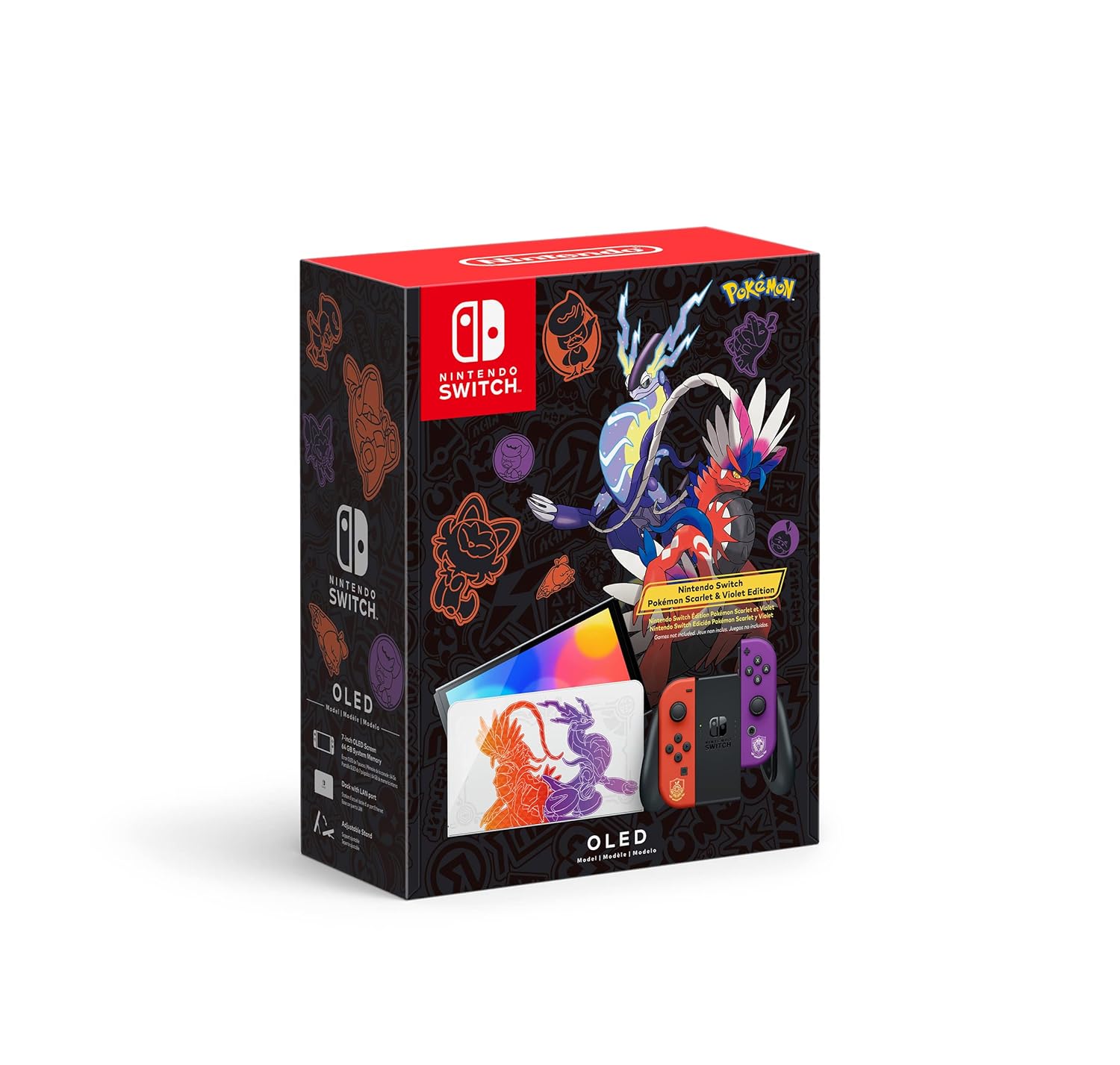


Three Decades of Gotta Catch 'Em All: How Pokémon Built a 30-Year Cultural Phenomenon

Since the original release of Pokémon Red and Pokémon Green in Japan on February 27, 1996, the Pokémon franchise has evolved from a niche handheld role-playing game into one of the most recognized and beloved entertainment properties on Earth. Reaching its 30th anniversary in 2026, Pokémon stands as a rare landmark in modern culture—a brand that successfully bridged the gap between 1990s nostalgia and digital-era gaming innovation.
Understanding how Pokémon maintained relevance across three decades reveals a masterclass in community building, adaptable media design, and timeless core mechanics.
From Game Boy Pixels to Global Pop Culture
When Game Freak creator Satoshi Tajiri first envisioned Pokémon, his idea stemmed from a childhood passion for collecting insects in rural Japan. That simple impulse—exploration, collection, and friendly competition—translated into a 151-creature roster contained inside an 8-bit Nintendo Game Boy cartridge.
The success of the franchise was far from accidental. Rather than relying on graphics or computing power, Pokémon relied on social interaction. By leveraging the Game Boy Link Cable, players were forced to connect in person to trade version-exclusive Pokémon and trade evolutions.
1996: Pokémon Red and Green launch in Japan, introducing the original Kanto region.
1998: International release of Pokémon Red and Blue, sparking the "Pokémania" craze across North America and Europe.
1999–2000: The Trading Card Game (TCG) and animated television series expand the property into mainstream broadcast media.
2016: The release of Pokémon GO introduces location-based augmented reality (AR), bringing tens of millions of fans into local parks and streets worldwide.
2026: The global community celebrates 30 years of creature collection, battling, and social connection.
Banana Games & Hobby
Evolution Across Media: Games, Anime, and the Trading Card Game
A primary engine behind Pokémon’s 30-year endurance is its synchronized transmedia ecosystem. Every generation introduces new creatures, regions, and narrative themes that premiere across video games, animated television series, and collectible tabletop formats simultaneously.
The Trading Card Game Benchmark
The Pokémon Trading Card Game (TCG) has consistently innovated while honoring fan nostalgia. For the 30th anniversary celebrations, special card expansions like the 30th Celebration set highlight the historic connection between artwork and gameplay, debuting futuristic art variants like Mew and Mewtwo alongside classic vintage aesthetics.
YouTube
Animated Storytelling and Nostalgia Bridges
While the animated series originally followed the journey of Ash Ketchum and Pikachu for over two decades, the anime gracefully transitioned into new storylines like Pokémon Horizons. This shift allowed long-time fans who grew up in the late 1990s to share fresh narrative adventures with their own children, reinforcing a multigenerational loop.
Community at the Core: Real-World Events and Interactive Fandom
Unlike franchise universes that live purely on screens, Pokémon has always emphasized physical gatherings and shared experiences.
Case Study: Global City Tours & Augmented Reality
A prime demonstration of Pokémon’s community footprint is its real-world gathering model. To celebrate 30 years of global connections, location-based events such as the PokéXciting! Asia-Pacific celebration tour transformed major urban spaces—including Kuala Lumpur, Taipei, and Singapore—into interactive gameplay hubs.
Pokemon Go
During these regional celebrations, players meet in public parks and landmarks to complete stamp rallies, battle alongside localized custom Pikachu variants, and participate in coordinated group raids. This hybrid model demonstrates how digital gaming can revitalize public gathering spaces and create tangible human connections.
Pokemon Go
The Secret to Pokémon’s Multigenerational Longevity
Why has Pokémon sustained enthusiasm across 30 years while many contemporaries faded?
An Intuitive Core Gameplay Loop: The fundamental design philosophy—Explore, Catch, Train, Battle, Trade—is simple enough for a six-year-old to grasp, yet mechanically deep enough for competitive Video Game Championships (VGC) and TCG World Championships.
Personal Connection to Creatures: Every player forms a unique team. Two players can finish the same game with completely different lineups, fostering a personal relationship with their digital partners.
Cross-Generational Bridge: Parents who caught their first Pikachu on a black-and-white Game Boy screen in 1998 are now trading cards and exploring open-world regions with their children today.
Thirty years after its quiet debut in Japan, Pokémon remains a living testament to the power of imaginative play and community connection.
Sources
Pokémon Center Site
Pokemon Center
Pokémon GO News
Pokémon YouTube Channel
YouTube
Pokémon TCG: 30th Celebration 🎉 | Available September 16
The Pokémon YouTube channel · 482K views

LuckeLadybug
News
Mastering the Serve: What We Can Learn From Hubert Hurkacz


