

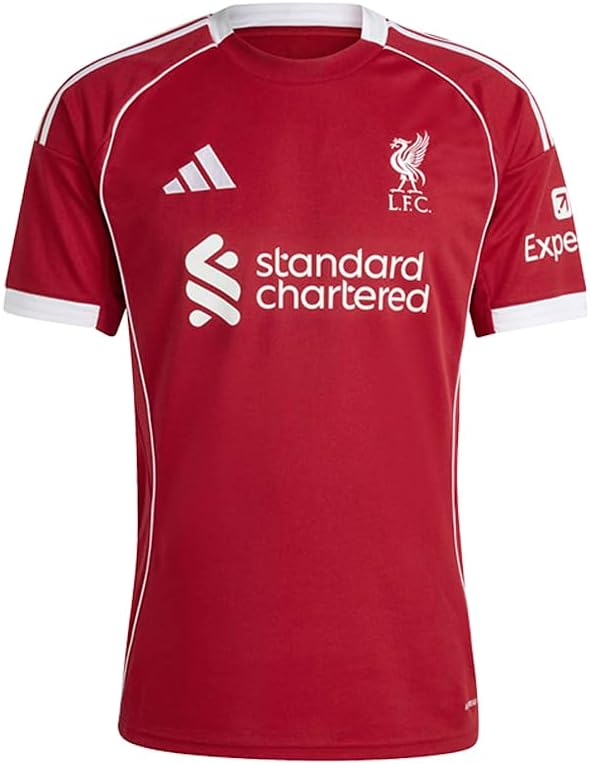


Rediscovering Liverpool: Culture, Maritime Heritage, and Modern Urban Tourism

Liverpool stands as one of the most culturally vibrant and historically rich cities in the United Kingdom. From its world-renowned musical lineage and legendary sporting heritage to its dramatic maritime waterfront, liverpool offers travelers a unique blend of historic architecture and contemporary urban energy. Whether you are planning a weekend break or a deeper cultural itinerary, understanding the city’s landmark evolution and cultural density helps ensure an enriching visit.
VisitLiverpool
The Architectural and Maritime Transformation
The identity of the region is inextricably tied to its famous docks and waterfront along the River Mersey. Originally constructed to support global trade during the Industrial Revolution, these monumental brick and cast-iron structures have undergone one of Europe’s most successful urban regeneration initiatives.
VisitLiverpool
+ 1
Case Study: The Royal Albert Dock
Designed by Jesse Hartley and officially opened in 1846, the dock represented a breakthrough in marine engineering. It featured the world’s first non-combustible warehouse system constructed entirely without structural wood. However, as twentieth-century shipping technology evolved toward larger container vessels, the dock became obsolete for commercial shipping and eventually fell into disuse.
National Museums Liverpool
+ 1
In the late 20th century, a comprehensive reclamation strategy transformed the derelict waterfront into a thriving cultural district. Today, as documented by Royal Albert Dock, the complex houses major galleries, independent dining venues, and historical exhibits. It stands as a real-world example of adaptive historic reuse—preserving Grade I listed infrastructure while establishing a vibrant destination for millions of annual visitors.
VisitLiverpool
+ 1
World-Class Museums and Free Cultural Access
A key highlight for consumers visiting the area is the accessibility of high-caliber cultural institutions. Managed primarily through National Museums Liverpool, many major venues offer free public admission to their permanent collections.
VisitLiverpool
+ 1
Museum of Liverpool: Located directly on the Pier Head, this venue explores the social, civic, and human history of the city. Dedicated galleries detail regional maritime developments, architectural milestones, and community history. Detailed visitor details can be explored directly through the Museum of Liverpool.
National Museums Liverpool
World Museum: Spanning natural history, physical science, and ancient world cultures, this multi-floor institution includes an aquarium and planetarium geared toward visitors of all ages.
National Museums Liverpool
Walker Art Gallery: Widely acclaimed for its broad collections, this gallery features prominent works spanning the Renaissance, Pre-Raphaelite era, and modern art period.
National Museums Liverpool
Practical Itinerary for the Modern Traveler
Structuring a visit around distinct geographic and cultural hubs allows travelers to experience the breadth of the area efficiently, as outlined in planning resources from VisitLiverpool and VisitBritain.
VisitLiverpool
Day 1: Waterfront and Maritime Roots
Begin at the Pier Head to view the "Three Graces"—including the historic Royal Liver Building. Walk through the Royal Albert Dock complex and spend the afternoon exploring maritime history exhibits.
VisitBritain
+ 1
Day 2: Music History and the Cultural Quarter
Explore Mathew Street and surrounding music landmarks in the morning. Transition in the afternoon to William Brown Street to visit the grand public library and national galleries.
VisitLiverpool
+ 1
Day 3: Coastal Exploration and Neighborhoods
Take a short regional transit journey north along the Mersey estuary to Crosby Beach. There, visitors can view Another Place, the permanent open-air installation by sculptor Antony Gormley featuring 100 cast-iron figures facing the open sea.
VisitLiverpool
Sustainable Urban Tourism and Mobility
As visitor numbers grow, urban planners have placed increasing emphasis on sustainable travel options. The city center features a compact, highly walkable grid that minimizes the need for private vehicular transport.
VisitLiverpool
Additionally, local rail connections provide low-carbon access to surrounding coastal areas, green spaces, and suburban cultural sites. By prioritizing walking routes, electric public transit, and civic cultural sites, visitors can enjoy a rich travel experience while supporting sustainable heritage conservation.
VisitLiverpool
Sources
VisitLiverpool
VisitBritain
Royal Albert Dock
National Museums Liverpool
Museum of Liverpool
LuckeLadybug
News
Mastering the Mental and Technical Blueprint of Elite Goaltending Like Connor Hellebuyck


