




Navigating the Farmers' Almanac Winter Forecast: Traditions, Science, and Home Readiness

Every year as autumn approaches, long-range winter predictions begin making headlines. Millions of households consult traditional outlooks to plan seasonal travel, organize heating supplies, and anticipate winter storms. The annual Farmers' Almanac releases its seasonal projections to offer early guidance on cold snaps, snowfall totals, and moisture patterns.
Understanding how these forecasts work—and how to apply them alongside modern meteorological science—helps homeowners, travelers, and outdoor enthusiasts make informed preparations before the first frost arrives.
The Science Behind Long-Range Predictions
Long-range forecasting relies on identifying broad global atmospheric patterns rather than predicting exact daily rainfall or specific local snowfall amounts weeks in advance. Traditional almanacs utilize proprietary mathematical formulas developed over two centuries. These historical systems analyze several macro-level environmental indicators:
Greenhouse Grower
Solar Cycles: Shifts in sunspot activity and solar radiation output.
Astronomical Positions: The relative positions and tidal influences of the moon and planets.
Historical Climatology: Decades of archived weather data used to match past recurring weather cycles with current atmospheric conditions.
In modern meteorology, government agencies like the NOAA Climate Prediction Center focus on large-scale ocean-atmosphere phenomena. Forecasters closely monitor teleconnections such as the El Niño–Southern Oscillation (ENSO), the Arctic Oscillation (AO), and sea surface temperature anomalies across the Pacific and Atlantic Oceans. When ocean temperatures shift, they alter the position of the polar jet stream, directly dictating whether cold Arctic air dips south or milder conditions prevail across North America.
The Old Farmer’s Almanac
Case Study: Regional Winter Impacts
To understand the real-world value of seasonal outlooks, consider how a regional community utilizes broad extended forecasts to prepare for potential weather extremes.
In a past winter season across the Upper Midwest, early-fall almanac and climate forecasts indicated an active storm track combined with frequent surges of Arctic air. Municipal public works departments used these early signals to adjust logistics months before the winter season began:
Resource Allocation: Local governments secured extra bulk road salt supply orders in September to avoid mid-winter supply chain shortages.
Equipment Audits: Fleet managers scheduled early maintenance for snowplows, sanders, and emergency blowers to ensure full operational readiness by November.
Property Protection: Local agricultural operators winterized irrigation lines and reinforced livestock shelters early, preventing costly freeze damage when a major January cold wave materialized.
While an extended forecast may not pinpoint exact storm dates months in advance, early broad-brush indicators provide actionable timelines for critical winterization tasks.
Actionable Steps for Winter Home Preparation
Regardless of whether a severe or mild winter is predicted for your region, performing routine seasonal maintenance safeguards your home and reduces heating costs.
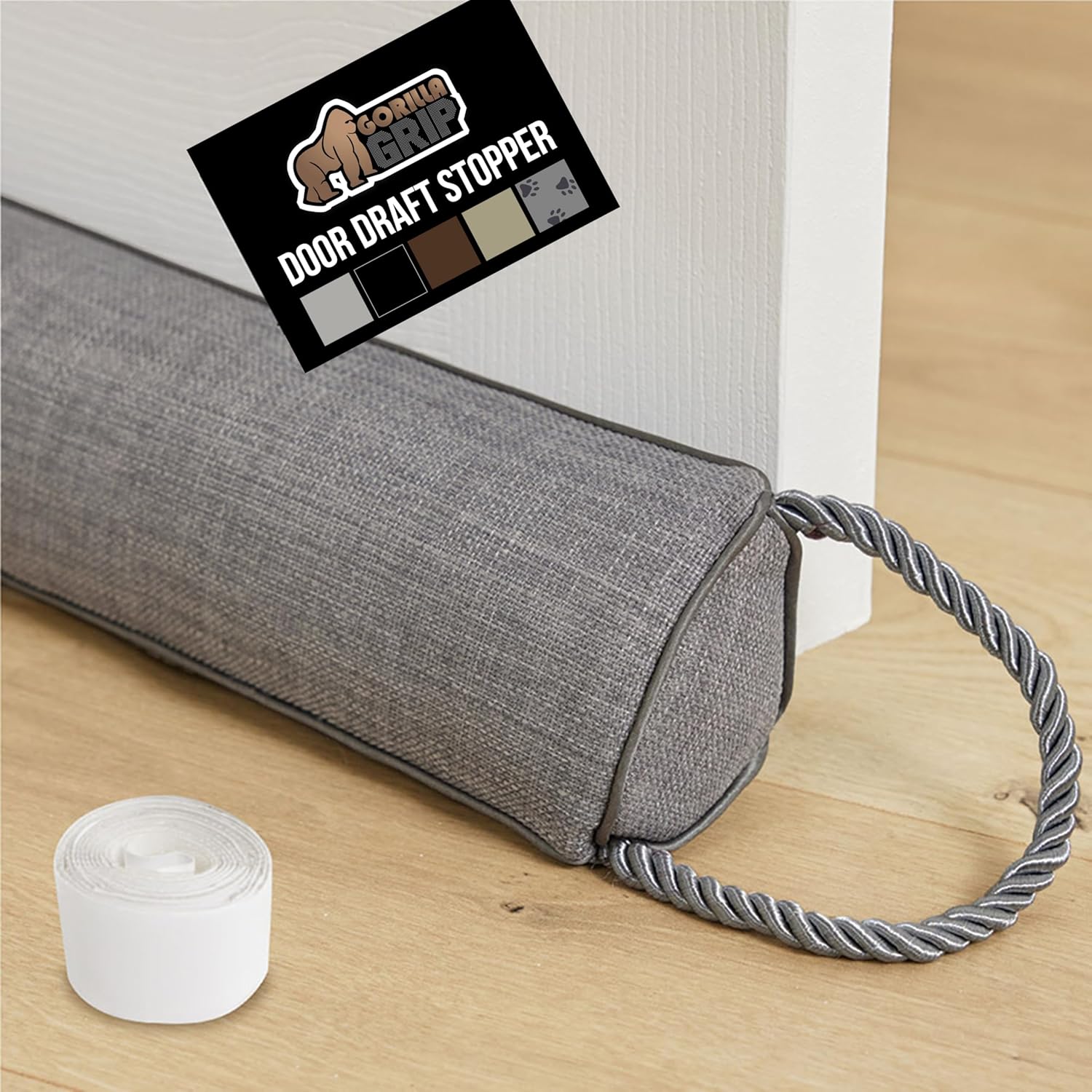
Inspect Exterior Seals: Apply exterior-grade caulk and weatherstripping around windows, doors, and utility entry points to prevent drafts and retain interior heat.
Clean Gutters and Downspouts: Clear fallen leaves and debris to ensure melting snow drains freely, preventing ice dams from forming along rooflines.
Service Heating Systems: Replace HVAC filters, schedule annual professional furnace inspections, and ensure chimney flues are clean before lighting winter fires.
Protect Water Lines: Insulate exposed pipes in unheated crawlspaces, basements, or attics. Disconnect garden hoses and shut off exterior spigots prior to freezing temperatures.
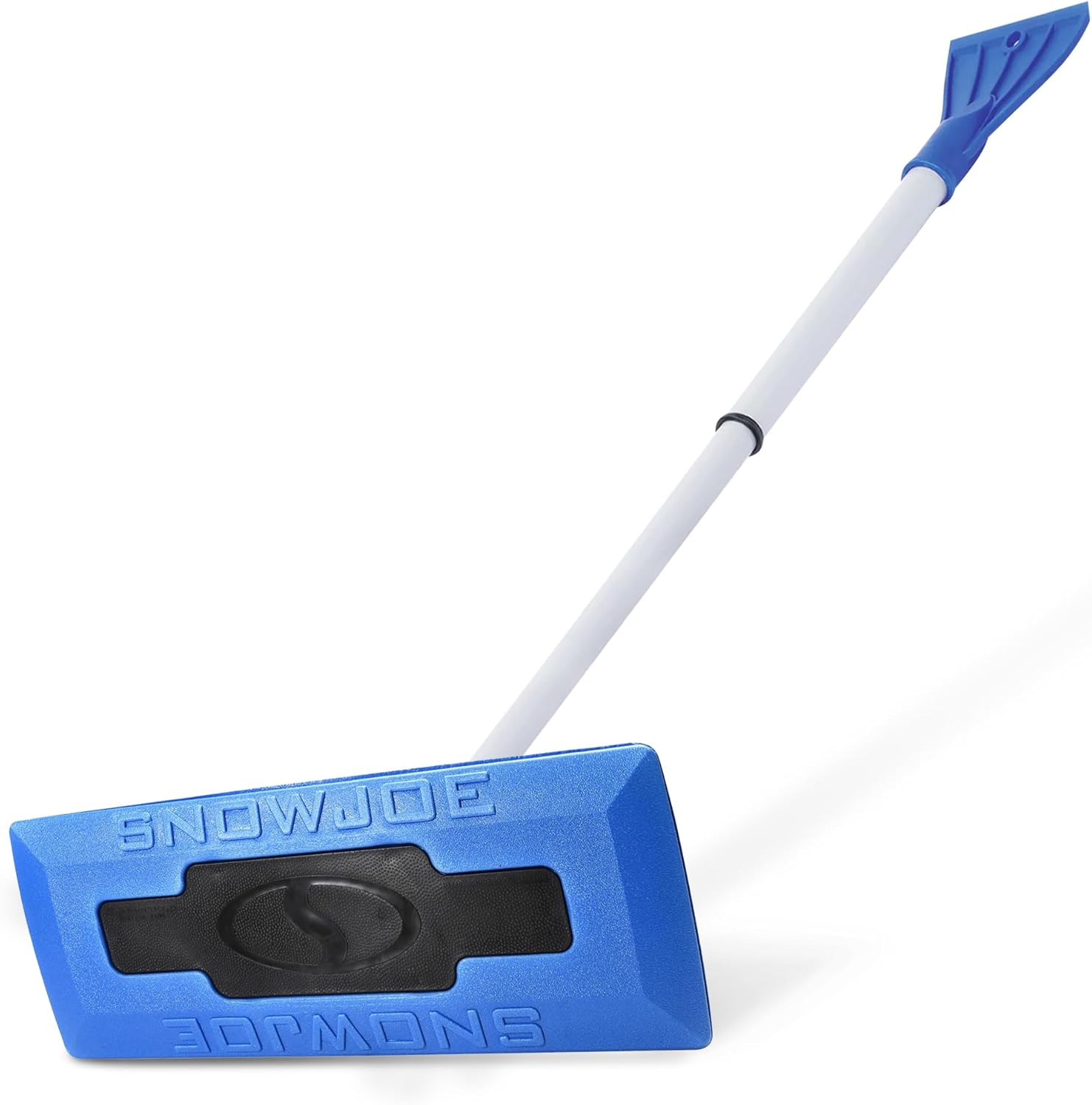
Assemble Emergency Kits: Prepare home and vehicle emergency supplies, including ice scrapers, non-perishable food, flashlights, extra batteries, and backup thermal blankets.
Sources
Farmers' Almanac
NOAA Climate Prediction Center

LuckeLadybug
News
The Impact of Character Evolution: Looking Back at Kelli Giddish and Her Television Legacy


