

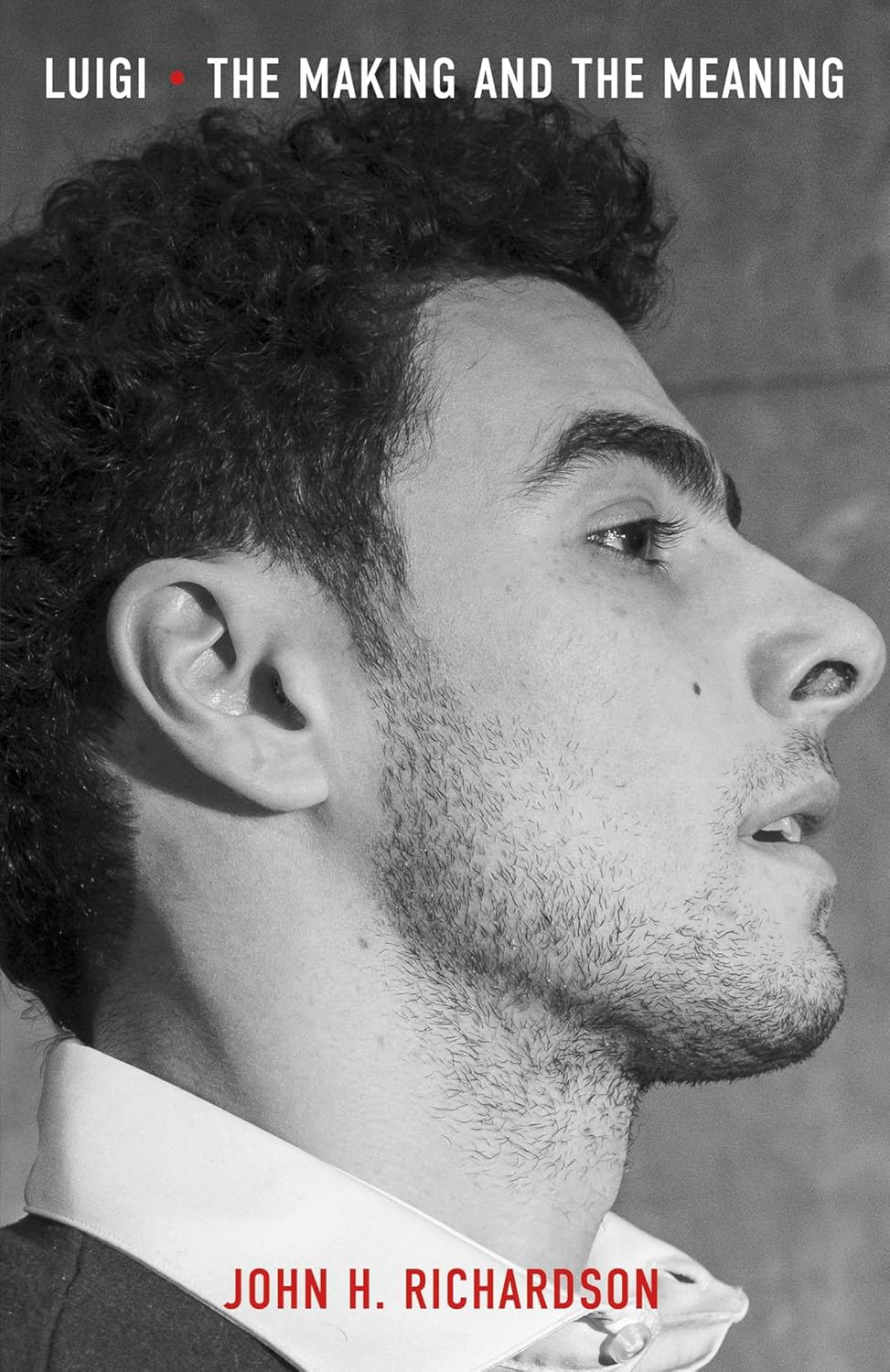



Navigating Legal Realities and Public Reaction in High-Profile High-Stakes Trials: Lessons from the Mangione Case

When high-profile criminal cases dominate headline news, public commentary often outpaces the legal reality unfolding in courtrooms. The ongoing legal proceedings involving Luigi Mangione—charged in connection with the December 2024 killing of UnitedHealthcare CEO Brian Thompson—offer a compelling look at the complex interplay between dual-sovereign prosecutions, constitutional rights, and public sentiment.
The Guardian
For consumers and observers navigating heavy news cycles around complex legal trials, understanding the mechanics of the justice system can clarify why high-stakes cases move, pivot, or resolve the way they do.
Understanding Dual Sovereignty and Double Jeopardy
A primary area of confusion in major criminal proceedings involves overlapping state and federal jurisdictions. Under the United States legal doctrine of "dual sovereignty," state governments and the federal government operate as distinct sovereign entities. This means a single set of underlying actions can potentially violate both state and federal laws, allowing both authorities to bring charges without violating the Fifth Amendment’s protection against double jeopardy.
However, state laws often provide additional layers of protection. For example:
Federal Scope: Federal prosecutors typically focus on crimes involving interstate movement, stalking, or broad statutory violations.
CityNews Toronto
State Scope: State authorities generally focus on direct offenses occurring within their borders, such as homicide or illegal weapon possession.
State Double Jeopardy Statutes: Specific state statutes can bar a local prosecution if a defendant has already been convicted or acquitted under federal law for conduct arising from the same criminal transaction.
The Guardian
In the Mangione proceedings, defense lawyers raised double jeopardy arguments when facing simultaneous prosecutions in both federal court and New York state court. How plea agreements or judgments in one jurisdiction impact concurrent cases in another depends heavily on specific statutory definitions of "same offense" within state law.
The Guardian
Pretrial Motions, Anonymous Juries, and Fair Trial Guarantees
In news-heavy trials, pretrial motions lay the groundwork for how evidence is presented and how jurors are protected. These procedural steps ensure that a defendant receives a fair trial guaranteed by the Sixth Amendment while balancing safety and order in the judicial process.
Key mechanisms frequently utilized in high-profile criminal matters include:
Suppression Hearings: Motions where the defense challenges the admissibility of evidence obtained by law enforcement, assessing whether searches or arrests complied with Fourth Amendment standards.
Anonymous Juries: Orders keeping juror identifying details confidential to protect potential and sworn jurors from harassment, outside influence, or public pressure.
The Guardian
Courtroom Media Access: Decisions regarding media seating, overflow rooms, and closed-circuit broadcasts to uphold public trial guarantees while preserving courtroom decorum.
ANI News
During pretrial proceedings in August 2026, New York Supreme Court Justice Gregory Carro ordered an anonymous jury for the scheduled state trial, citing risks of public influence and harassment in an intensely watched environment.
Case Study: Media Sensation vs. Judicial Procedure
High-stakes cases often highlight the stark contrast between public reaction and strict courtroom mechanics. Following Mangione's arrest in Altoona, Pennsylvania, in December 2024, widespread media coverage examined public frustration over national health insurance policies alongside the legal charges.
The Guardian
┌─────────────────────────────────────────────────────────┐
│ December 2024: Incident & Arrest │
│ - Shooting in NYC; arrest in Altoona, PA │
│ - State & federal indictments filed │
└──────────────────────────┬──────────────────────────────┘
│
▼
┌─────────────────────────────────────────────────────────┐
│ 2025–2026: Pretrial Rulings │
│ - Judge dismisses federal death penalty option │
│ - Suppression motions & evidentiary rulings │
└──────────────────────────┬──────────────────────────────┘
│
▼
┌─────────────────────────────────────────────────────────┐
│ August 2026: Trial Readiness │
│ - Anonymous jury order issued for state trial │
│ - Resolution talks in concurrent federal proceedings │
└─────────────────────────────────────────────────────────┘
While public commentary debated the societal context of the event, the judicial process remained strictly bound to statutory elements, rules of evidence, and procedural deadlines. This separation illustrates a core truth of the American legal system: courtrooms evaluate individual criminal culpability based on admissible evidence, distinct from broader social or political debates surrounding a case.
Key Takeaways for Legal Observers
When evaluating updates in complex, high-profile legal cases, keeping several fundamental principles in mind helps separate media hype from legal reality:
Plea Bargains Serve Specific Rules: Plea agreements in one court system do not automatically dismiss charges in another unless specific constitutional or state statutory bars apply.
Procedural Orders Protect Due Process: Rulings regarding anonymous juries or evidence suppression are designed to safeguard the integrity of the trial process.
Source Verification Matters: Relying on court dockets, judicial orders, and established journalistic reporting yields a far more accurate picture than social media commentary.
Sources
Legal Information Institute - Dual Sovereignty Doctrine
United States Courts - Fifth Amendment Overview
Wikipedia - Luigi Mangione
Associated Press Reporting on Federal Court Proceedings

LuckeLadybug
News
Early Evaluation and the Reality Behind Peyton Manning Son Football Offers


