


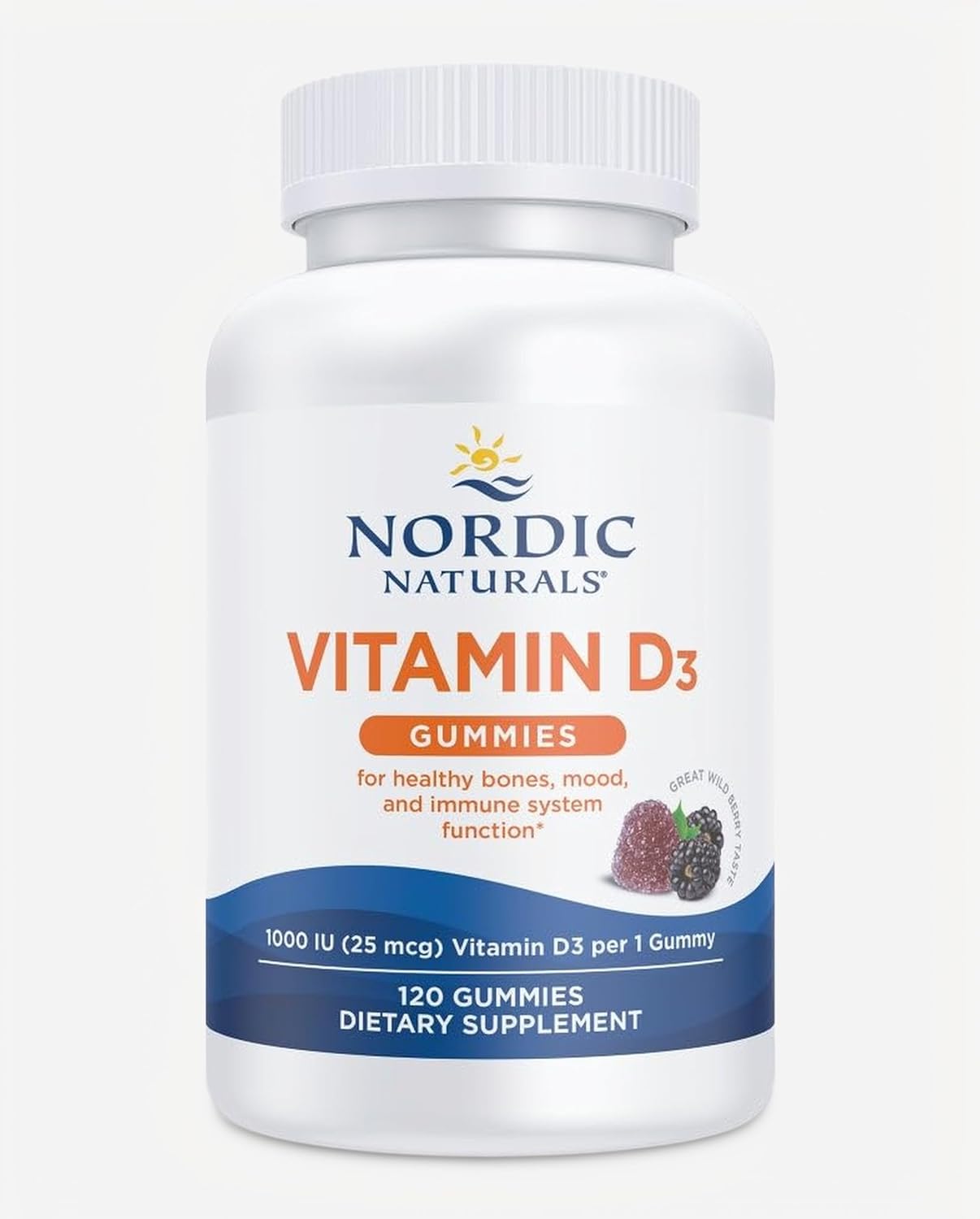


Decoding Vitamin D: Key Benefits, Daily Requirements, and Safe Supplementation

Vitamin D—often called the "sunshine vitamin"—plays a crucial role in bone density, immune modulation, and overall cellular function. Despite its importance, confusion remains widespread regarding appropriate dosage, dietary sources, and when supplementation is medically warranted. Understanding the physiology of Vitamin D empowers consumers to make safe, evidence-based choices for long-term health.
NIH ODS
The Physiology and Health Benefits of Vitamin D
When skin absorbs ultraviolet B (UVB) radiation from sunlight, it synthesizes Vitamin D3 (cholecalciferol). The liver and kidneys subsequently convert this pre-hormone into 25-hydroxyvitamin D [25(OH)D], the primary circulating biomarker used to measure Vitamin D status in blood tests.
NIH ODS
Bone Mineralization: Vitamin D promotes intestinal absorption of calcium and phosphorus. Without adequate levels, bones can become brittle, leading to osteomalacia in adults or compounding osteoporosis risks in older populations.
NIH ODS
Immune System Support: Immune cells possess Vitamin D receptors, using the nutrient to modulate response pathways and suppress excessive inflammatory cytokine release.
NIH ODS
Cardiovascular and Metabolic Health: Observational and clinical research indicates that maintaining optimal Vitamin D status supports baseline metabolic processes and vascular function.
NIH ODS
Case Study: Population-Wide Fortification Success
A compelling real-world demonstration of Vitamin D's public health impact comes from Finland. Facing severe population-wide deficiencies due to northern latitudes and limited winter sunlight, Finland introduced a systematic food fortification program.
PMC - NIH
According to a longitudinal population analysis published in PMC, Finland mandatory fortification of liquid dairy products and spreadable fats led to a dramatic rise in average serum 25(OH)D concentrations across all age groups. This intervention virtually eliminated clinical deficiency across the general public without relying on individual high-dose supplementation strategies.
PMC - NIH
Recommended Daily Allowances and Safe Limits
Dietary requirements vary based on age, lifestyle, geographic location, and baseline health conditions.
NIH ODS
Infants (0–12 months): 400 International Units (IU) per day.
NIH ODS
Children and Adults (Ages 1–70): 600 IU (15 mcg) per day.
NIH ODS
Adults Aged 71+: 800 IU (20 mcg) per day to support bone density.
NIH ODS
Tolerable Upper Intake Limit: 4,000 IU per day for healthy adults.
Harvard Health
Exceeding the safe upper limit through over-supplementation can trigger hypercalcemia—a condition marked by excessive calcium buildup in the bloodstream, which may compromise kidney function and blood vessel integrity.
Harvard Health
Dietary Sources vs. Sunlight Exposure
While exposure to midday sunlight remains a primary source, geographic latitude, melanin density, sunscreen usage, and seasonal shifts frequently reduce natural synthesis. Consuming nutrient-dense foods offers a stable, year-round alternative.
Harvard Health
Source Category Specific Examples Key Benefit
Fatty Fish Salmon, trout, mackerel, sardines Highest natural dietary concentration
Fortified Foods Dairy milk, plant-based milks, orange juice Consistent, manageable daily intake
Whole Foods Egg yolks, beef liver Natural companion nutrients
According to updated clinical guidelines summarized by Harvard Health, healthy adults without diagnosed deficiencies or absorption disorders rarely require megadoses. A routine blood test evaluated alongside a primary healthcare physician remains the safest path to determine individual daily needs.
Harvard Health
Sources
NIH National Institutes of Health - Vitamin D Fact Sheet
NIH ODS
Harvard Health - Vitamin D Supplementation and Health Risks
Harvard Health
PMC - Trends in Vitamin D Status Around the World
PMC - NIH
LuckeLadybug
News
Inside the Rise and Game Mechanics of Tennis Star Tallon Griekspoor


