


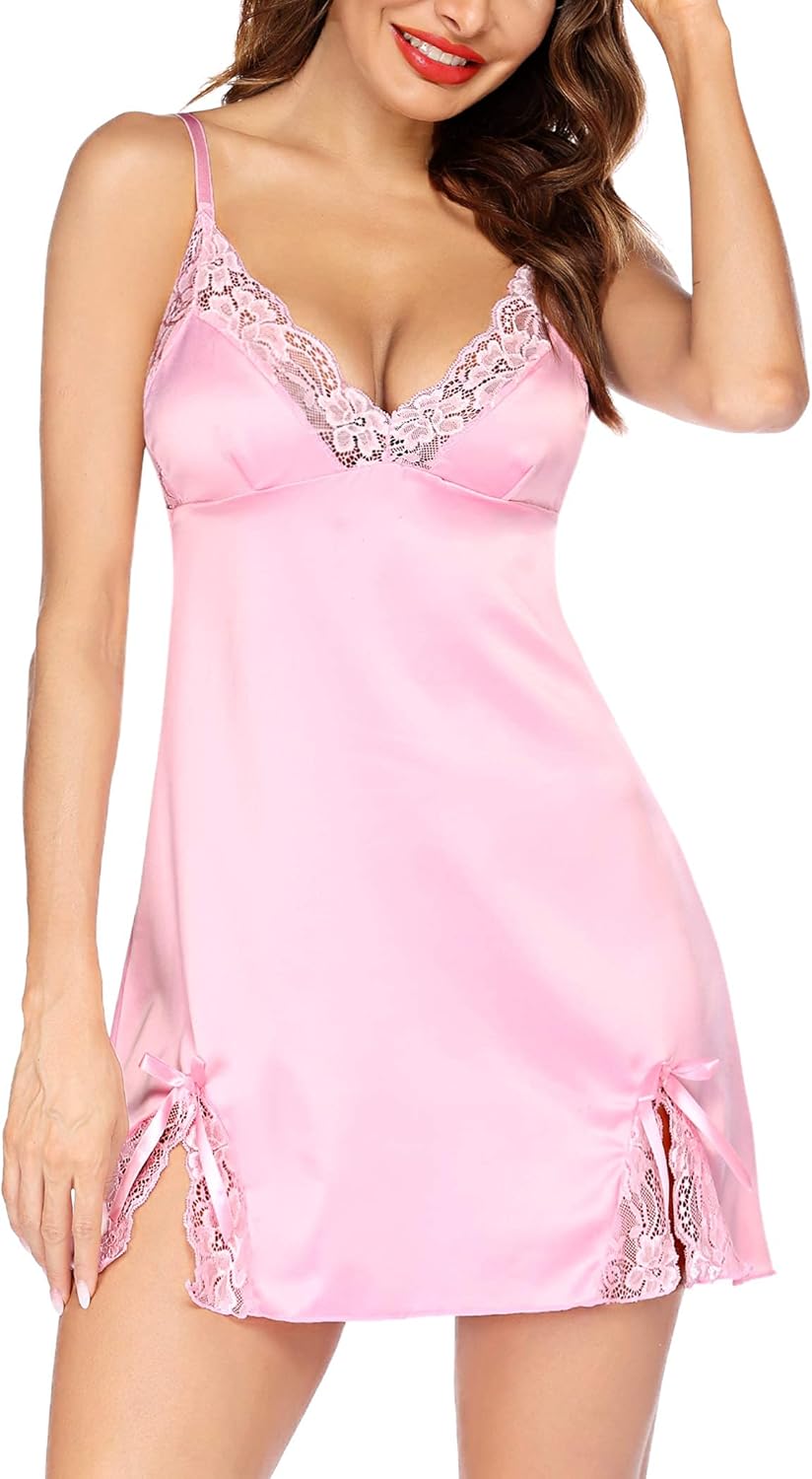


Womens Lingerie Guide: How to Choose the Right Fit, Fabric, Style, and Care

Womens Lingerie can be expressive, practical, romantic, costume-inspired, or all of those things at once—but the best choice starts with more than appearance. Understanding fit, fabric, construction, intended use, and care can help you choose pieces that feel comfortable and remain wearable beyond a single occasion.
Start With How You Plan to Wear It
Before comparing lace, silhouettes, or decorative details, decide what you want the garment to do. Everyday underwear, special-occasion lingerie, sleepwear, and costume-oriented pieces can place very different demands on fit and construction.
For example, a lace babydoll maid costume lingerie dress is primarily an expressive, costume-style garment. Its babydoll silhouette, lace detailing, and themed design make visual styling central to the piece, so it should not automatically be evaluated by the same standards as a supportive everyday bra or basic underwear.
A useful first question is therefore: What matters most for this particular piece—support, comfort, layering, appearance, movement, or a combination of these?
Understand the Babydoll Silhouette
A babydoll typically uses a relatively fitted upper section followed by fabric that falls more freely over the torso. This creates a distinctive silhouette while reducing the amount of close-fitting fabric around the waist and hips.
In a costume-style lingerie dress, decorative lace and thematic details can make the garment more elaborate. When assessing one, look closely at:
Where the upper section sits on the bust and ribcage.
Whether straps are adjustable.
How freely the skirt portion falls.
Whether lace edges contact sensitive areas.
Whether decorative pieces restrict sitting or movement.
What, if anything, is included beyond the main garment.
The last point matters because product photographs can show accessories or styling pieces that are not necessarily part of the garment itself.
Fit Should Come Before the Size Letter
A familiar size such as S, M, or L does not tell the whole story. Two lingerie garments carrying the same size label can fit differently because of their cut, stretch, construction, and proportions.
Use actual garment measurements or the provided size chart whenever possible. Compare the measurements with your body rather than assuming your usual clothing size will translate perfectly.
For a babydoll or lingerie dress, pay particular attention to the bust and underbust area first. The freer lower silhouette may provide more flexibility around the waist and hips, while the upper portion can determine whether the garment actually feels secure and comfortable.
A practical example illustrates the point: someone who normally wears a medium dress may discover that the medium version of a fitted lingerie piece is restrictive through the bust. Choosing according to measurements rather than the letter on the label can prevent that mismatch.
Fabric Changes How Lingerie Feels
Fiber content matters, but construction matters too. Polyester and elastane, for example, can be combined to create lightweight garments with varying degrees of stretch, while lace introduces its own texture and structure.
Do not assume that the presence of elastane guarantees substantial stretch. The percentage of each fiber, the knit or weave, seams, elastic components, lace construction, and garment design all influence how much a finished piece actually gives.
For intimate areas, breathability and irritation are also worth considering. The American College of Obstetricians and Gynecologists (ACOG) recommends avoiding tight-fitting underwear and advises choosing underwear with a cotton panel as part of general vulvar-care guidance. American College of Obstetricians and Gynecologists
ACOG
That does not mean every lingerie garment needs to be made entirely from cotton. Rather, it highlights why the construction of the area directly contacting the body can deserve as much attention as the decorative outer fabric.
Check Lace and Decorative Details Carefully
Lace creates visual texture without requiring heavy fabric, which is one reason it appears so frequently in lingerie. However, different lace constructions can feel remarkably different against the skin.
Before extended wear, examine the garment for:
Rough lace edges that rub against the body.
Seams or elastic that dig into the skin.
Decorative elements positioned at pressure points.
Loose threads or unfinished edges.
Fasteners that become uncomfortable when sitting.
If a garment causes persistent rubbing, burning, or irritation, changing the fit or fabric is more sensible than simply tolerating it. ACOG's vulvar-care guidance recommends avoiding tight clothing and potential irritants when vulvar discomfort is a concern. American College of Obstetricians and Gynecologists
ACOG
Costume Lingerie Has Different Priorities
Costume-oriented lingerie occupies an interesting space between clothing, intimate apparel, and dress-up fashion. A maid-style babydoll dress, for example, may emphasize lace, contrasting details, a recognizable silhouette, and coordinated accessories more heavily than everyday functionality.
That changes the questions worth asking. Instead of focusing only on conventional lingerie features, consider whether the costume remains comfortable while standing, sitting, walking, and bending.
This distinction also helps set realistic expectations. A highly decorative garment can be excellent for occasional dress-up while being less practical for long-duration everyday wear—and there is nothing contradictory about that.
Use a Quick Movement Test
A garment can appear to fit perfectly while you are standing still and become uncomfortable as soon as you move. After trying on lingerie, spend a few minutes testing normal movement.
Walk around, sit down, raise your arms, bend gently, and turn your torso. The garment should remain reasonably positioned without persistent pinching, severe riding up, or constant adjustment.
For babydoll styles, observe both halves of the garment. The upper section should remain comfortably positioned while the looser portion should have enough freedom to fall naturally rather than pulling against the body.
Care for Delicate Lingerie According to Its Label
Lace, elastic, decorative trim, and lightweight fabrics can respond differently to heat, agitation, bleach, and drying. That makes the garment's actual care instructions more reliable than a generic rule such as "all lingerie should be hand washed."
The Federal Trade Commission's Care Labeling Rule requires covered textile apparel to carry appropriate regular-care instructions, including relevant warnings when ordinary cleaning procedures could damage the garment. Federal Trade Commission
Federal Trade Commission
Follow those instructions first. For delicate pieces, also consider fastening hooks before washing when appropriate, keeping snag-prone lace away from rough hardware, and storing elaborate garments so decorative elements are not crushed or caught on neighboring clothing.
Comfort Is Useful Feedback
Lingerie does not need to disappear against the body, particularly when it is deliberately decorative, but discomfort should not be treated as an unavoidable part of the style.
Red marks from firm elastic may occasionally appear temporarily, but persistent pain, chafing, itching, or burning deserves attention. Adjusting the size, changing the garment construction, or selecting a different fabric may solve the problem.
ACOG also advises avoiding perfumed products and other potential irritants around the vulvar area and emphasizes gentle care when irritation occurs. American College of Obstetricians and Gynecologists
ACOG
Build a Lingerie Wardrobe Around Purpose
Rather than searching for one style that does everything, it can be more useful to think in terms of different roles. Everyday underwear can prioritize breathability and uncomplicated comfort, while special-occasion pieces can emphasize unusual fabrics and silhouettes.
A costume-inspired lace babydoll can occupy another role entirely: a visually distinctive piece chosen primarily for dress-up and personal expression. Separating these purposes makes it easier to judge each garment fairly instead of expecting every piece to satisfy identical requirements.
The simplest next step is to evaluate any lingerie piece in this order: purpose, measurements, construction, comfort, movement, and care. When those fundamentals work for you, aesthetic details such as lace, color, and costume styling can become the enjoyable final decision.
Sources
American College of Obstetricians and Gynecologists — Vulvovaginal Health
American College of Obstetricians and Gynecologists — Disorders of the Vulva
Federal Trade Commission — Care Labeling Rule
LuckeLadybug
News
Jordan Elliott: NFL Career, Defensive Tackle Skills, and What Makes Him Effective


