
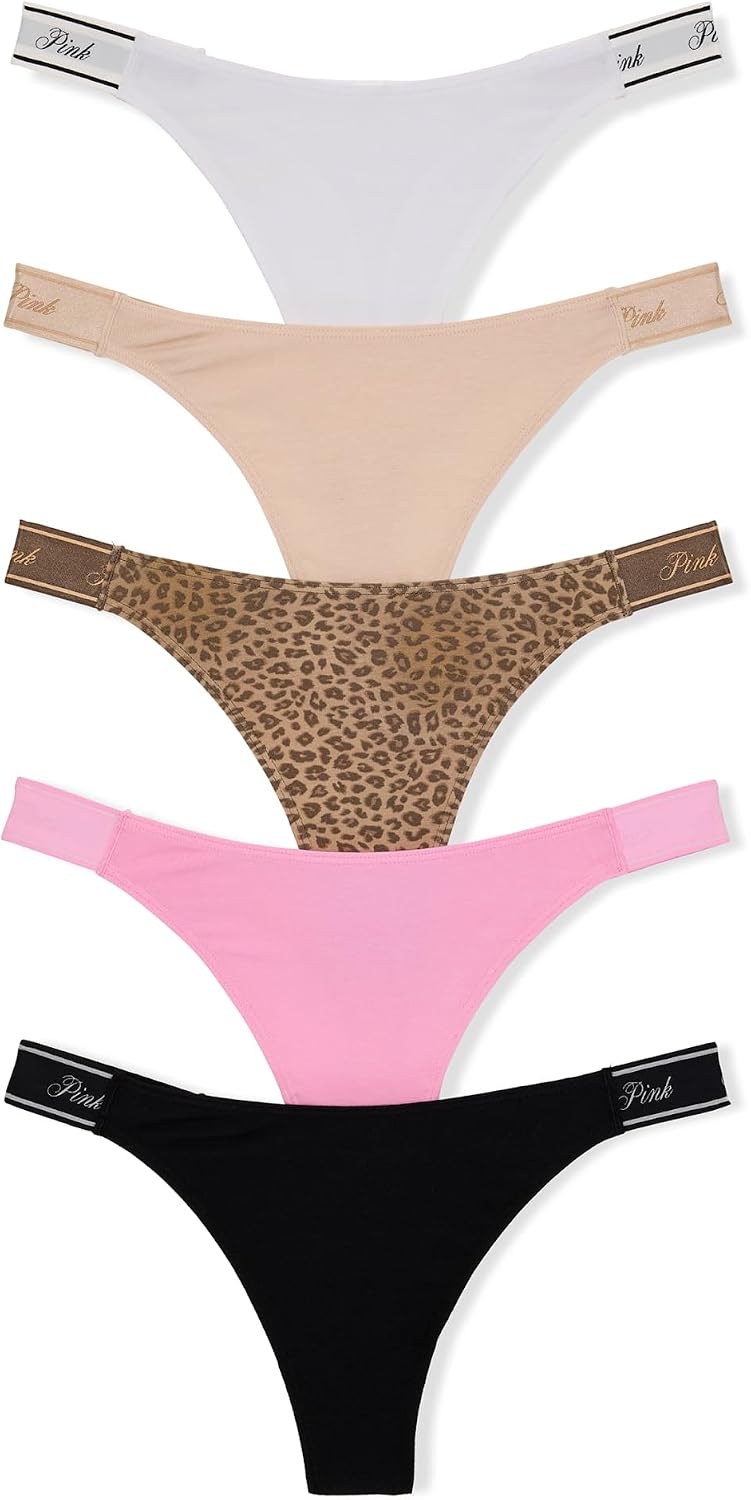


Womens Lingerie Fit Guide: How to Choose High-Rise Mesh and G-String Underwear for Comfort

Finding underwear that looks delicate but still feels comfortable comes down to more than choosing a style you like. With Womens Lingerie, understanding rise, coverage, fabric composition, and fit can help you choose pieces that work better with your body, clothing, and daily routine.
Start With Rise, Not Just Size
The "rise" describes where underwear is intended to sit relative to the waist and hips. High-rise underwear generally extends farther up the torso than low-rise styles, but the exact position can vary because bodies and garment patterns differ.
A high-rise G-string, such as a lightweight mesh style made primarily from nylon with added spandex, combines two seemingly opposite design choices: more height around the waist and very minimal coverage at the back. This can be useful when you want a higher waistband without the fuller rear coverage of briefs.
When comparing rises, consider what you normally wear:
High-rise: Often pairs naturally with high-waisted pants, skirts, and dresses.
Mid-rise: A versatile choice when waistlines vary across your wardrobe.
Low-rise: Usually works better beneath garments that sit lower on the hips.
The practical test is simple: the waistband should stay where intended without persistent rolling, digging, or needing adjustment.
Understand What a G-String Changes
A G-string minimizes fabric across the back, which can reduce the amount of underwear visible beneath close-fitting clothing. That does not automatically make it the best choice for every outfit or every person.
Fit becomes particularly important because there is less fabric available to distribute pressure. A waistband that is too small may feel restrictive, while an oversized garment can shift instead of staying securely positioned.
For example, imagine two people wearing the same fitted knit dress. One might prefer seamless briefs because greater coverage feels more secure, while the other might choose a G-string because minimizing visible underwear lines is the priority.
Neither solution is universally better; the appropriate choice depends on comfort, garment construction, and personal preference.
Know What Mesh Fabric Brings to the Design
Mesh describes an open textile structure rather than one specific fiber. A mesh garment can therefore behave differently depending on whether it is constructed from nylon, polyester, cotton, elastane, or a blend.
A high-rise mesh G-string made from nylon with a small proportion of spandex illustrates a common functional pairing. Nylon supplies a lightweight synthetic foundation, while spandex is used because of its high elasticity.
The Federal Trade Commission explains that textile products use standardized generic fiber names and generally require fiber-content identification, which is useful when comparing garments beyond appearance alone. Federal Trade Commission
When evaluating mesh underwear, pay attention to:
How readily the material returns to shape after being stretched.
Whether seams or edges feel rough against sensitive areas.
Whether the waistband remains flat rather than twisting.
How transparent the mesh is if that matters beneath a particular outfit.
The garment's care label and fiber-content information.
These details often tell you more about practical wear than descriptive terms such as "lightweight" or "delicate."
Check the Fit Before Judging the Style
Sizing labels alone cannot guarantee a good fit. The U.S. National Institute of Standards and Technology notes that clothing sizing has long presented challenges because body dimensions and sizing systems vary, reinforcing the value of using actual measurements rather than relying solely on a familiar size designation. NIST
For high-rise underwear, waist and hip measurements are particularly useful. Compare your measurements with the sizing information provided for the specific garment whenever that information is available.
Once it is on, check three areas:
Waist: The band should remain secure without painfully digging into the skin.
Hips: Openings should follow the body without excessive pinching or looseness.
Movement: Sit, bend, and walk for a few minutes to see whether the garment shifts noticeably.
A piece that looks correct while standing still but constantly requires adjustment during movement is probably not providing the right fit.
Match Underwear to the Outer Garment
Underwear works as part of a clothing system. Fabric thickness, opacity, seams, waist height, and the cut of the outer garment can all affect which lingerie style works best.
Consider a fitted high-waisted skirt made from relatively thin material. A high-rise G-string could keep the waistband closer to the skirt's natural waist while reducing fabric across the back, but its waistband or seams could still show if they are prominent enough.
Under loose trousers, meanwhile, minimizing visible lines may matter much less. A fuller brief could be preferable simply because the wearer finds it more comfortable.
This is why choosing lingerie according to the day's clothing is often more effective than expecting one underwear silhouette to work equally well with everything.
Pay Attention to the Gusset
One small area deserves disproportionate attention: the gusset, or the fabric section positioned against the genital area. Examine its material, construction, seams, and care instructions rather than assuming the main body fabric tells the whole story.
The American College of Obstetricians and Gynecologists recommends breathable clothing and cotton underwear among measures that can help reduce vulvar irritation. It also advises avoiding products and practices that can irritate sensitive vulvar tissue. American College of Obstetricians and Gynecologists
That does not mean every garment must be entirely cotton. Instead, check the complete garment information—including gusset composition when provided—and pay attention to how your skin responds during actual wear.
Persistent itching, burning, pain, unusual discharge, or other symptoms should not simply be attributed to an inconvenient underwear fit. A healthcare professional can help determine the cause.
Care Matters More With Delicate Mesh
Mesh and highly elastic garments can require gentler handling than heavier everyday fabrics. Heat, aggressive washing, and rough surfaces may affect delicate fibers or elastic components over time.
The garment's care label should always take priority because manufacturers specify appropriate cleaning instructions for the particular construction. The FTC provides consumer guidance explaining how care labels communicate procedures for washing, bleaching, drying, ironing, and professional cleaning. Federal Trade Commission
For delicate lingerie, a practical routine is to inspect the label first, separate pieces that could snag, and avoid automatically treating a fine mesh garment like a heavyweight T-shirt.
Build a Lingerie Drawer Around Uses
A useful lingerie collection does not need dozens of nearly identical pieces. A smaller selection of different constructions can cover different clothing and comfort needs more effectively.
For example, a practical rotation might include fuller-coverage underwear for everyday wear, smooth or seamless styles for fitted clothing, and a high-rise mesh G-string for occasions when a higher waistband and minimal back coverage work particularly well.
The central question is not "Which lingerie style is best?" It is "Which combination of rise, coverage, fabric, and construction is best for what I'm wearing and doing today?"
Make Comfort the Final Test
Style descriptions can help narrow your options, but your body provides the most useful final feedback. Well-fitting underwear should allow ordinary movement without repeatedly demanding your attention.
For Womens Lingerie, treat high-rise, mesh, and G-string as separate characteristics rather than assuming they automatically produce a particular fit. Check measurements, fiber content, gusset construction, garment care, and how the piece behaves while you move; those practical details are what turn an attractive design into underwear you will actually want to wear.
Sources
American College of Obstetricians and Gynecologists
Federal Trade Commission — Textile Labeling Requirements
Federal Trade Commission — Care Labeling
NIST — Clothing Sizes
LuckeLadybug
News
How to Plan a Seamless Trip to Your Final Destination Without Travel Friction


