
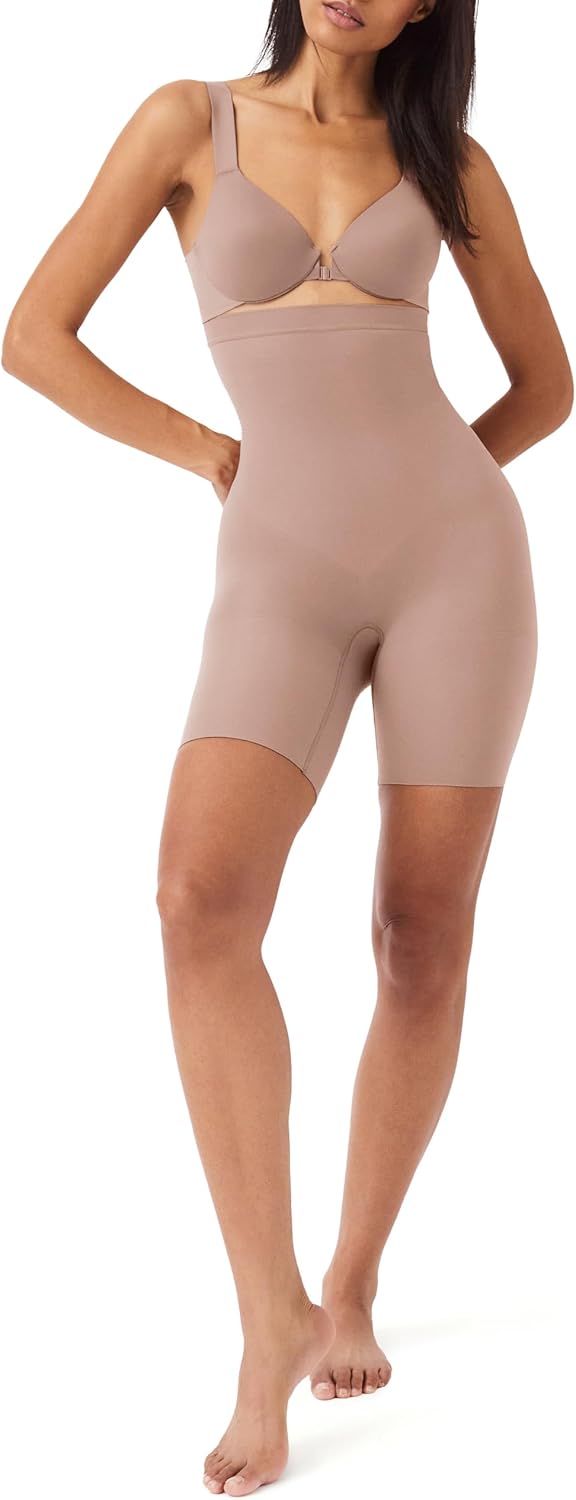


Womens Lingerie and Special-Occasion Dressing: A Practical Guide to Comfort, Fit, and Layering

What you wear underneath a special-occasion outfit can determine whether you spend the day feeling comfortable and confident or constantly adjusting your clothes. The same principles used to choose Womens Lingerie—fit, fabric, coverage, and thoughtful layering—can also help when planning costumes, fitted dresses, embroidered garments, and other elaborate outfits.
Start With the Outfit, Not the Underlayer
The best foundation depends on what goes over it. Before choosing an underlayer, examine the garment's neckline, sleeve shape, opacity, structure, embellishments, and how closely it fits the body.
A fitted dress may benefit from smooth, low-profile layers, while an embroidered or decorative costume may need something soft underneath to prevent textured seams or embellishments from rubbing against the skin.
Consider four questions:
Where does the outer garment touch the body most closely?
Could straps, seams, or edges become visible?
Is the fabric sheer enough to require additional coverage?
Will the outfit be worn for a short event or for several hours?
Answering these questions first makes it easier to prioritize comfort instead of selecting an underlayer solely by appearance.
Why Fabric and Construction Matter
Fabric content affects how a garment feels, stretches, breathes, and responds to washing. In the United States, the Federal Trade Commission explains that most textile and wool products must disclose fiber content, while covered clothing also carries care information. Federal Trade Commission
Read those labels rather than assuming a garment's composition from its appearance. Two pieces that look nearly identical can feel quite different against the skin because of their fibers, seams, elastic, dyes, or decorative components.
For garments worn close to the body, pay particular attention to:
Fiber composition and stretch
Rough seams or stiff edges
Elastic placement
Embroidery and appliqués
Interior labels and tags
Washing and drying instructions
The FTC's Care Labeling Rule requires covered textile apparel to provide regular-care instructions or appropriate warnings when particular cleaning methods could harm the garment. FTC Care Labeling Rule
A Useful Example: An Embroidered Light-Up Costume Dress
Consider a girls' LED-light embroidered mermaid costume dress designed for dress-up occasions. Although this is a costume rather than lingerie, it illustrates why layering decisions should account for more than silhouette.
Embroidery can introduce textured areas, while integrated decorative lighting makes the garment more complex than an ordinary dress. A practical approach is to check the inside of the costume before wear and identify anything that could press, scratch, or rub during movement.
A comfortable base layer can also reduce direct contact between sensitive skin and decorative interior surfaces. For a child's costume, however, comfort should never override following the garment's supplied safety and care instructions, particularly when electrical decorative components are present.
Fit Should Be Tested in Motion
A garment that fits while standing in front of a mirror may behave differently after sitting, bending, walking, or reaching. This is particularly important with lingerie, shapewear, fitted dresses, and costumes.
Try a short movement test after getting dressed:
Sit normally and check for digging waistbands or seams.
Raise both arms and see whether anything shifts excessively.
Walk and bend to identify rubbing or bunching.
Check straps and edges after moving rather than immediately after dressing.
Confirm that the outer garment still hangs naturally.
If an underlayer repeatedly rolls, pinches, slides, or requires adjustment, changing the size or style is usually more practical than tolerating discomfort for hours.
Sensitive Skin Deserves Extra Attention
Skin sensitivity can turn a seemingly minor clothing detail into a significant distraction. The American Academy of Dermatology notes that clothing dyes, metals, and fabrics can contribute to contact dermatitis and that rough fabrics and some synthetics may irritate sensitive skin. American Academy of Dermatology
The AAD also recommends washing new clothes before wearing them as one measure that can help remove dyes or chemical residues that could trigger a reaction. AAD Contact Dermatitis Tips
For someone with known sensitivity, a sensible approach is to favor comfortable materials already known to work well for their skin and avoid experimenting with several unfamiliar fabrics at once immediately before an important event.
Don't Confuse Tightness With Support
One of the most useful principles when choosing Womens Lingerie is that supportive does not automatically mean extremely tight. A well-fitting garment should perform its intended function without creating unnecessary pressure, painful marks, restricted movement, or constant awareness of the garment.
For example, someone preparing for an evening in a fitted dress might initially choose the firmest possible shapewear. If sitting becomes uncomfortable after ten minutes, however, a lighter-support piece with smoother edges may provide a better overall result because it remains wearable throughout the event.
Comfort is therefore part of successful fit, not an optional bonus.
Costumes Require an Additional Safety Check
Decorative costumes deserve their own inspection, particularly when children will wear them. The U.S. Consumer Product Safety Commission advises consumers to consider flame resistance and to avoid flimsy materials or excessively billowing costume elements around ignition sources. U.S. Consumer Product Safety Commission
The CPSC also recommends improving visibility for costumes worn around traffic after dark, including the use of reflective trim or tape. These considerations are especially relevant when an elaborate dress is intended for evening parties, Halloween activities, or outdoor celebrations.
For a light-up costume, inspect the item according to its supplied instructions before each use. Stop using it if its lighting components, wiring, battery compartment, or surrounding fabric appear damaged rather than attempting an improvised repair while it is being worn.
Build Layers From the Skin Out
A simple sequence makes complicated outfits easier to plan.
Start with the layer touching the skin and prioritize comfort and fit. Add any necessary coverage or support next, followed by the main garment and finally decorative accessories.
For a formal dress, that might mean a smooth undergarment followed by the dress and jewelry. For an embroidered costume, it could mean a comfortable base layer, the costume itself, and then removable accessories.
This skin-out approach helps prevent the common mistake of assembling a visually impressive outfit first and only afterward discovering that its individual layers rub, show through, or interfere with one another.
Check Care Instructions Before the First Wash
Special garments can combine materials that tolerate cleaning differently. Embroidery, elastic, padding, appliqués, decorative finishes, and electronic components may all change what constitutes appropriate care.
Always follow the garment's actual care instructions rather than applying a generic washing method. This is particularly important for light-up garments, where the presence of electrical components means an ordinary laundering routine should never be assumed to be appropriate.
Care also matters for everyday lingerie because heat and aggressive washing can affect certain elastic or delicate components. The garment's label remains the best starting point for deciding how that specific piece should be cleaned.
A Better Special-Occasion Routine
Instead of discovering problems minutes before leaving, conduct a complete trial fitting in advance. Put on every layer you expect to wear, move around for 15 to 20 minutes, and check comfort, coverage, movement, and visible lines.
For children's costumes, use that fitting to inspect decorative elements and make sure the child can walk and move comfortably. For adult lingerie and formalwear, use it to identify straps that migrate, waistbands that roll, seams that show, or materials that become uncomfortable with prolonged contact.
The goal is straightforward: choose layers that allow the final outfit to do its job without demanding constant attention.
Takeaway
Successful dressing begins underneath the visible outfit. Whether you're selecting Womens Lingerie for a fitted evening dress or planning comfortable layers beneath an embroidered costume, prioritize appropriate fit, known fabric information, skin comfort, movement, care requirements, and garment-specific safety considerations.
Before your next special occasion, do one complete trial fitting rather than evaluating each garment separately. A few minutes spent checking how all the layers work together can prevent hours of unnecessary adjusting and discomfort.
Sources
Federal Trade Commission — Apparel and Labeling
FTC — Care Labeling of Textile Wearing Apparel
U.S. Consumer Product Safety Commission — Clothing
U.S. Consumer Product Safety Commission — Halloween Safety
American Academy of Dermatology — Contact Dermatitis
American Academy of Dermatology — Contact Dermatitis Tips
LuckeLadybug
News
How to Plan a Seamless Trip to Your Final Destination Without Travel Friction


