
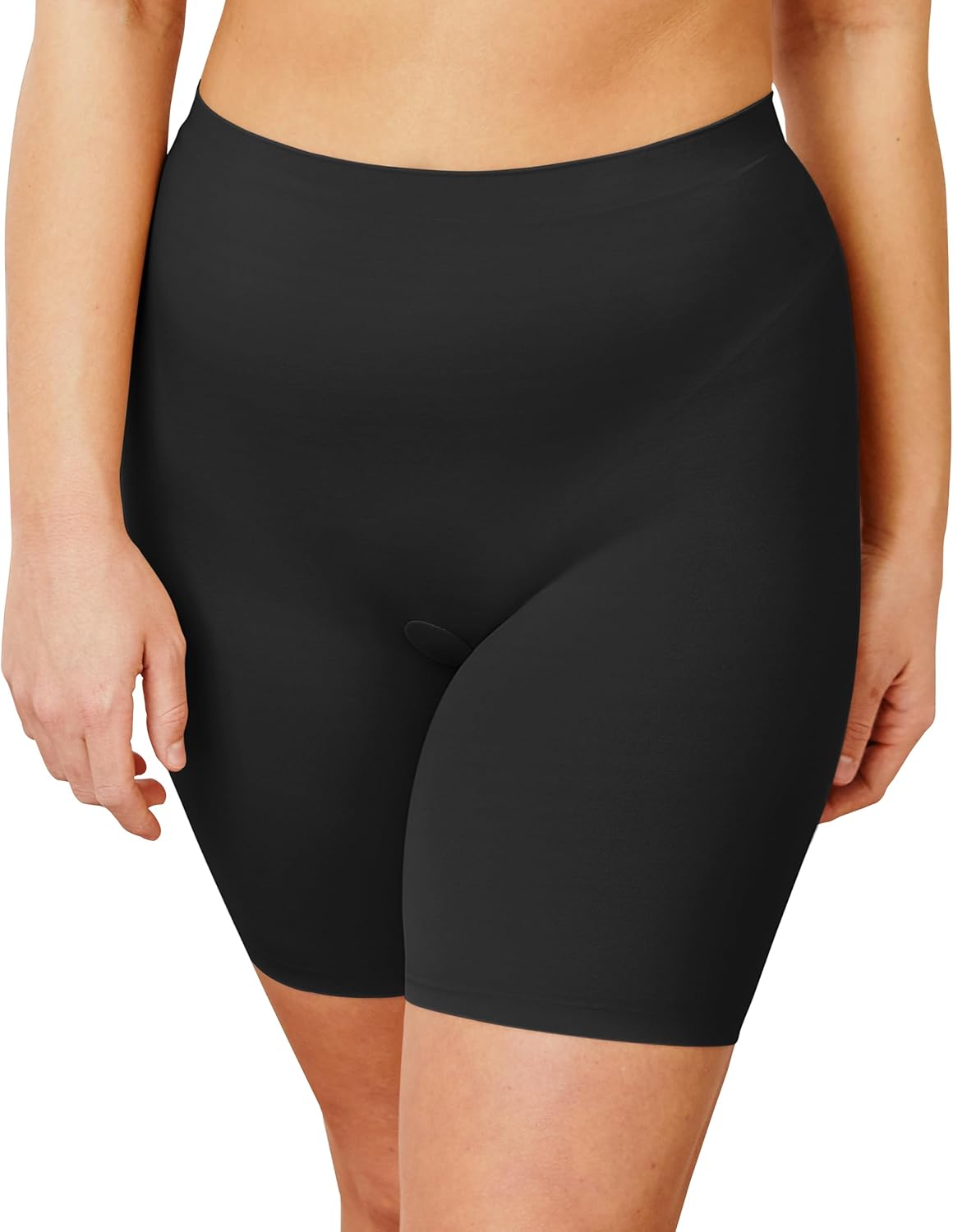


Womens Lingerie and Costume Dressing: A Practical Guide to Comfort, Coverage, and Layering

Choosing what to wear beneath a costume can make the difference between an outfit that looks good for a few minutes and one that stays comfortable through an entire party. The same principles used to choose Womens Lingerie—fit, coverage, fabric, support, and thoughtful layering—can be surprisingly useful when preparing costumes for both adults and children.
Start With the Costume, Not the Undergarment
A costume's construction should determine what goes underneath it. Neckline, sleeve shape, skirt volume, fabric opacity, closures, and movement all affect whether an additional base layer is useful.
For example, a girls mermaid costume party dress with a square collar and coordinated accessories presents different practical considerations from an everyday dress. Because it is intended for occasions such as birthdays, Halloween, carnivals, and parties, comfort during walking, sitting, playing, and posing matters just as much as the finished fantasy look.
Before choosing layers, check:
Whether the fabric becomes sheer under bright light.
Whether seams, sequins, appliqués, or other decorations feel rough against the skin.
Whether the neckline stays securely positioned during movement.
Whether the skirt allows comfortable walking and sitting.
Whether accessories have cords, ties, clips, or small components that require extra attention.
This simple inspection prevents many costume-day problems before they begin.
Why Fit Matters More Than the Size Label
Whether choosing everyday Womens Lingerie or a base layer for a costume, the number or letter printed on a label is only a starting point. Actual comfort depends on how the garment interacts with the wearer's body during normal movement.
A useful fit test involves standing, sitting, bending, raising the arms, and walking around. A garment that appears perfectly fitted while someone stands still may ride up, pinch, slip, or restrict movement once activity begins.
For children's clothing in particular, the American Academy of Pediatrics recommends considering practical clothing safety, including potential hazards associated with drawstrings and certain decorative elements. American Academy of Pediatrics
Choose Age-Appropriate Base Layers for Children's Costumes
Adult lingerie and children's costume underlayers serve fundamentally different purposes and should not be treated as interchangeable categories. For a child's mermaid party dress, the priority is ordinary, age-appropriate clothing that provides comfort and coverage.
Depending on the costume, practical options can include:
Regular underwear in the child's correct size.
Comfortable shorts beneath a skirt.
Leggings or tights when additional warmth or coverage is appropriate.
A simple camisole or undershirt if the costume fabric feels scratchy.
A lightweight long-sleeve base layer for colder outdoor events.
Consider the entire outfit rather than trying to make the underlayer invisible at all costs. A comfortable child who can move naturally is usually better prepared for a birthday party, carnival, or Halloween activity than one wearing restrictive layers solely to preserve a particular silhouette.
Use Fabric as Your Comfort Guide
Fabric affects heat, moisture, friction, stretch, and how clothing feels after several hours of wear. The Federal Trade Commission explains that textile products generally carry fiber-content information, which can help consumers understand what their clothing is made from. Federal Trade Commission
When fiber information is available, read it rather than assuming a garment's composition from its appearance. Lace, satin-like surfaces, mesh, knits, and costume fabrics can be made from many different fibers and blends.
Also consider the fabric that actually touches the skin. If a decorative costume material feels stiff or abrasive, a soft base layer can create a useful barrier without substantially changing the overall appearance.
Match Coverage to the Outfit
Coverage is not simply a question of modesty. It can also reduce friction, prevent accidental exposure, and make an outfit easier to wear during active events.
Consider a flowing costume skirt at a busy birthday party. A pair of comfortable shorts underneath can allow a child to climb into a chair, play games, or sit on the floor without constantly adjusting the dress.
The equivalent principle applies to adult clothing: choose undergarments according to what the outer garment actually requires. A fitted dress, lightweight skirt, low-rise garment, or sheer panel can each call for a different solution.
Avoid the Common Mistake of Over-Layering
More layers do not automatically produce more comfort. Too many garments can trap heat, create bulky seams, restrict movement, or cause the outer garment to bunch.
A better approach is to give every layer a specific job:
Start with the minimum comfortable base layer.
Add coverage only where it is useful.
Add warmth when weather or venue conditions require it.
Put on the complete costume and test normal movement.
Remove unnecessary layers if the outfit becomes hot, restrictive, or bulky.
This is especially important for energetic events where the wearer may spend hours walking, dancing, or playing.
Think About Temperature Before Leaving Home
Halloween costumes illustrate why layering deserves advance planning. An outfit that feels comfortable indoors may be inadequate outside on a cold evening, while a heavily layered costume can quickly become uncomfortable inside a heated party venue.
The Centers for Disease Control and Prevention advises dressing appropriately for cold conditions and emphasizes the usefulness of layering when spending time outdoors. Centers for Disease Control and Prevention
For a mermaid-style dress worn outdoors, tights, leggings, an undershirt, or an outer layer may therefore be more practical than relying on the costume itself for warmth. When moving between indoor and outdoor environments, removable layers provide greater flexibility.
Check Costume Safety Along With Comfort
A beautiful costume still needs to function safely in the environment where it will be worn. This becomes particularly important around traffic, candles, stairs, crowded rooms, and nighttime Halloween activities.
The U.S. Consumer Product Safety Commission recommends choosing costumes that fit properly to help reduce trips and falls and advises using flame-resistant costumes and accessories. It also recommends improving visibility for children who will be outside after dark. U.S. Consumer Product Safety Commission
Before an event, check that:
The hem does not create a tripping hazard.
Shoes are appropriate for the amount of walking involved.
Masks or accessories do not obstruct vision.
Nothing restricts breathing or normal movement.
Accessories are secure and appropriate for the wearer's age.
Children outdoors after dark can be readily seen.
These checks take only a few minutes but address issues that appearance alone cannot reveal.
A Simple Real-World Costume Test
Imagine a child preparing to wear a mermaid party dress to an afternoon birthday celebration. The dress looks right while she is standing, but the useful test begins when she sits, walks, reaches upward, and plays.
If the skirt shifts considerably while sitting, comfortable shorts may improve coverage. If an interior seam feels irritating, a soft undershirt may provide a barrier; if the room is warm and the dress already provides adequate coverage, adding several more layers would probably work against comfort.
This illustrates a broader clothing principle: solve the problem that actually exists rather than automatically adding garments.
Apply the Same Principles to Womens Lingerie
For adults, the details change, but the decision process remains remarkably similar. Good undergarment choices begin with the outer garment, the activity, personal comfort, and the amount of support or coverage required.
For everyday dressing, ask three questions: Does the undergarment remain comfortably positioned? Does it work beneath the intended clothing? Can it be worn for the expected length of time without unnecessary pressure or irritation?
Appearance matters, but an undergarment that constantly requires adjustment is rarely the best match for the outfit.
Make a Full-Outfit Trial Your Final Step
Do not wait until five minutes before an event to discover that a costume scratches, slips, bunches, or restricts movement. Assemble the complete outfit—including ordinary underlayers, shoes, and accessories—and wear it briefly beforehand.
Walk, sit, bend, and raise the arms. For a child's costume, have an adult check the fit and accessories as well.
The useful takeaway is simple: choose underlayers for function first and appearance second. Whether preparing Womens Lingerie for an adult outfit or comfortable everyday layers beneath a child's mermaid costume, the best combination is the one that provides appropriate coverage, supports natural movement, suits the temperature, and lets the wearer enjoy the occasion without constantly thinking about the clothing.
Sources
American Academy of Pediatrics
Centers for Disease Control and Prevention
U.S. Consumer Product Safety Commission
LuckeLadybug
News
Jordan Elliott: NFL Career, Defensive Tackle Skills, and What Makes Him Effective


