
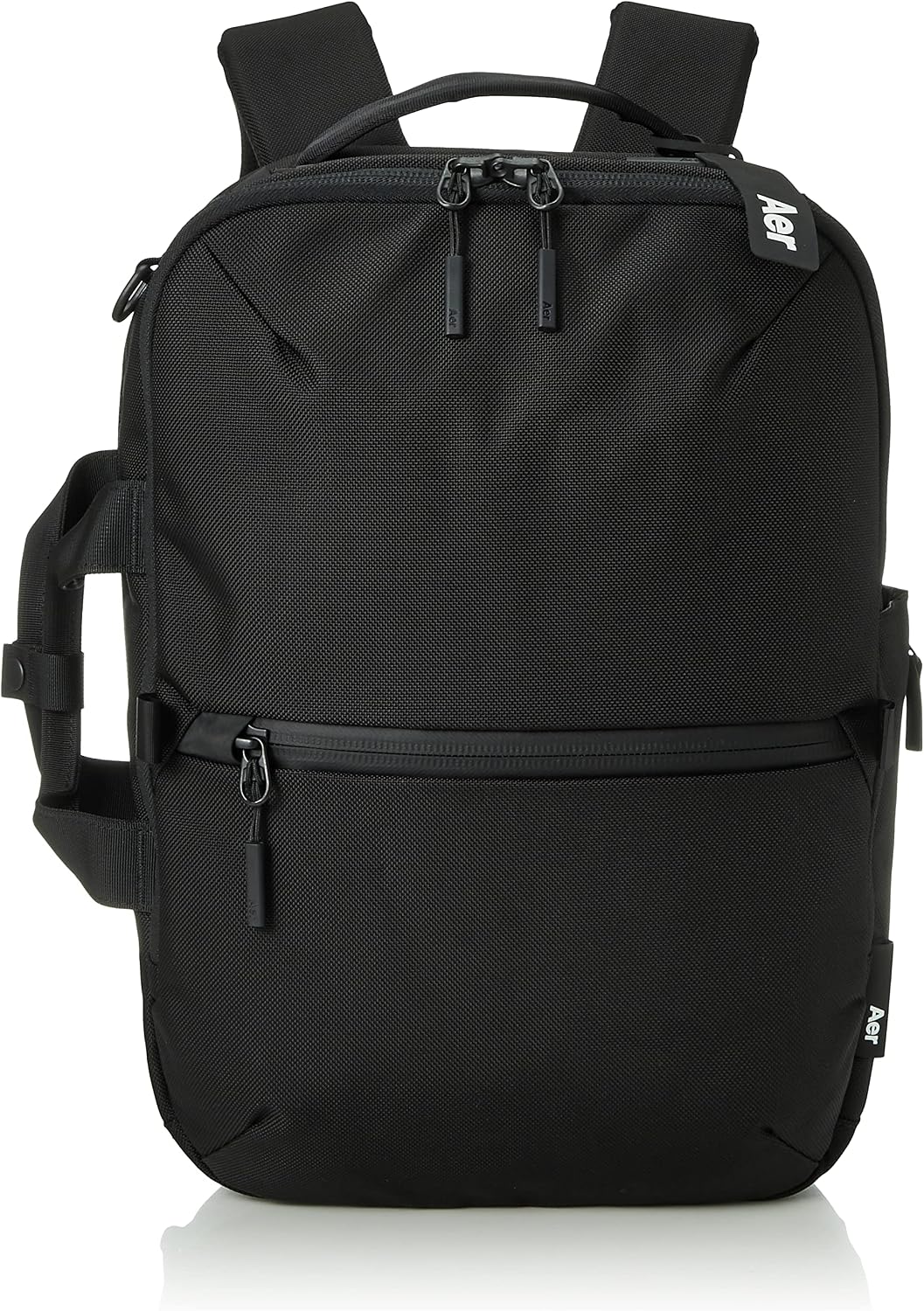


The Ultimate Guide to Modern Backpacks: Balancing Capacity, Ergonomics, and Weatherproof Protection

Backpacks
This article explores Backpacks, including its background, practical context, and real-world significance.
Whether navigating a morning subway crush, dashing between university lectures, or boarding an overnight flight, modern commuters demand gear that seamlessly transitions between work, travel, and daily life. Modern everyday carry gear has evolved far beyond basic canvas sacks. Today's high-capacity waterproof carry-alls for both men and women serve as mobile offices and travel companions designed to protect valuable electronics while keeping physical strain to a minimum.
Selecting the ideal bag requires looking beyond aesthetics to evaluate ergonomic support, weatherproofing technology, and smart volume organization.
Ergonomics and Weight Distribution: Protecting Your Spine
Carrying daily essentials—laptops, chargers, documents, water bottles, and extra layers—adds up quickly in weight. According to health recommendations outlined by the Brentwood Chiropractic Group, a fully loaded bag should never exceed 10% to 15% of the wearer's total body weight. Exceeding this limit forces the body to lean forward, straining the neck, shoulders, and lumbar spine.
Chiro.org
To maintain healthy posture during daily movement, look for key ergonomic structural elements:
Contoured S-Curve Shoulder Straps: Straps designed with an ergonomic "S" curve distribute weight natural across the chest and shoulders without digging into sensitive armpit nerves.
Chiro.org
High-Density Foam Padding: Wide, padded shoulder straps absorb impact and prevent localized pressure points during long walks.
Chiro.org
Targeted Back Panel Placement: The bottom of the bag should rest naturally in the curve of your lower back, staying no more than 2 to 4 inches below the waistline to keep the center of gravity close to your body.
Brentwood Chiropractic Group
Dual-Strap Usage: Always wear both shoulder straps. Carrying heavy loads over a single shoulder causes lateral spine tilting and muscle imbalances over time.
Brentwood Chiropractic Group
Weatherproofing Demystified: TPU Coatings vs. Standard Water Resistance
Rain and urban splashes can quickly ruin laptops and paper documents. Understanding how fabrics repel water ensures your gear stays protected in adverse weather.
+------------------+-----------------------+--------------------+--------------------------------+
| Technology Type | Hydrostatic Head Rating| Durability | Best Use Case |
+------------------+-----------------------+--------------------+--------------------------------+
| Standard PU | 1,000 – 5,000 mm | Moderate | Light rain, casual city use |
| TPU Coating | 10,000 – 20,000 mm | High | Heavy rain, daily commuting |
| Laminated | 20,000+ mm | Very High | Extreme outdoor exposure |
+------------------+-----------------------+--------------------+--------------------------------+
While basic water-repellent fabrics bead off light mist, true waterproof performance requires advanced coatings like Thermoplastic Polyurethane (TPU). TPU coatings offer flexible, high-density barriers rated to withstand significant water pressure without degrading under UV exposure or frequent flexing. When combined with water-resistant zippers and high-denier synthetic shells, these designs keep contents dry during sudden downpours without needing a separate rain cover.
Real-World Case Study: The Multi-Modal Commuter
To understand how ergonomic design and waterproof capacity function in practice, consider Marcus, a management consultant who commutes three days a week via train and frequently flies for client meetings.
The Challenge
Marcus previously carried a traditional single-strap shoulder briefcase filled with a 15-inch laptop, tablet, chargers, rain shell, and lunch container. Over six months, he developed persistent upper back stiffness and frequently struggled with soaked documents during wet walking legs between stations.
The Solution & Outcome
Marcus switched to a unisex, large-capacity waterproof travel and commuter bag featuring dedicated internal compartmentalization and dual padded shoulder straps.
Weight Balance: By placing his heavy laptop in a sleeve directly against his back panel, the load's leverage on his spine dropped significantly, relieving shoulder tension within two weeks.
Brentwood Chiropractic Group
Weather Defense: During an unexpected downpour while walking to an off-site meeting, the TPU-coated shell blocked moisture completely, safeguarding his electronic hardware and presentation notes.
Travel Versatility: The high internal volume allowed Marcus to pack two days of clothes along with his office gear, eliminating the need to haul a secondary rolling suitcase on short business trips.
Capacity and Airline Compatibility: Finding the Right Volume
For travelers, choosing a bag that doubles as a personal item or carry-on saves time and hassle at airport terminals. Major airlines maintain strict dimensional allowances for overhead bins and under-seat storage:
Personal Item Size Limits: Standard personal items generally must fit within 18 x 14 x 8 inches (45 x 35 x 20 cm), as outlined by carriers such as American Airlines Carry-On Guidelines.
American Airlines
Carry-On Overhead Limits: Standard carry-on dimensions generally top out around 22 x 14 x 9 inches (56 x 36 x 23 cm) on U.S. domestic flights and 21.5 x 15.5 x 9 inches on international flights per Air Canada Baggage Allowance.
American Airlines
A well-structured 25 to 35-liter backpack with a dedicated laptop sleeve and multi-compartment interior optimizes space effectively. Heavier items like laptops or shoes should be packed near the bottom and back wall, while quick-access top pockets hold passports, keys, and phone accessories for smooth checkpoint navigation.
Brentwood Chiropractic Group
Key Takeaways for Buyers
Investments in everyday gear should prioritize longevity, spine health, and utility across multiple environments:
Look for high-capacity designs that feature organized internal pocketing to keep heavy items centered.
Brentwood Chiropractic Group
Prioritize TPU coatings or sealed seams if you commute on foot or bike in rainy climates.
Check dimension guidelines against your preferred airline before using a daily bag as a travel carry-on.
Air Canada
Test strap fit by loading the bag with typical gear to ensure padding sits comfortably over your shoulders and lower back.
Brentwood Chiropractic Group
Sources
Brentwood Chiropractic Group
American Airlines Carry-On Guidelines
Air Canada Baggage Allowance
LuckeLadybug
News
mw4 release date: What to Expect from the Confirmed Modern Warfare 4 Release Date


