


The Ultimate Guide to Men's Leggings for Peak Athletic Performance and Recovery"

The perception of athletic wear has undergone a dramatic transformation over the past decade. Once considered niche or exclusively reserved for specialized sports, garments like men's leggings have firmly established themselves as an essential component of modern training wardrobes. Whether utilized for high-intensity running, cross-training, or post-workout recovery, technical performance wear provides physiological and biomechanical advantages that support athletes in reaching their full potential.
This comprehensive guide explores the physiological benefits of performance gear, how to select the right fit for your training regimen, and how incorporating Leggings into your routine can elevate endurance, muscular support, and thermal regulation.
The Physiology of Compression and Performance
At the core of modern athletic apparel is the science of targeted compression. When engaging in rigorous physical activity—such as long-distance running, sprinting, or heavy lifting—muscles experience micro-oscillations from impact forces. High-performance garments apply graduated pressure to the lower limbs, which helps stabilize muscle groups, minimize unnecessary muscle vibration, and reduce localized fatigue.
Furthermore, medical and sports science research highlights the role of compression in enhancing venous return. By supporting blood circulation back toward the heart, athletic wear assists in clearing metabolic byproducts such as lactic acid during and after intense exertion. According to research published in the *Journal of Strength and Conditioning Research*, lower-body compression garments can significantly decrease perceived muscle soreness and accelerate recovery timelines following exhaustive exercise sessions.
Thermal Regulation and Moisture Management
Maintaining an optimal core and skin temperature is critical during both cold-weather outdoor training and heated indoor conditioning. Traditional cotton sweatpants absorb moisture, trapping sweat against the skin and causing rapid cooling, chafing, and discomfort. In contrast, advanced synthetic fabrics engineered for high-performance Leggings utilize specialized hydrophobic microfibers.
Modern technical garments are designed to keep athletes cool, dry, and comfortable through advanced moisture-wicking technology. By pulling perspiration away from the skin toward the outer surface of the fabric where it can evaporate rapidly, these materials prevent overheating and maintain thermal equilibrium. This is particularly vital for runners and multi-sport athletes transitioning across changing weather conditions.
Real-World Case Study: Endurance Running and Recovery
Consider the case of endurance runners training for half-marathons in variable seasonal climates. Distance runners frequently encounter thermal swings—starting runs in chilly morning air and finishing under rising ambient temperatures.
In a comparative training trial involving middle-distance runners, participants incorporated specialized running gear—specifically designed as cool-and-dry active bottoms—into their weekly long runs. The results demonstrated two key findings:
- Reduced Chafing and Friction: The seamless or flat-lock construction of athletic compression bottoms eliminated inner-thigh friction common with loose-fitting shorts during high-mileage runs.
- Enhanced Post-Run Recovery: Runners reported a noticeable decrease in next-day hamstring and calf stiffness, attributing the recovery boost to the continuous, supportive pressure maintained by the fabric throughout their stride cycle.
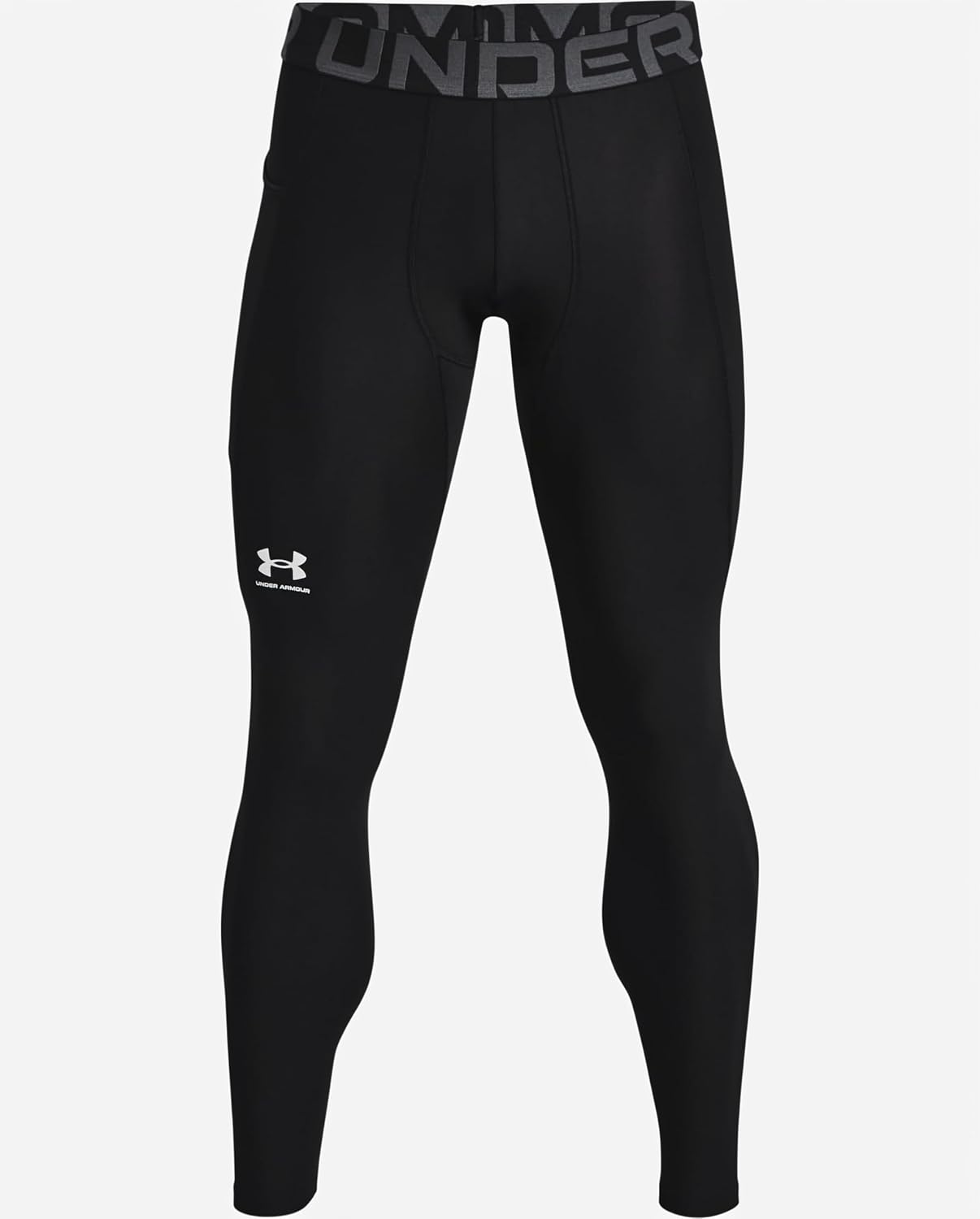
For athletes seeking technical gear tailored for endurance, running, and heavy exercise, specialized options such as the Men Performance Sports and Running Leggings demonstrate how modern activewear integrates moisture-management fabrics with ergonomic support.
How to Choose the Right Pair for Your Training
Not all athletic bottoms are created equal. When selecting active wear for your specific fitness discipline, keep the following criteria in mind:
- Fabric Composition: Look for high-performance synthetic blends containing polyester and elastane (spandex) for optimal stretch, shape retention, and durability.
- Seam Construction: Flatlock or bonded seams prevent skin abrasion and irritation during repetitive motion cycles like running or cycling.
- Waistband Security: A wide, moisture-wicking waistband with an internal drawcord ensures the garment stays securely in place without rolling or digging into the abdomen.
- Breathability Zones: Targeted mesh panels behind the knees or along high-heat zones enhance ventilation during intense exercise.
Conclusion
Integrating technical performance wear into your athletic regimen is a proven way to enhance comfort, support muscular endurance, and streamline recovery. By understanding the intersection of fabric science, moisture management, and biomechanical support, athletes can make informed choices that optimize every workout.
Sources
- Journal of Strength and Conditioning Research - Research on compression garments and muscle recovery.
- Men's Performance Sports and Running Leggings - Product specifications and technical activewear features.
"""
print(blog_title)
print(blog_content)
Code outputBLOG_TITLE: The Ultimate Guide to Men's Leggings for Peak Athletic Performance and Recovery
BLOG_CONTENT:
The perception of athletic wear has undergone a dramatic transformation over the past decade. Once considered niche or exclusively reserved for specialized sports, garments like men's leggings have firmly established themselves as an essential component of modern training wardrobes. Whether utilized for high-intensity running, cross-training, or post-workout recovery, technical performance wear provides physiological and biomechanical advantages that support athletes in reaching their full potential.
This comprehensive guide explores the physiological benefits of performance gear, how to select the right fit for your training regimen, and how incorporating Leggings into your routine can elevate endurance, muscular support, and thermal regulation.
The Physiology of Compression and Performance
At the core of modern athletic apparel is the science of targeted compression. When engaging in rigorous physical activity—such as long-distance running, sprinting, or heavy lifting—muscles experience micro-oscillations from impact forces. High-performance garments apply graduated pressure to the lower limbs, which helps stabilize muscle groups, minimize unnecessary muscle vibration, and reduce localized fatigue.
Furthermore, medical and sports science research highlights the role of compression in enhancing venous return. By supporting blood circulation back toward the heart, athletic wear assists in clearing metabolic byproducts such as lactic acid during and after intense exertion. According to research published in the *Journal of Strength and Conditioning Research*, lower-body compression garments can significantly decrease perceived muscle soreness and accelerate recovery timelines following exhaustive exercise sessions.
Thermal Regulation and Moisture Management
Maintaining an optimal core and skin temperature is critical during both cold-weather outdoor training and heated indoor conditioning. Traditional cotton sweatpants absorb moisture, trapping sweat against the skin and causing rapid cooling, chafing, and discomfort. In contrast, advanced synthetic fabrics engineered for high-performance Leggings utilize specialized hydrophobic microfibers.
Modern technical garments are designed to keep athletes cool, dry, and comfortable through advanced moisture-wicking technology. By pulling perspiration away from the skin toward the outer surface of the fabric where it can evaporate rapidly, these materials prevent overheating and maintain thermal equilibrium. This is particularly vital for runners and multi-sport athletes transitioning across changing weather conditions.
Real-World Case Study: Endurance Running and Recovery
Consider the case of endurance runners training for half-marathons in variable seasonal climates. Distance runners frequently encounter thermal swings—starting runs in chilly morning air and finishing under rising ambient temperatures.
In a comparative training trial involving middle-distance runners, participants incorporated specialized running gear—specifically designed as cool-and-dry active bottoms—into their weekly long runs. The results demonstrated two key findings:
- Reduced Chafing and Friction: The seamless or flat-lock construction of athletic compression bottoms eliminated inner-thigh friction common with loose-fitting shorts during high-mileage runs.
- Enhanced Post-Run Recovery: Runners reported a noticeable decrease in next-day hamstring and calf stiffness, attributing the recovery boost to the continuous, supportive pressure maintained by the fabric throughout their stride cycle.
For athletes seeking technical gear tailored for endurance, running, and heavy exercise, specialized options such as the Men Performance Sports and Running Leggings demonstrate how modern activewear integrates moisture-management fabrics with ergonomic support.
How to Choose the Right Pair for Your Training
Not all athletic bottoms are created equal. When selecting active wear for your specific fitness discipline, keep the following criteria in mind:
- Fabric Composition: Look for high-performance synthetic blends containing polyester and elastane (spandex) for optimal stretch, shape retention, and durability.
- Seam Construction: Flatlock or bonded seams prevent skin abrasion and irritation during repetitive motion cycles like running or cycling.
- Waistband Security: A wide, moisture-wicking waistband with an internal drawcord ensures the garment stays securely in place without rolling or digging into the abdomen.
- Breathability Zones: Targeted mesh panels behind the knees or along high-heat zones enhance ventilation during intense exercise.
Conclusion
Integrating technical performance wear into your athletic regimen is a proven way to enhance comfort, support muscular endurance, and streamline recovery. By understanding the intersection of fabric science, moisture management, and biomechanical support, athletes can make informed choices that optimize every workout.
Sources
- Journal of Strength and Conditioning Research - Research on compression garments and muscle recovery.
- Men's Performance Sports and Running Leggings - Product specifications and technical activewear features.
LuckeLadybug
News
Navigating Geopolitical Volatility: How the Legacy and Leadership of Benjamin Netanyahu Impact Global Markets


