




The Timeless Evolution of Corsets: From Historical Foundations to Modern Statement Pieces

The history of fashion is filled with garments that completely transform the human silhouette, but few pieces carry as much intrigue, structural ingenuity, and cultural legacy as corsets. For centuries, these supportive garments have evolved from rigid court wear into versatile, expressive fashion statements. Today, contemporary wardrobe design frequently looks back to historical aesthetics, blending traditional craftsmanship with modern styling flexibility.
The Historical Roots of Structured Style
To understand modern structured garments, one must look at how foundational undergarments shaped historical silhouettes. Originating centuries ago as supportive undergarments or "stays", early iterations were engineered using bone, reed, or metal stiffeners inserted into heavy fabrics like linen and canvas. Their primary objective was to lift the bust, straighten the posture, and mold the torso according to the shifting aesthetic ideals of European courts.
Victoria and Albert Museum
Over time, manufacturing techniques shifted dramatically. The invention of the industrial loom in the 19th century allowed for mass-produced steel boning and precision eyelets, making structured garments more accessible. Museums such as the Victoria and Albert Museum (V&A) extensively document how these Victorian and Edwardian undergarments defined an era of elaborate fashion architecture.
Corset Story UK
Anatomy of Modern Overbust Designs
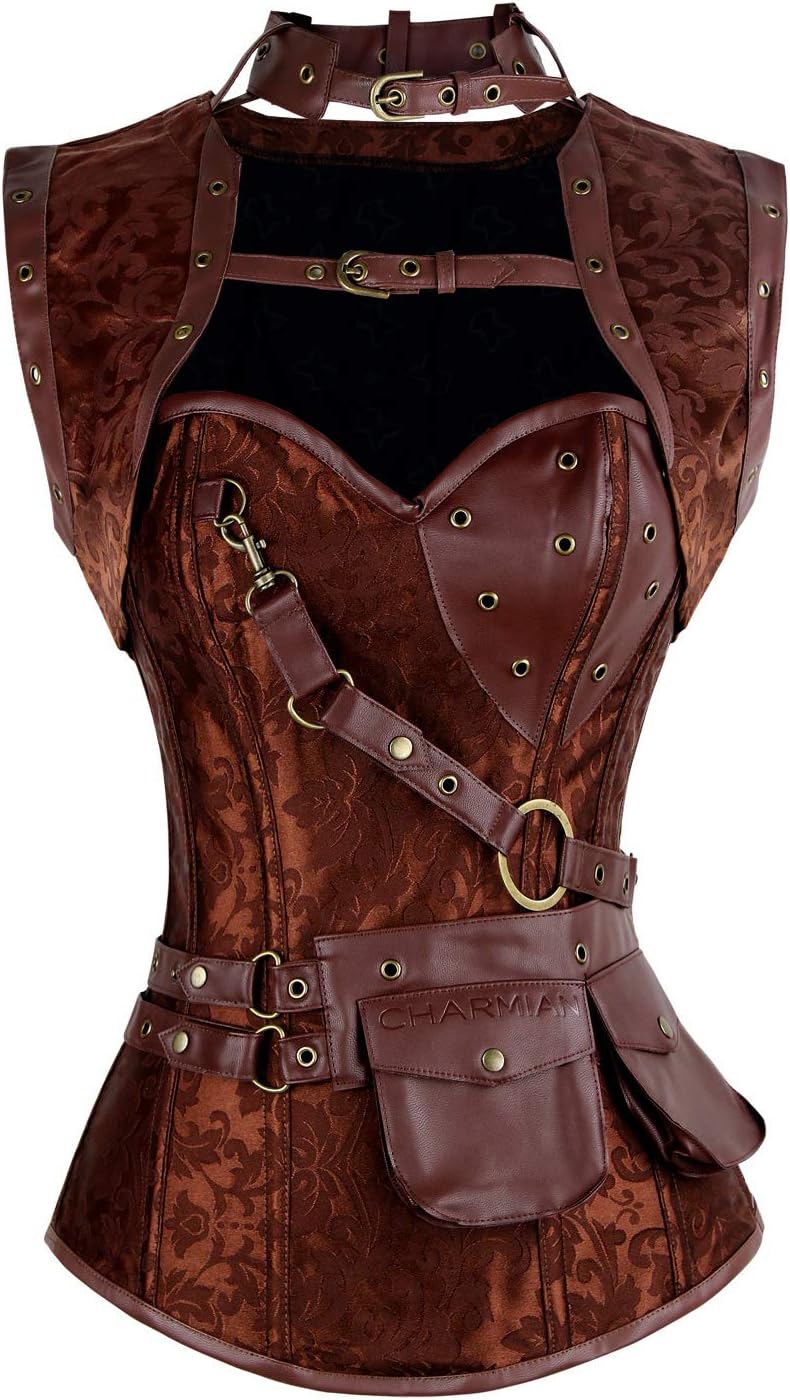
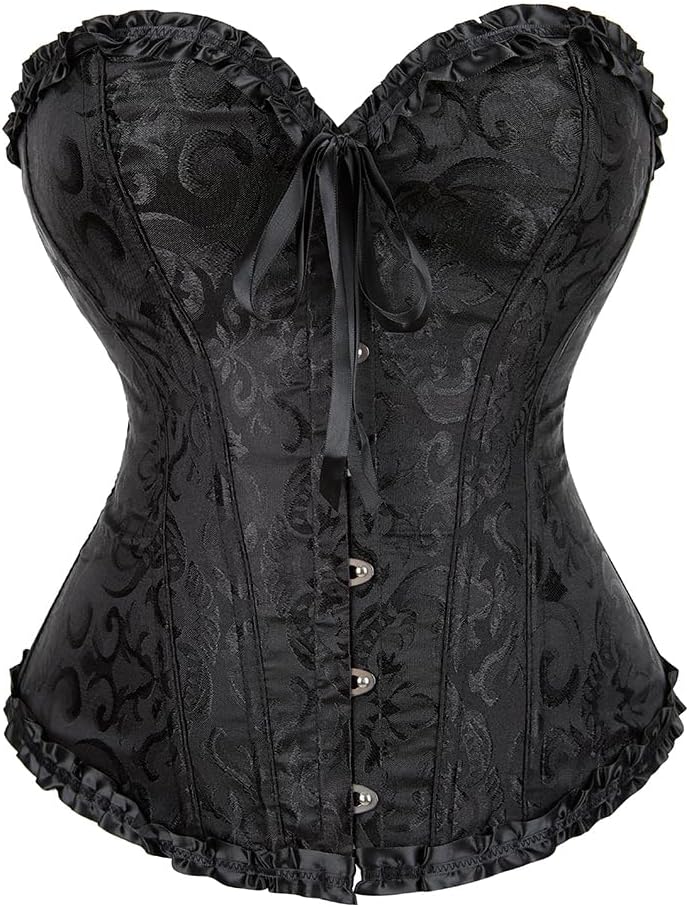
In contemporary wardrobes, the focus has shifted away from restrictive undergarments toward expressive, outer-layer styling. A prime example of this evolution is the Womens Renaissance Corset Top Overbust Bustier, which bridges historical inspiration with modern garment construction.
An overbust design differs fundamentally from an underbust piece by encompassing the chest entirely, providing integrated support and eliminating the need for a separate foundational layer underneath. Key components of these modern statement pieces include:
Structural Boning: Flexible spiral or flat steel bones (or high-density plastic alternatives) that maintain the garment's vertical tension and prevent rolling or creasing.
Lacing Systems: Heavy-duty back or front lacing cord that allows the wearer to customize the fit securely to their body proportions.
Fabric Composition: Durable outer layers—often featuring jacquard, brocade, faux leather, or cotton blends—paired with soft inner linings for comfortable extended wear.
Real-World Styling and Historical Influences
Historical silhouettes continue to heavily influence modern costume design, theatrical production, and alternative street fashion.
Case Study 1: Historical Re-enactment and Renaissance Faires. Participants and historical interpreters frequently utilize overbust Renaissance-style bodices to replicate 16th-century peasant and nobility attire accurately. Pairing a structured lace-up bodice with a full linen chemise and a layered floor-length skirt creates an authentic silhouette that honors historical tailoring techniques.
Case Study 2: Contemporary Alternative Streetwear. Modern fashion enthusiasts often subvert traditional boundaries by wearing structured statement pieces over casual oversized band t-shirts, crisp button-down shirts, or flowing maxi dresses. This high-contrast approach showcases how historical elements can be repurposed to fit modern aesthetic sensibilities.
Best Practices for Fit and Maintenance
Ensuring longevity and comfort when wearing structured garments requires mindful handling:
Gradual Seasoning: If a garment features firm boning, wear it loosely for short periods initially to allow the materials to gently conform to your unique body contours.
Proper Storage: Never fold a structured garment, as this can permanently distort or snap the internal boning. Instead, store it flat or hang it carefully by its lacing loops.
Cleaning Care: Always check fabric tags; because of the internal stiffeners, most structured fashion pieces require specialist dry cleaning or careful hand-washing rather than machine laundering.
Sources
History of Corsets - Wikipedia
Corsets, crinolines and bustles: fashionable Victorian underwear - V&A
Women's Renaissance Corset Top Overbust Bustier
LuckeLadybug
News
Navigating Geopolitical Volatility: How the Legacy and Leadership of Benjamin Netanyahu Impact Global Markets


