


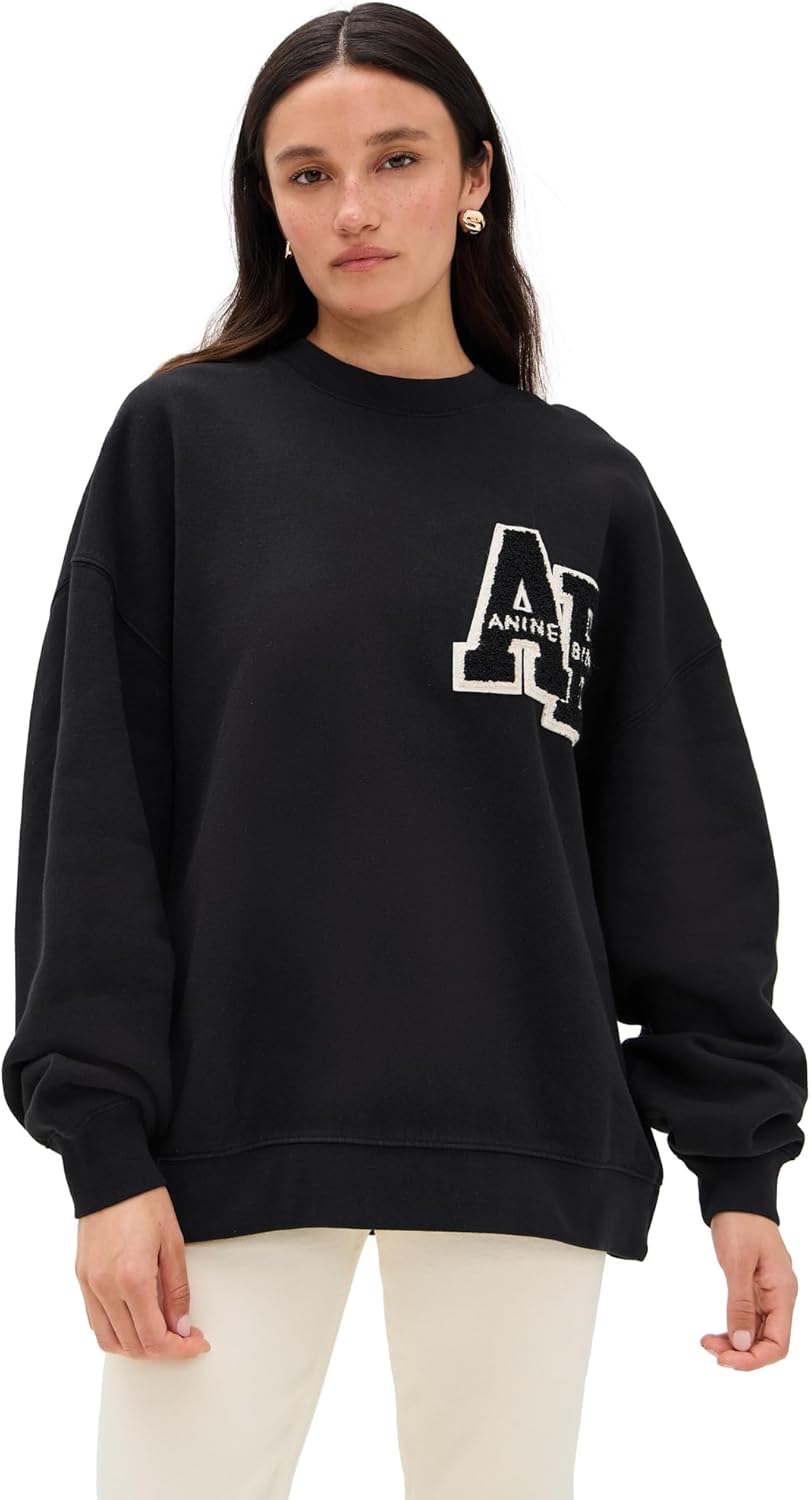


The Evolution of Hoodies: From Sideline Warm-Ups to Modern Fashion Staples

The story of Hoodies is one of the most fascinating journeys in modern apparel. What began as a purely functional piece of clothing for athletes and laborers has transformed into a global fashion icon, a canvas for self-expression, and even a symbol of high-powered executive status. Today, Hoodies are universally recognized, bridging the gap between comfort and style across generations and cultures.
The Functional Origins
To understand the modern hoodie, we have to look back to the early 20th century [1]. The garment was initially pioneered in the 1930s by Knickerbocker Knitting Mills, a company that would eventually become globally known as Champion [2].
The original design was born out of sheer necessity. Athletes needed something to keep them warm on the sidelines during freezing Northeast winters [2], and laborers working in cold-storage warehouses required durable, protective clothing. The solution was a heavy cotton sweatshirt with an attached hood. By the late 1930s, Champion patented the "Reverse Weave," a revolutionary manufacturing technique that prevented the heavy garments from shrinking in the wash, cementing the hoodie's place in athletic wear [1, 2].
A Symbol of Subculture and Rebellion
As the decades progressed, Hoodies stepped off the athletic fields and into the streets [2]. The garment's transition from practical wear to cultural symbol took root in several distinct subcultures:
Hip-Hop Culture (1970s–1980s): Emerging in the Bronx, early hip-hop artists and breakdancers adopted the hoodie. It provided warmth for outdoor gatherings, allowed for unrestricted movement during intricate dance routines, and offered a sense of anonymity for graffiti artists.
Skate and Punk Scenes (1980s–1990s): On the West Coast, skateboarders and punk musicians gravitated toward the hoodie as a rejection of mainstream, preppy fashion [2]. The oversized, rugged silhouette became a badge of anti-establishment identity.
Cinematic Symbolism: Pop culture touchstones, such as the 1976 film Rocky, forever linked the grey marl hoodie with grit, underdog determination, and working-class resilience.
The Silicon Valley Shift: The Tech Uniform
In the early 2000s, the hoodie underwent another massive cultural shift, this time migrating to the boardrooms of Silicon Valley. Tech entrepreneurs, most notably Mark Zuckerberg, began wearing Hoodies to high-stakes investor meetings.
This became a fascinating case study in modern workplace fashion. Rather than signaling a lack of professionalism, wearing a hoodie in a corporate setting became a calculated "power move." It communicated a focus on coding and product building over traditional corporate conformity. The tech industry effectively rebranded the garment as a symbol of the modern intellectual maverick, changing workplace dress codes globally.
High Fashion and Museum Recognition
By 2017, the hoodie's cultural impact was so undeniable that it earned a place in fine art history. The Museum of Modern Art (MoMA) in New York City featured the hoodie in its acclaimed exhibition Items: Is Fashion Modern? [1]. The exhibition explored 111 items of clothing that have had a profound impact on the world over the last century [3]. The following year, the hoodie was permanently added to MoMA's collection, officially recognizing it as a defining artifact of contemporary design [2, 4].
Modern Iterations: Breathable Knits and Fashion-Forward Designs
Today, Hoodies are no longer limited to heavy fleece or athletic grey cotton. Designers are constantly innovating with fabrics, silhouettes, and global style influences to meet diverse consumer demands.
A perfect example of this evolution is the rise of lightweight, stylized options influenced by international street fashion. Current trends highlight women's Japanese casual hollow-knitted styles. These modern garments feature solid colors and distinctive details like sweet pile caps. Made to be thin and breathable, these hats and hoodies cater to girls looking for a fashionable, versatile layer that works year-round. This shift from thick, utilitarian fleece to delicate, hollow-knitted fashion pieces demonstrates how adaptable the garment has become to feminine and casual aesthetics.
Why the Hoodie Endures
The lasting appeal of Hoodies comes down to their unparalleled versatility. They represent a unique intersection of:
Comfort: The inherent coziness of the garment remains unmatched.
Utility: With built-in weather protection and relaxed fits, it serves a practical purpose.
Identity: Whether it displays a college logo, a designer emblem, or a minimalist aesthetic, it allows the wearer to communicate who they are.
From a 1930s sideline warm-up [1, 2] to a Japanese-inspired breathable knit fashion piece, the hoodie has proven that it is much more than just a sweater—it is a mirror of modern cultural history.
Sources
Champion Heritage
Wikipedia: Champion Sportswear
The Museum of Modern Art - Items: Is Fashion Modern?
LuckeLadybug
News
Mastering the Serve: What We Can Learn From Hubert Hurkacz


