
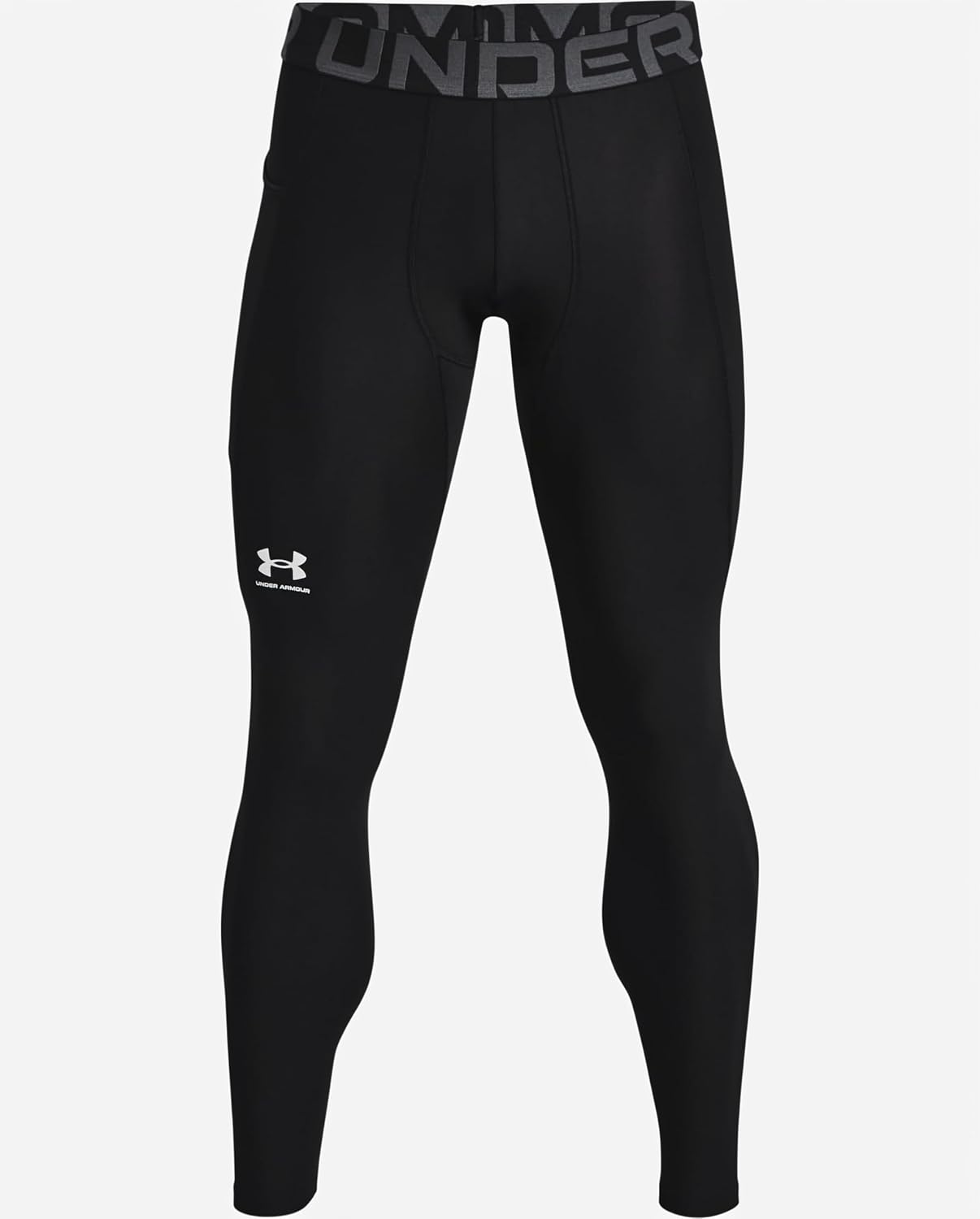


The Evolution of Comfort: Why High-Performance Leggings Belong in Every Athlete's Wardrobe

Athletic gear has undergone a massive transformation over the past decade, shifting away from loose, traditional sweatpants toward form-fitting technical apparel. Among these advancements, the rise of men's compression and moisture-wicking leggings has redefined how athletes approach training, recovery, and everyday comfort.
The Science of Moisture-Wicking Fabrics
Traditional cotton garments absorb sweat, holding moisture against the skin and causing discomfort, chafing, and rapid cooling during rest periods. Modern technical wear utilizes synthetic blends—typically polyester and spandex—engineered to pull moisture away from the body through capillary action.
Hydrophobic Fibers: Synthetic materials push sweat toward the outer surface of the fabric where it can evaporate quickly.
Temperature Regulation: By keeping the skin dry, these garments help maintain a stable core body temperature during high-intensity sessions.
Chafing Reduction: Smooth, flatlock seams minimize friction between the skin and the fabric, preventing irritation during repetitive movements like running or cycling.
Versatility Across Disciplines
While once viewed primarily as a cold-weather base layer, form-fitting trousers are now utilized across a wide variety of athletic disciplines due to their dynamic utility.
Running and Cycling: Tight-fitting garments reduce aerodynamic drag and muscle oscillation, which helps minimize energy expenditure over long distances.
Gym Fitness and Weightlifting: Items such as the Mens Moisture-Wicking Sports Leggings Tight Pants offer targeted support with an elastic waistband and supportive pouch design, ensuring unrestricted range of motion during squats, deadlifts, and mobility work.
Yoga and Pilates: The four-way stretch fabric allows practitioners to move through deep stretches and complex postures without the garment shifting or restricting blood flow.
Recovery and Muscle Support
Beyond performance enhancement, athletic compression wear plays a vital role in post-workout recovery. Studies published in sports medicine journals indicate that graduated pressure on lower limb muscles can improve venous return, decrease blood lactate accumulation, and reduce delayed onset muscle soreness (DOMS). While not a substitute for proper rest and nutrition, incorporating technical legwear into a training routine can noticeably shorten recovery windows between heavy exertion days.
Choosing the Right Fit
Selecting the correct garment requires attention to fabric weight, compression levels, and sizing. Look for options with high spandex content for maximum flexibility, or thicker polyester weaves if outdoor winter training requires extra thermal insulation. Ensuring a snug, supportive fit without excessive restriction guarantees optimal blood flow and long-term durability.
Sources
American College of Sports Medicine
Journal of Sports Sciences Research
AliExpress Product Reference
LuckeLadybug
News
Essential Earthquake Readiness: Practical Steps to Protect Your Home and Family


