




The Complete Guide to Choosing and Wearing Sunglasses for Optimal Eye Health and Style

When it comes to daily eye care and style, selecting the right pair of Sunglasses is far more than just a fashion statement—it is a vital component of long-term ocular health. While many view eyewear merely as an accessory to complement an outfit or reduce midday glare, understanding the science behind ultraviolet (UV) protection and frame fit can prevent serious eye conditions over time.
Understanding UV Radiation and Your Eyes
Ultraviolet radiation from the sun is invisible, yet its effects on delicate eye tissues are profound. Prolonged, unprotected exposure to UVA and UVB rays can accelerate the development of cataracts, macular degeneration, pterygium, and even photokeratitis (sunburn of the cornea). According to the American Academy of Ophthalmology, high-quality eye protection should block 99% to 100% of both UVA and UVB rays, often labeled as UV400 protection.
Even on overcast days, up to 80 percent of UV rays can penetrate through light cloud cover. Reflective surfaces such as water, sand, snow, and concrete amplify this exposure, making continuous protection essential regardless of the season.
Frame Geometry and Face Shapes
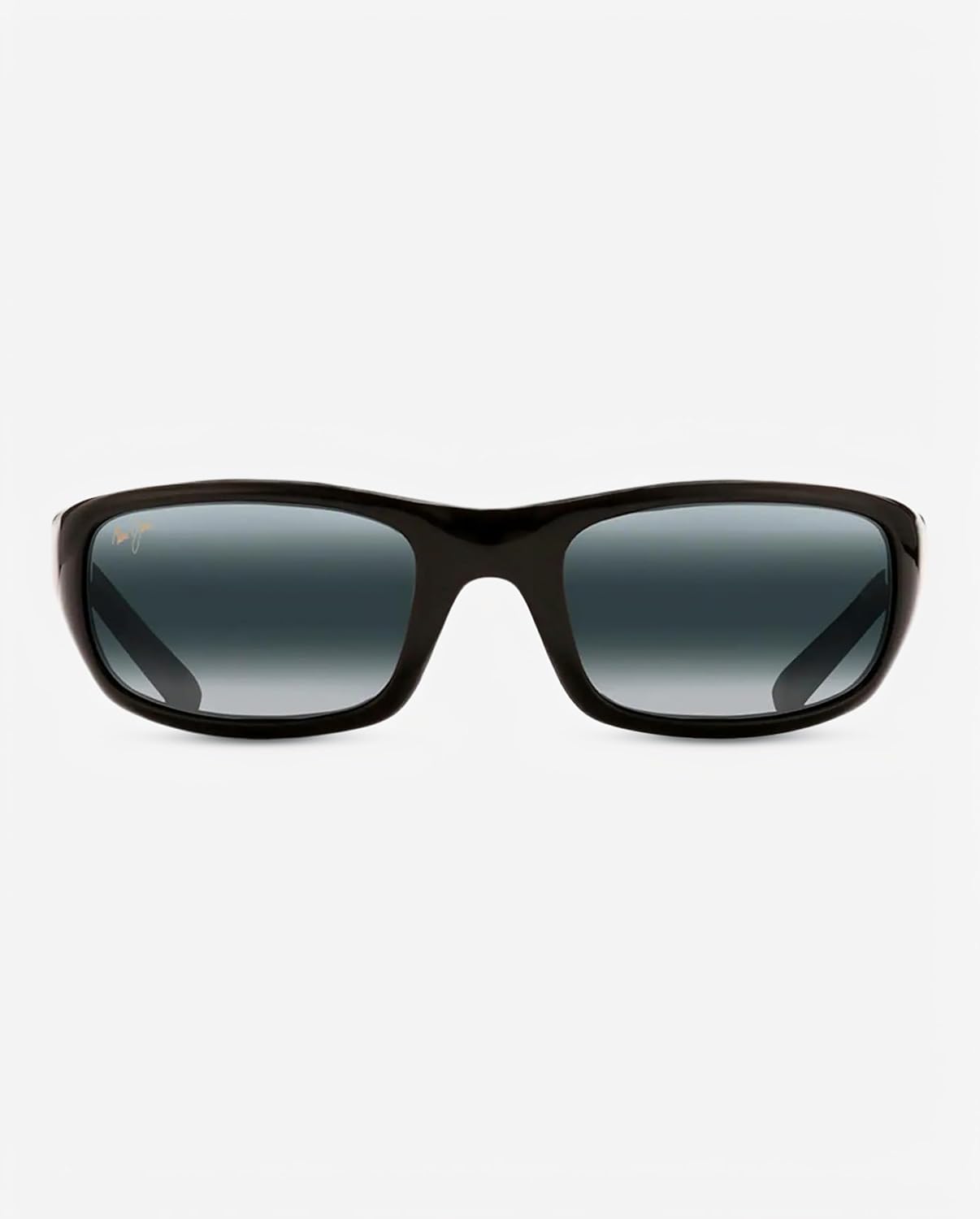
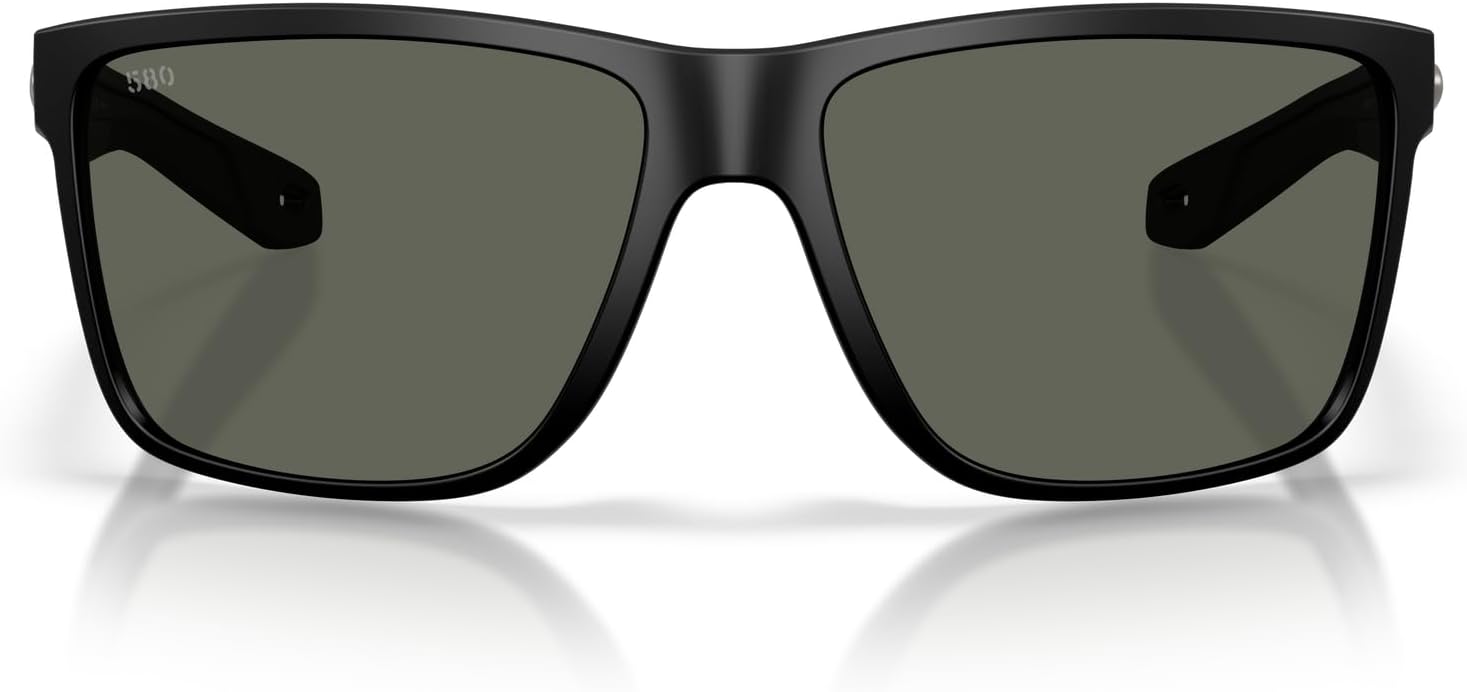
Finding frames that fit comfortably while offering adequate coverage is critical for minimizing stray light entering from the top and sides. Classic retro styles—such as the casual vintage square sunglasses or vintage round frames—offer distinct functional and aesthetic advantages:
- Square and Rectangular Frames: Characterized by sharp, defined angles, these frames provide strong geometric contrast and are particularly effective at softening rounder facial structures while offering broad lens coverage.
- Round and Oval Frames: Ideal for angular or square jawlines, these silhouettes distribute visual weight evenly and maintain a timeless aesthetic rooted in mid-century design.
- Unisex Versatility: Modern eyewear designs frequently blend classic silhouettes with durable lightweight materials, ensuring comfort for extended wear across diverse facial morphologies.
Real-World Case Studies in Eye Protection
To understand the practical impact of proper eyewear, consider two common everyday scenarios:
- The Coastal Commuter: An individual spending extended hours near reflective bodies of water experiences high levels of glare. Without polarized lenses and full UV400 coverage, this leads to eye fatigue, headaches, and squinting-induced strain. Transitioning to high-coverage square frames with polarized gray lenses significantly reduces horizontal glare and optical fatigue.
- The High-Altitude Hikers: At higher elevations, the atmosphere is thinner, filtering out less UV radiation. A mountaineer relying on standard fashion glasses without certified UV protection risks acute photokeratitis. Upgrading to robust, wrap-around or well-fitted retro sun glasses protects the peripheral vision and preserves corneal health against intense alpine glare.
Lens Technology: Polarization vs. Standard Tint
Not all dark lenses offer the same level of protection. It is a common misconception that darker lenses automatically equate to better UV protection; tint darkness only controls visible light transmission (VLT), not UV blocking capability.
- Polarized Lenses: Feature a special chemical filter that blocks intense reflected light bouncing off horizontal surfaces like water or asphalt, enhancing visual clarity and reducing glare.
- Gradient Lenses: Tinted from top to bottom, these are ideal for driving, as they shield the eyes from overhead sunlight while keeping the lower portion lighter for dashboard visibility.
- Solid Tints: Offer uniform light reduction across all environments, making them versatile for general outdoor activities.
Maintaining and Protecting Your Investment
Proper care extends the lifespan of your eyewear and ensures distortion-free vision:
- Always use a microfiber cloth rather than clothing or paper towels to clean lenses, preventing microscopic scratches on anti-reflective or UV coatings.
- Store glasses in a rigid protective case when not in use to prevent warping and accidental crushing.
- Avoid leaving eyewear on the dashboard of a vehicle, as extreme summer heat can warp plastic frames and degrade specialized lens coatings.
Sources
"""
LuckeLadybug
News
Essential Earthquake Readiness: Practical Steps to Protect Your Home and Family


