


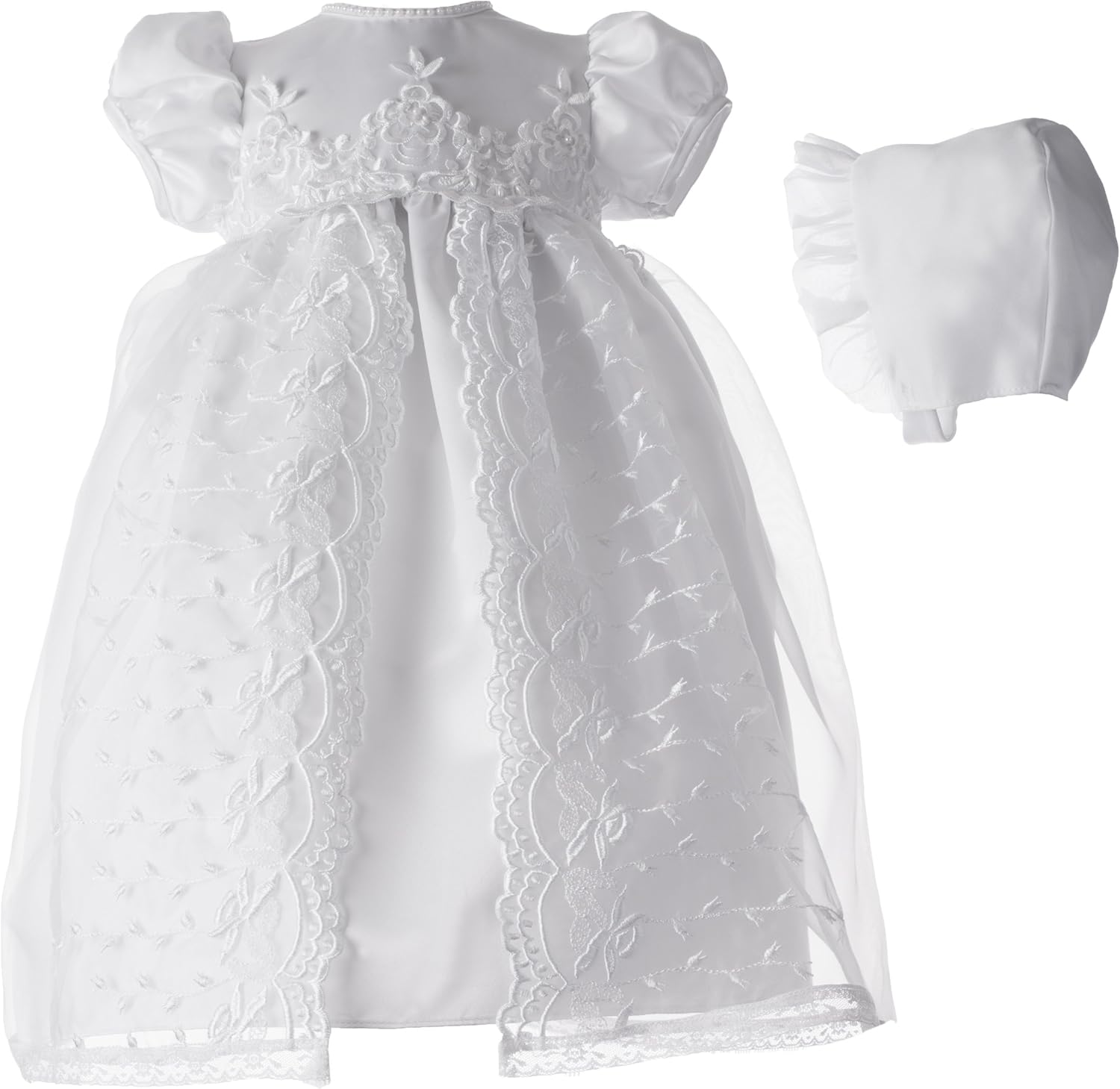

Dresses: Navigating Infant Textile Safety and Sizing Standards for Special Occasion Apparel

Selecting children’s formal wear requires a careful balance of aesthetic design, material safety, and precise sizing frameworks. Whether preparing for a family milestone or a cultural ceremony, garments crafted for infants demand rigorous adherence to textile standards. Understanding how fabrics react to infant skin and how sizing tiers function ensures both comfort and safety.
Digital Textile Printing
+ 1
The Significance of Fabric Safety and Chemical Parameters in Infant Wear
An infant’s skin is structurally thinner, more permeable, and significantly more sensitive than adult skin. Consequently, regulatory bodies and textile organizations enforce strict limits on chemical residues found in garments.
Digital Textile Printing
+ 1
pH Level Neutrality: Textiles worn directly against newborn skin should maintain a pH level between 4.0 and 7.5 to mirror the natural acid mantle of human skin and prevent irritation.
W.ELL Fabric
Free-from Harmful Dyes: Rigorous testing protocols restrict the presence of azo dyes, formaldehyde, and extractable heavy metals.
W.ELL Fabric
Global Certifications: Independent verifications, such as the OEKO-TEX Standard 100 Class I criteria, certify that every component of a textile—from base threads to outer trims—has passed comprehensive tests for hazardous substances.
W.ELL Fabric
Decoding Sizing Systems: From Newborn to 24 Months
Unlike adult apparel, infant sizing is categorized primarily by developmental age ranges (such as 3 to 24 months) rather than complex dimensional grids. However, because growth velocities vary significantly during the first two years of life, standardizations like ASTM D4910 provide systematic anthropometric tables to help guide garment dimensions.
Wikipedia
When analyzing infant garments—such as a classic white lace christening gown or a traditional Newborn Baptism Dress for Baby Girl White Lace 3 - 24M—sizing parameters must account for both vertical length and chest circumferences.
The 0–3 Month Tier: Generally structured for birth weights up to approximately 12 pounds, prioritizing ease of overhead or snap-front dressing.
The 3–6 and 6–12 Month Tiers: Designed to accommodate increased core stability, rolling, and early sitting behaviors, requiring structural flexibility at the shoulders and arms.
The 12–24 Month Tiers: Scaled for toddlers achieving mobility milestones, requiring balanced proportions that prevent restricted leg movement or fabric tripping hazards.
Structural Integrity and Trim Safety Considerations
Formal garments often incorporate intricate details like lace overlays, embroidery, ribbons, or small buttons. For infant apparel, these decorative choices must satisfy strict mechanical safety boundaries.
Digital Textile Printing
Attachment Security: Decorative elements must withstand tension testing to ensure trims or fasteners do not detach and become choking hazards.
Digital Textile Printing
Minimizing Friction: Enclosed seams, flatlock stitching, and soft linings prevent chafing against sensitive areas like the neck, underarms, and inner thighs.
Flame and Thermal Regulations: While specialized sleepwear faces strict vertical burn testing (such as 16 CFR Part 1615), daywear and special occasion dresses must similarly balance fiber composition to avoid excessive surface flammability risks posed by loose or highly textured weaves.
SWaddle AN
By prioritizing hypoallergenic textiles, certified chemical safety, and appropriate dimensional fit, caregivers can ensure that special occasion dresses offer a secure and comfortable experience for infants.
W.ELL Fabric
Sources
Consumer Product Safety Commission (CPSC) Infant Garments Guidelines
WellFabric Textile Standards for Newborn Garments
W.ELL Fabric
Swaddlean Infant Clothing Safety & Flammability Overview
SWaddle AN
LuckeLadybug
News
Navigating Geopolitical Volatility: How the Legacy and Leadership of Benjamin Netanyahu Impact Global Markets


