



Cosplay Comfort and Safety: How to Build a Masquerade Costume You Can Actually Enjoy

Cosplay can transform an ordinary carnival, masquerade, Halloween gathering, or costume party into a memorable experience—but an impressive outfit loses its appeal quickly when you cannot walk comfortably, see clearly, or move naturally.
The most useful approach is to treat a costume as something you will wear for hours, not simply something that needs to look good for a photograph.
Start With the Event, Not the Costume
Before choosing an elaborate look, consider what you will actually be doing. A seated masquerade dinner creates very different demands from a convention, carnival, dance, or Halloween event involving several hours of walking.
For example, a women's adult carnival masquerade Cosplay costume can work across several kinds of dress-up events, but the way you accessorize it should depend on the setting. A dramatic mask and layered accessories might suit a short indoor masquerade, while a crowded event involving extensive walking calls for greater attention to visibility, footwear, temperature, and freedom of movement.
Ask yourself:
How many hours will I wear the costume?
Will I spend most of that time standing, sitting, dancing, or walking?
Will I be indoors, outdoors, or moving between both?
Could the venue become hot or crowded?
Will I need to climb stairs or navigate narrow aisles?
Can I comfortably use my phone, carry a bag, and sit down?
Answering these questions first helps prevent a visually exciting costume from becoming physically exhausting.
Test the Fit Through Movement
A costume can feel perfectly comfortable while you are standing in front of a mirror and completely different once you start moving.
The U.S. Consumer Product Safety Commission recommends well-fitting costumes that do not drag on the ground, particularly because excessive length can contribute to trips and falls. U.S. Consumer Product Safety Commission
U.S. Consumer Product Safety Commission
Perform a simple movement test before the event:
Walk normally and take several long strides.
Sit in a dining-style chair.
Walk up and down stairs carefully.
Raise both arms overhead.
Bend down as though retrieving something from the floor.
Turn your head fully in both directions.
Wear the complete outfit for at least 20–30 minutes at home.
Pay attention to hems, restrictive seams, slipping accessories, uncomfortable waistlines, and anything that catches when you move. Problems that seem minor during a two-minute fitting can become frustrating after several hours.
Treat the Mask as Functional Equipment
Masquerade masks can create an immediate focal point, but visibility should take priority over dramatic proportions.
The CPSC advises that masks fit securely, provide adequate ventilation, and have openings large enough for full vision. U.S. Consumer Product Safety Commission
U.S. Consumer Product Safety Commission
Test your mask while looking straight ahead, downward toward your feet, and to both sides. Being able to see someone directly in front of you is not enough if the mask prevents you from noticing stairs, curbs, furniture, or people approaching from the side.
A practical real-world example is a crowded masquerade where guests frequently move between tables. A wide decorative mask may look spectacular in portraits but become inconvenient if its edges collide with other guests or dramatically reduce peripheral vision.
If necessary, reserve the elaborate mask for photographs and use a simpler accessory while walking through crowded areas.
Build the Outfit in Layers
Layering gives you more control over comfort than treating the costume as one fixed ensemble.
Begin with the primary garment, then add accessories individually. After adding each major component, repeat a few basic movements to determine whether that item actually improves the overall experience.
A useful sequence is:
Main costume
Comfortable underlayer if needed
Footwear
Mask or headwear
Jewelry and decorative pieces
Cape, shawl, gloves, or other outer accessories
Bag or carrying solution
This process makes it easier to identify exactly which component causes restricted movement, excess heat, snagging, or uncomfortable pressure.
Choose Footwear for the Hours, Not the Photos
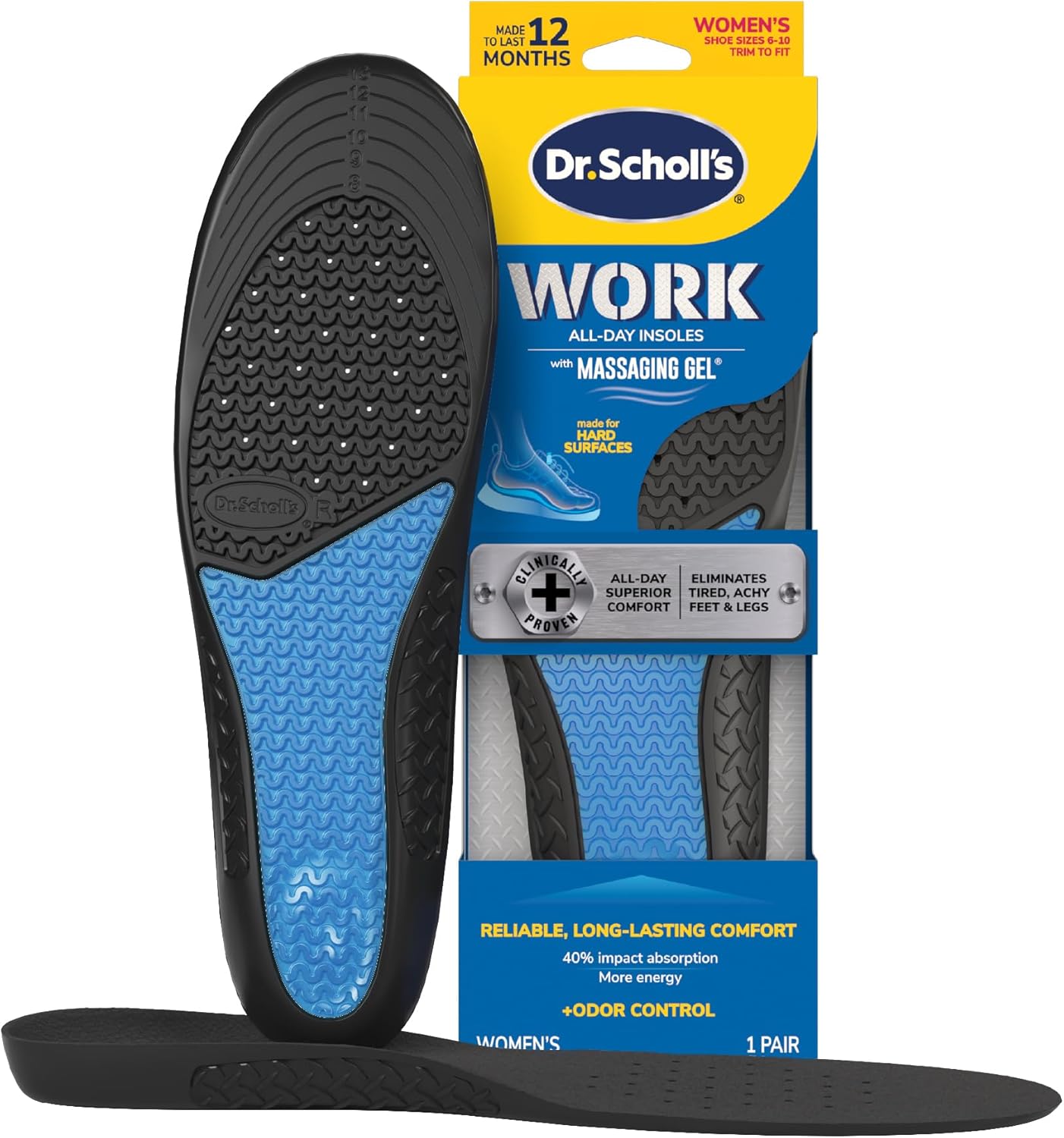
Footwear is easy to underestimate because it may occupy relatively little visual space compared with the costume itself. At a large event, however, your shoes can determine whether you are still enjoying yourself several hours later.
The American Academy of Pediatrics' HealthyChildren guidance emphasizes well-fitting footwear when discussing costume safety. HealthyChildren.org
HealthyChildren.org
Wear the shoes around the house before committing to them. Check for heel movement, toe pressure, unstable soles, and discomfort when standing still as well as walking.
For an elaborate carnival or masquerade outfit, consider keeping dramatic footwear for controlled portions of the event while having a comfortable alternative available when practical. Comfort does not have to undermine the costume's overall visual effect.
Think About Heat Before You Leave Home
A costume that feels comfortable in an air-conditioned bedroom may feel dramatically warmer in a packed event space.
Multiple fabric layers, wigs, gloves, masks, hats, and substantial accessories can all affect how comfortable you feel. Indoor crowds and physical activity can further change the experience.
Before attending a long event, wear the assembled outfit indoors for an extended trial. If you become uncomfortable during an ordinary fitting, consider eliminating unnecessary layers or making removable accessories part of the design.
This is particularly useful for masquerade styling: instead of making every decorative element essential, create a strong base outfit that still looks intentional after a mask, wrap, or other accessory is removed.
Be Careful Around Flames and Heat Sources
Flowing silhouettes can be visually effective, but loose fabric deserves additional attention around candles and other ignition sources.
The CPSC recommends looking for flame-resistant labeling when applicable and avoiding costume elements likely to come into contact with open flames, including large billowing components. The agency also recommends keeping candles and similar flame sources away from areas where costumes could brush against them. U.S. Consumer Product Safety Commission
U.S. Consumer Product Safety Commission
Do not assume a costume is flame resistant merely because of its appearance or general fabric type. Check its actual labeling and supplied information.
At candlelit masquerades or Halloween gatherings, maintaining distance from open flames is the simplest approach.
Make Visibility Part of the Design
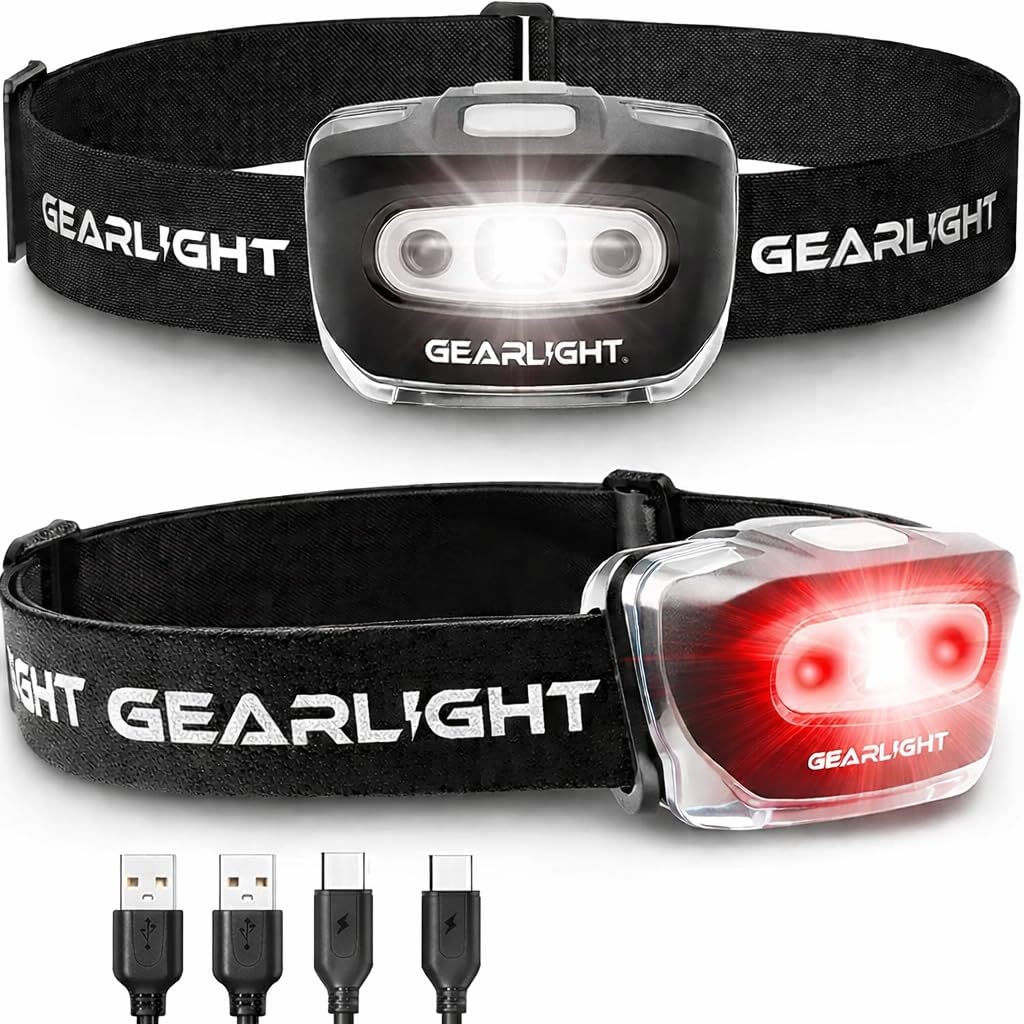
Outdoor events introduce another consideration: other people need to be able to see you.
The CPSC recommends bright costume elements and reflective material for improved visibility after dark. U.S. Consumer Product Safety Commission
U.S. Consumer Product Safety Commission
That does not mean every sophisticated masquerade outfit needs obvious reflective stripes. Depending on the event, visibility measures can be incorporated into a bag, outer layer, removable accessory, or other element used while traveling outside.
Think of the costume as having two modes: its presentation inside the event and its practical configuration while getting there.
Don't Let Accessories Become Obstacles
Accessories often create the details that make a costume memorable, but they should support rather than interfere with the wearer.
Before leaving, inspect every accessory for three things: security, mobility, and surroundings.
A decorative piece that repeatedly falls off will become distracting. An accessory that prevents you from sitting comfortably will eventually need to be removed, and an oversized item that extends significantly beyond your body can become awkward in crowded spaces.
The same principle applies to costume props. The CPSC recommends soft, flexible materials for sword-, knife-, and similar costume accessories. U.S. Consumer Product Safety Commission
U.S. Consumer Product Safety Commission
Be Cautious With Decorative Contact Lenses
Changing eye color can seem like a small finishing detail, but decorative contact lenses should not be treated like ordinary costume accessories.
The American Academy of Pediatrics notes that decorative contact lenses are medical devices and advises against using them without an eye examination and prescription from an eye-care professional. HealthyChildren.org
HealthyChildren.org
A costume does not require every imaginable visual detail. When a finishing touch introduces unnecessary risk or discomfort, leaving it out is often the better design decision.
Use the Full-Dress Rehearsal Test
One of the simplest ways to improve any Cosplay experience is to conduct a complete rehearsal rather than testing individual pieces separately.
Put on everything you expect to wear—including shoes, mask, accessories, underlayers, and whatever you intend to carry. Then spend enough time in the outfit for hidden inconveniences to emerge.
Imagine, for example, preparing an adult carnival masquerade costume for an evening event. The dress may pass its initial fitting, but the full rehearsal could reveal that the mask limits downward vision, an accessory catches on the garment, and the chosen shoes become uncomfortable after 25 minutes.
Discovering those problems at home gives you the opportunity to simplify the ensemble without sacrificing its central visual concept.
A Five-Minute Final Check
Shortly before leaving, perform one final inspection:
Walk without stepping on the costume.
Confirm that you can see clearly in every necessary direction.
Check that masks and headwear allow comfortable breathing and visibility.
Make sure footwear feels secure.
Remove accessories that snag or restrict movement.
Keep loose fabric away from open flames.
Add visibility measures when walking outdoors after dark.
Confirm that essential items are easy to reach.
Then stop adding things. A coherent costume with comfortable movement usually creates a stronger experience than an overloaded ensemble requiring constant adjustment.
The Takeaway
Successful Cosplay is not simply about how an outfit looks when you first put it on. The better test is whether you can walk, sit, see, breathe, socialize, and enjoy the event while wearing it.
Build the visual concept first, then refine it through a full-dress rehearsal focused on fit, visibility, footwear, temperature, and accessories. When the costume works with your body rather than against it, you can spend less time adjusting what you're wearing and more time enjoying the occasion.
Sources
U.S. Consumer Product Safety Commission — Halloween Safety Tips
U.S. Consumer Product Safety Commission — Preventing Costume and Decoration-Related Injuries
HealthyChildren.org — Halloween Fun & Safety Tips
LuckeLadybug
News
How to Plan a Seamless Trip to Your Final Destination Without Travel Friction


