


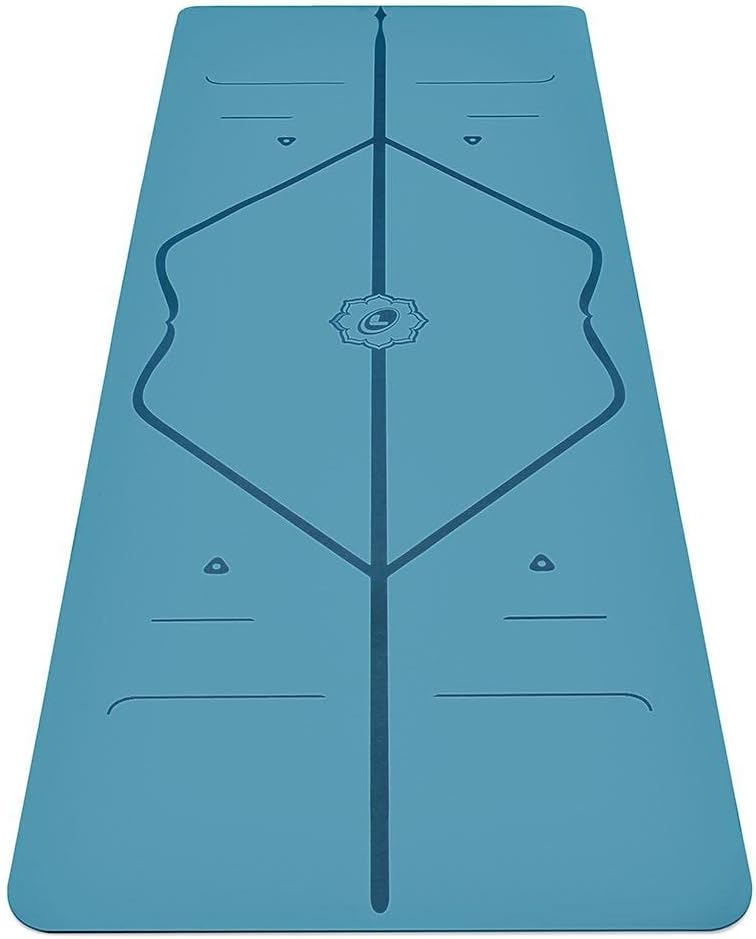


Choosing the Right Yoga Mat for Joint Protection, Stability, and Comfort

Finding the right foundation for your practice can transform your daily movement, protecting vulnerable joints and anchoring every pose with reliable traction. Whether you are holding a steady warrior pose or transitioning through dynamic flows, the surface beneath you dictates your stability, comfort, and confidence.
Understanding Thickness and Density
Thickness is often the first feature practitioners notice, yet density plays an equally critical role in how a surface performs under pressure. Thicker options, such as a 4mm Thick EVA Anti - Slip Yoga & Fitness Mat, offer a balanced cushion that absorbs impact during floor exercises and kneeling postures. Selecting a proper yoga mat ensures your wrists and knees remain cushioned against hard floors without sacrificing the firmness required for standing balance.
Material Composition and Grip Performance
Material choice directly influences grip, durability, and how the surface reacts to moisture over time. Closed-cell and high-density EVA materials resist moisture absorption, making them exceptionally easy to maintain and hygienic for daily use. Enhanced surface textures prevent slipping even as your practice intensifies, providing the traction necessary to hold alignment securely.
Real-World Application in Daily Practice
Consider a practitioner transitioning from gentle morning stretching to a rigorous rehabilitation routine on hardwood floors. Without adequate cushioning, kneeling lunges and forearm planks frequently cause discomfort in the patella and wrist joints. Introducing a supportive, textured surface distributes pressure evenly, allowing the practitioner to focus entirely on breathing and form rather than localized pain.
Key Factors to Evaluate Before Choosing
- Thickness: Look for profiles around 4mm to 6mm that provide optimal joint protection without feeling overly bulky.
- Surface Texture: Prioritize non-slip embossings that maintain traction even when hands or feet warm up.
- Portability: Choose lightweight materials that roll or fold easily for transport to studio classes or outdoor spaces.
- Maintenance: Select water-resistant compositions that wipe clean effortlessly after every session.
Sustaining Your Practice Foundation
Investing time in selecting the correct equipment elevates your physical practice and safeguards your body against repetitive strain injuries. By prioritizing comfort, durability, and anti-slip performance, you create an optimal environment for long-term health and consistent progress.
Sources
LuckeLadybug
News
Why the History of Labor Day Matters for Your Work-Life Balance Today


